Introduction
When many Americans reflect on their school days, memories of lunch often come first: standing in long lines, the clatter of trays, the smell of warm rolls or pizza wafting through crowded cafeterias. Yet school lunches have always been about more than food. They reflect the priorities of a nation, the science of nutrition at a given moment, and society’s beliefs about how best to care for children.
Over the last century, school lunches in the United States have undergone a significant transformation from simple, calorie-dense meals intended to combat hunger to diverse, student-centered dining programs that prioritize wellness, inclusion, and sustainability.
At ICC, we’ve spent decades working alongside schools to design cafeterias that support these changes. Understanding the evolution of school meals helps us anticipate what’s next and design environments that are ready for the future.
The Origins of School Lunch Programs (1940s–1960s)
The modern school lunch program was born out of necessity. In the early 20th century, educators and policymakers recognized a clear link between nutrition and learning. Many children arrived at school hungry, which affected their concentration and academic performance. This awareness led to the passage of the National School Lunch Act in 1946, establishing what is now known as the National School Lunch Program.
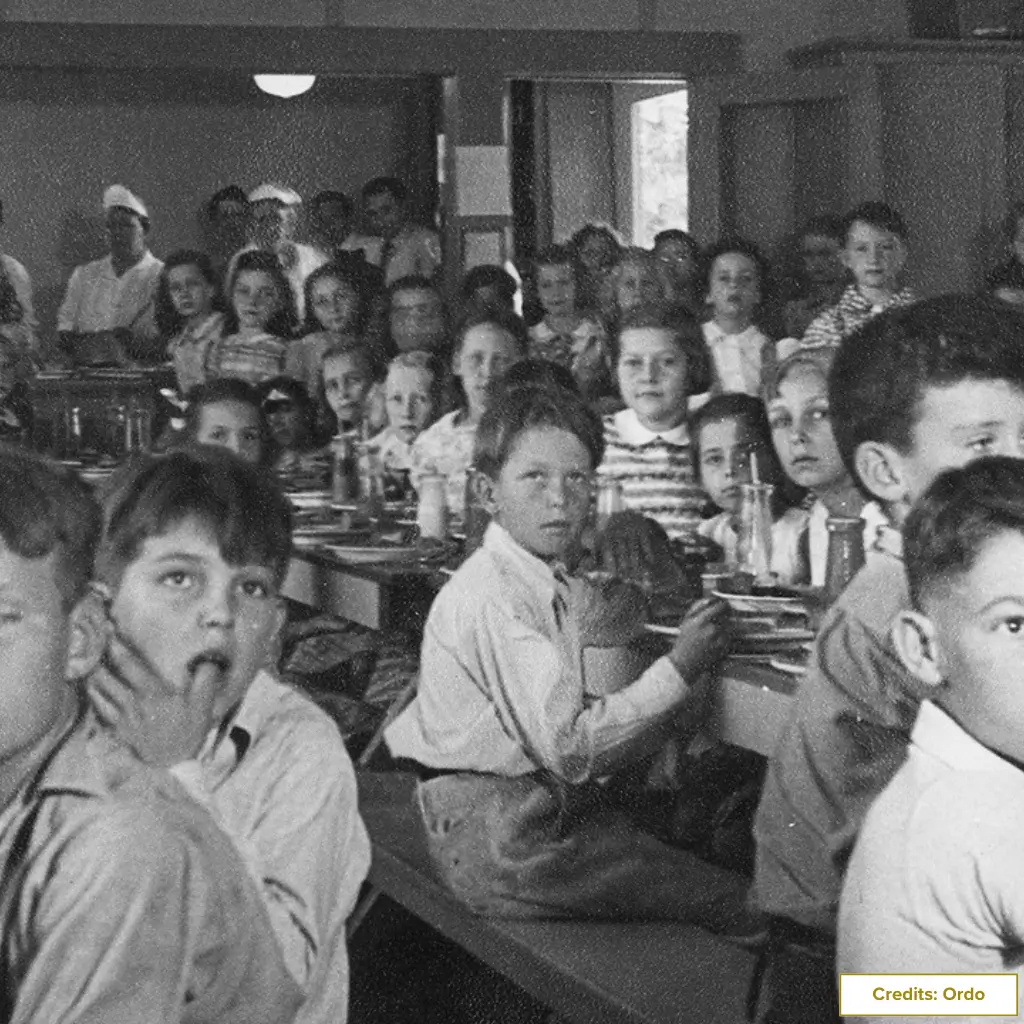
During this era, nearly one-third of American children were considered malnourished. School meals served a dual purpose: to nourish students and stabilize demand for American agricultural products. Meals were prepared on-site, and cafeterias were designed around large-scale cooking and efficient service.
· Lunch Items
Menus were simple, hearty, and familiar: meatloaf, mashed potatoes, boiled vegetables, fresh bread, whole milk, and classic desserts like prune pudding. Protein-rich dishes dominated, underscoring the early emphasis on protein in school meals as a vital source of fuel for growing bodies.
· Cafeteria Experience
Cafeterias themselves were utilitarian spaces. Long tables, fixed seating, and minimal décor emphasized efficiency over comfort. These early layouts laid the groundwork for what we now recognize as 1950s school cafeterias: functional, predictable, and focused on feeding as many students as possible within a limited time.
We view this period as the foundation of school foodservice infrastructure. The operational models developed at that time still influence cafeteria design today.
The Shift Toward Convenience Foods in School Cafeterias (1970s–1980s)
As American society changed, so did school lunches. Rising student enrollment, higher labor costs, and advances in food manufacturing pushed schools toward frozen and pre-packaged foods. Efficiency became the driving force behind menu decisions and the design of the cafeteria.
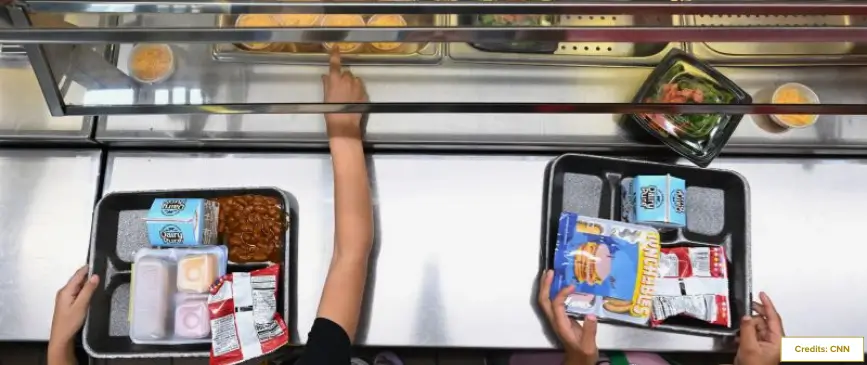
The iconic compartmentalized tray emerged, reinforcing standardized portions and assembly-line service. Schools increasingly relied on reheatable items to manage volume and consistency. By the early 1980s, an estimated 60–70% of school meals included processed components, a trend that would later spark concern over the impacts of ultra-processed food on children’s health.
· Lunch Items
Menus during this era featured chicken nuggets, french fries, fruit in syrup, and pudding cups. In a controversial move, nutritional guidelines were relaxed, allowing items such as ketchup to be counted as vegetables. While some efforts were made to introduce fresh fish and whole grains, convenience often won out.
· Cafeteria Experience
Cafeterias were designed for speed. Traffic flow mattered more than ambiance, and flexibility was limited.
At ICC, we view this period as a reminder that efficiency alone cannot define a successful school dining program. Design must support both operations and the student experience; that is a thoughtful approach to modernizing a school cafeteria.
Fast Food Influence and Cultural Shifts in School Lunches (1990s–2000s)
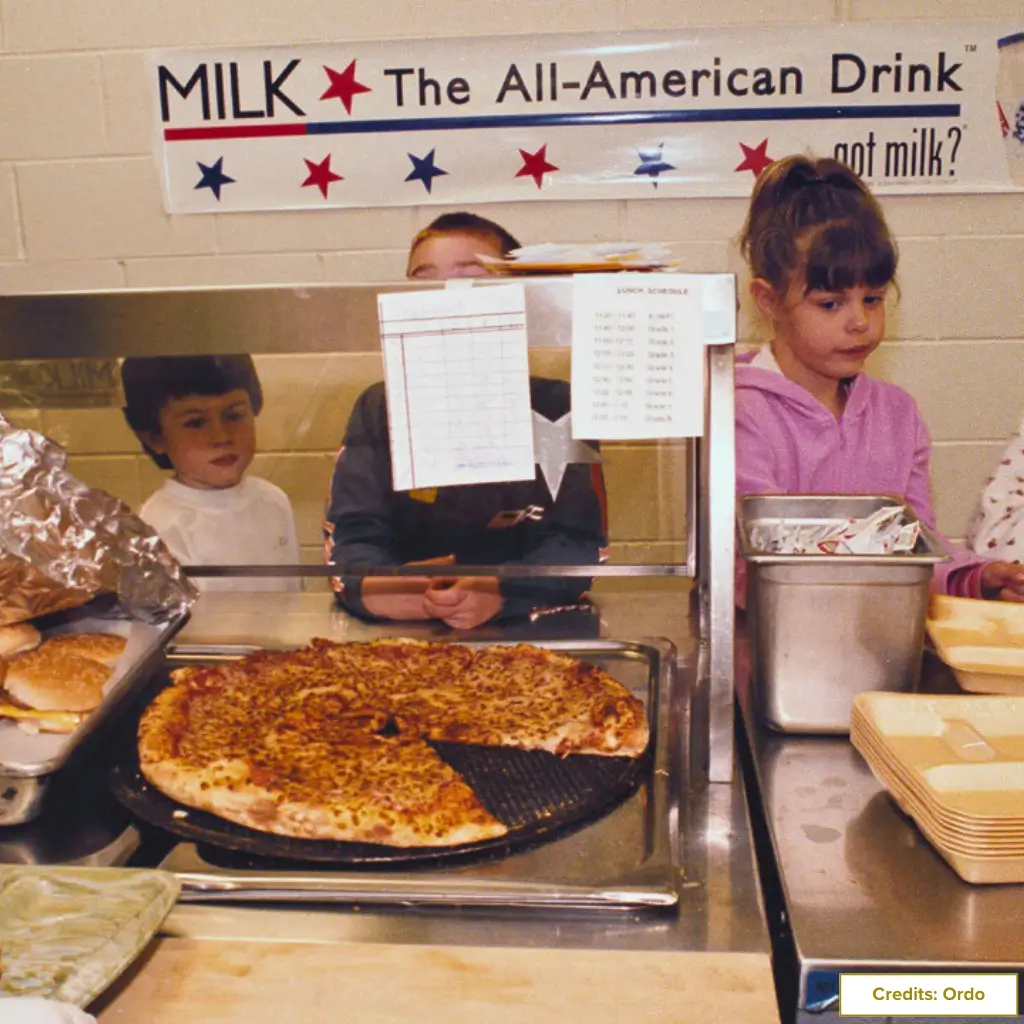
Few decades are as instantly recognizable as the 1990s when it comes to school lunch. Fast food culture swept into cafeterias, reshaping menus and expectations. Pizza became the most popular school lunch item nationwide, while burgers, fries, and sugary drinks became increasingly prevalent in school lunches across the country.
Some schools partnered directly with restaurants, fueling debates around fast food in schools. Vending machines offered soda and candy, and à la carte lines expanded student choice—though often at the expense of nutritional balance.
· Lunch Items
- Cheese or pepperoni pizza
- Chicken nuggets
- French fries
- Sugary flavored milk
- Chick-fil-A® sandwich
- Fries with ketchup
Moreover, the era brought heightened awareness of desserts in school cafeteria offerings, as gummy snacks, cookies, and flavored milks became increasingly commonplace. While participation increased, so did concerns. Between 1980 and 2000, childhood obesity rates more than doubled, prompting nationwide scrutiny of school meals.
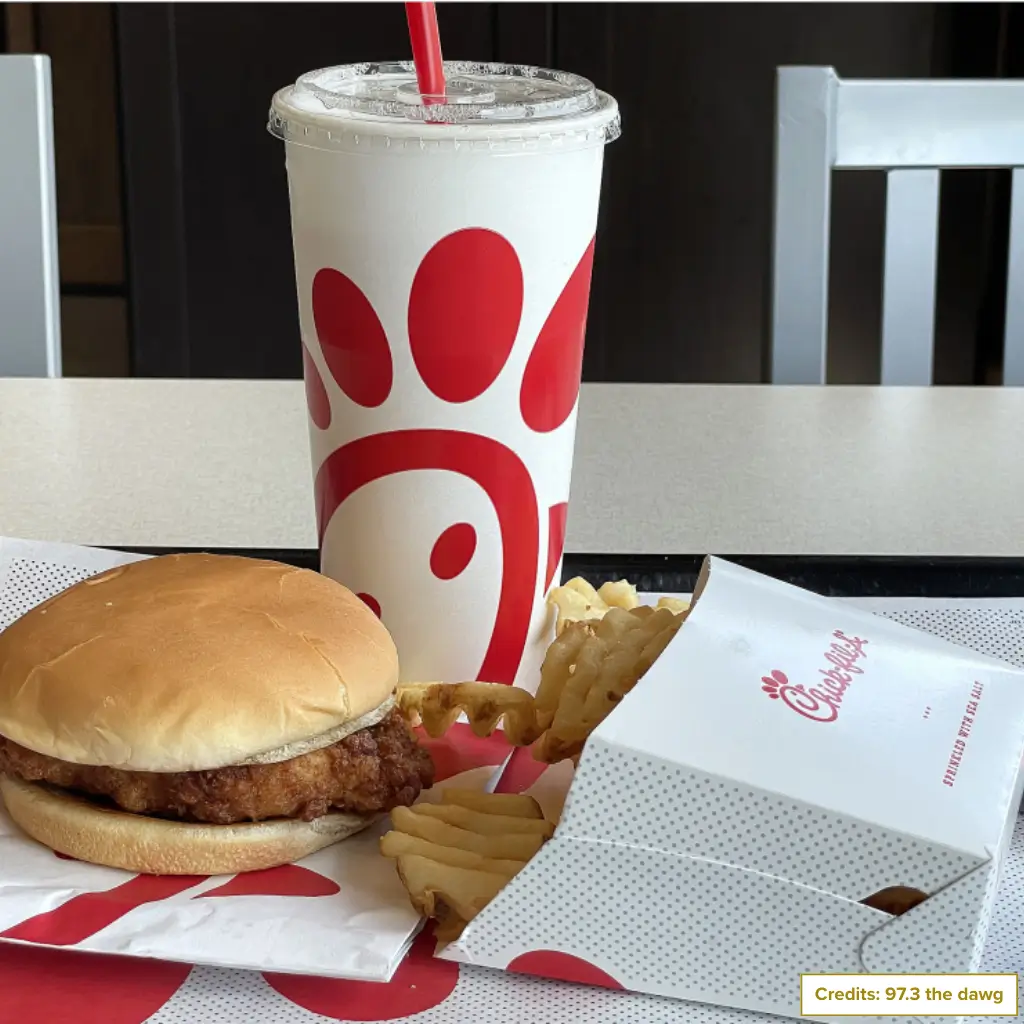
· Cafeteria Experience
Cafeterias began to resemble food courts, featuring branded signage and multiple service lines. The lesson from this period was clear: popularity without planning can have long-term consequences. At ICC, we see this decade as a turning point that reshaped conversations about responsibility, design, and health.
SUGGESTED READER 👉🏼 90s School Cafeterias: A Check Back at Lunch, Laws, and Lasting Changes
Rising Nutrition Awareness and Policy Changes (2010s – Present)
The 2010s marked a turning point for school dining. Updated federal guidelines emphasized whole grains, fresh fruits and vegetables, lean proteins, and reduced sugar and sodium. Schools began reevaluating menus to better promote healthy eating in school environments.
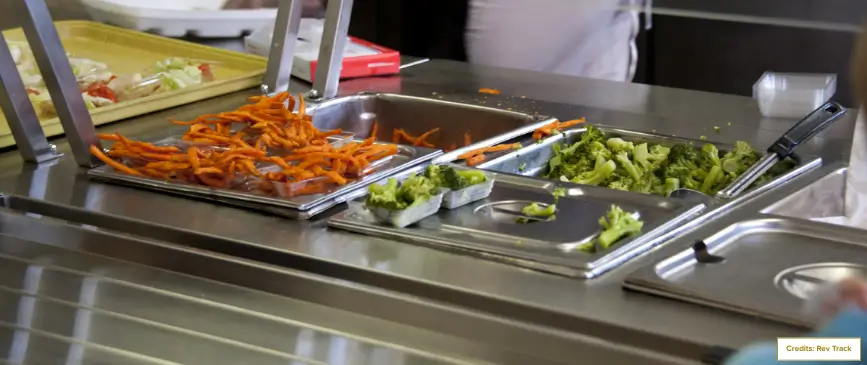
Scratch cooking regained importance, salad bars became common, and menus expanded to include plant-based and allergen-conscious options. Cultural relevance also grew, with schools drawing inspiration from school lunches across the globe to better reflect their student populations.
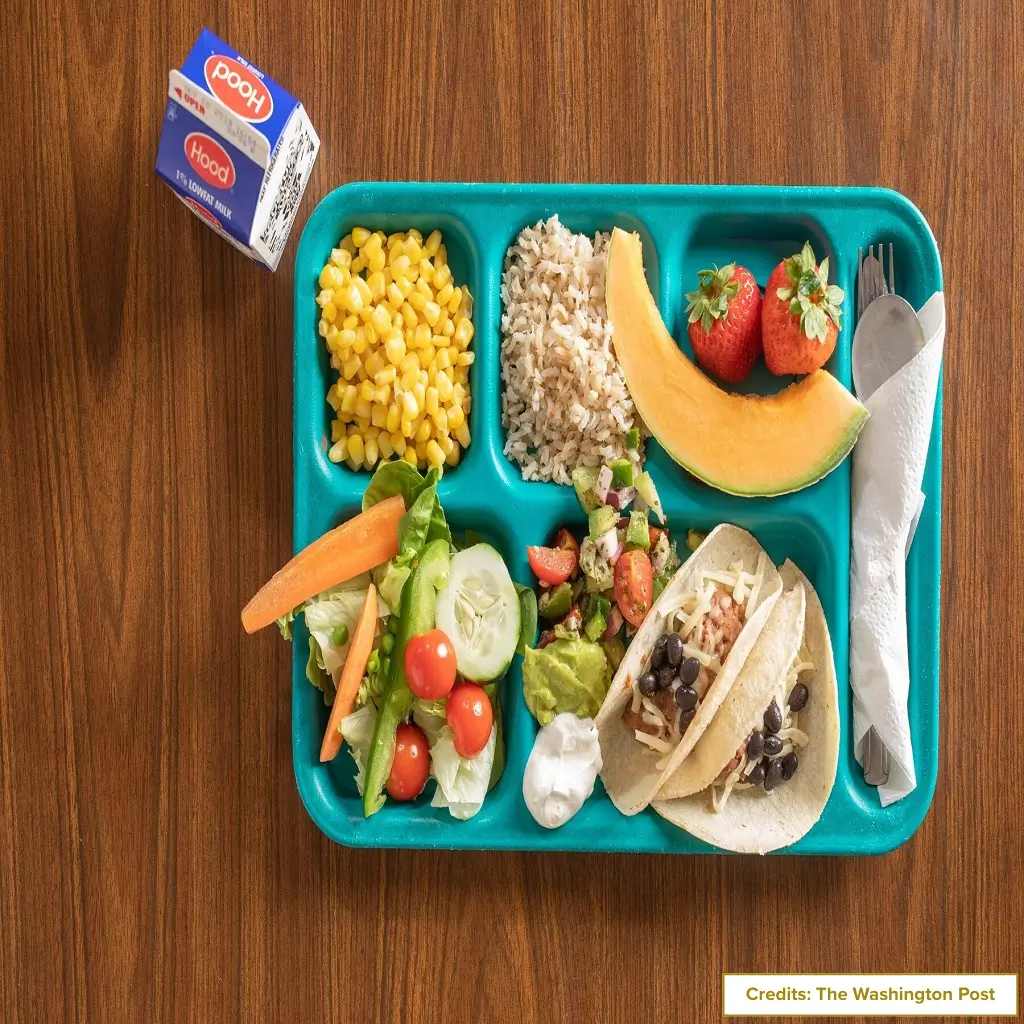
Nutrition planning increasingly relied on resources such as USDA school cafeteria recipes to ensure meals met standards while remaining appealing.
· Modern menus include:
- Whole-grain pasta and bread
- Fresh fruit and vegetable bars
- Scratch-cooked entrées
- Plant-based and allergen-conscious options
- Turkey hot dog
- Roasted summer squash
- Broccoli florets with ranch dressing
- Water or milk
· Cafeteria Experience
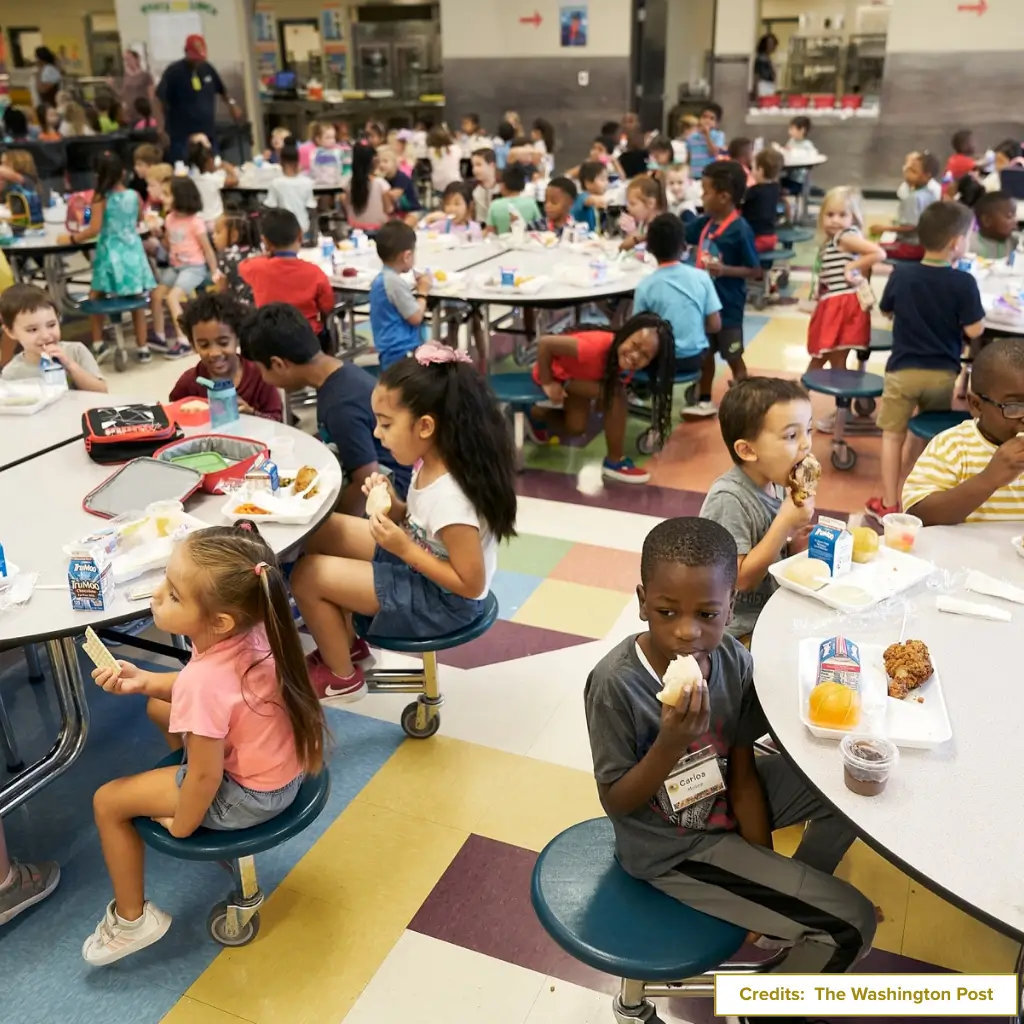
Cafeterias evolved as well. Flexible seating, improved acoustics, and multiple serving stations transformed lunchrooms into welcoming spaces. Thoughtful layouts and furniture selections—including durable school cafeteria table designs support both comfort and efficiency.
Today’s schools serve more than 30 million lunches daily, making school dining a $10 billion industry. ICC helps districts align nutrition goals with operational realities by designing school cafeterias with expert-led expertise that meet modern demands.
SUGGESTED READER 👉🏼 School Cafeteria Classics from the 70s, 80s, and 90s
The Future of School Lunches: Innovation, Inclusion, and Student-Centered Cafeteria Design
The future of school cafeteria lunches is being shaped by a decisive shift in how schools view dining—not as a break from learning, but as an extension of it. Today’s students expect more than a meal; they expect choice, inclusion, and environments that feel welcoming and relevant. School dining programs are responding by embracing innovation that supports both student wellness and operational excellence.
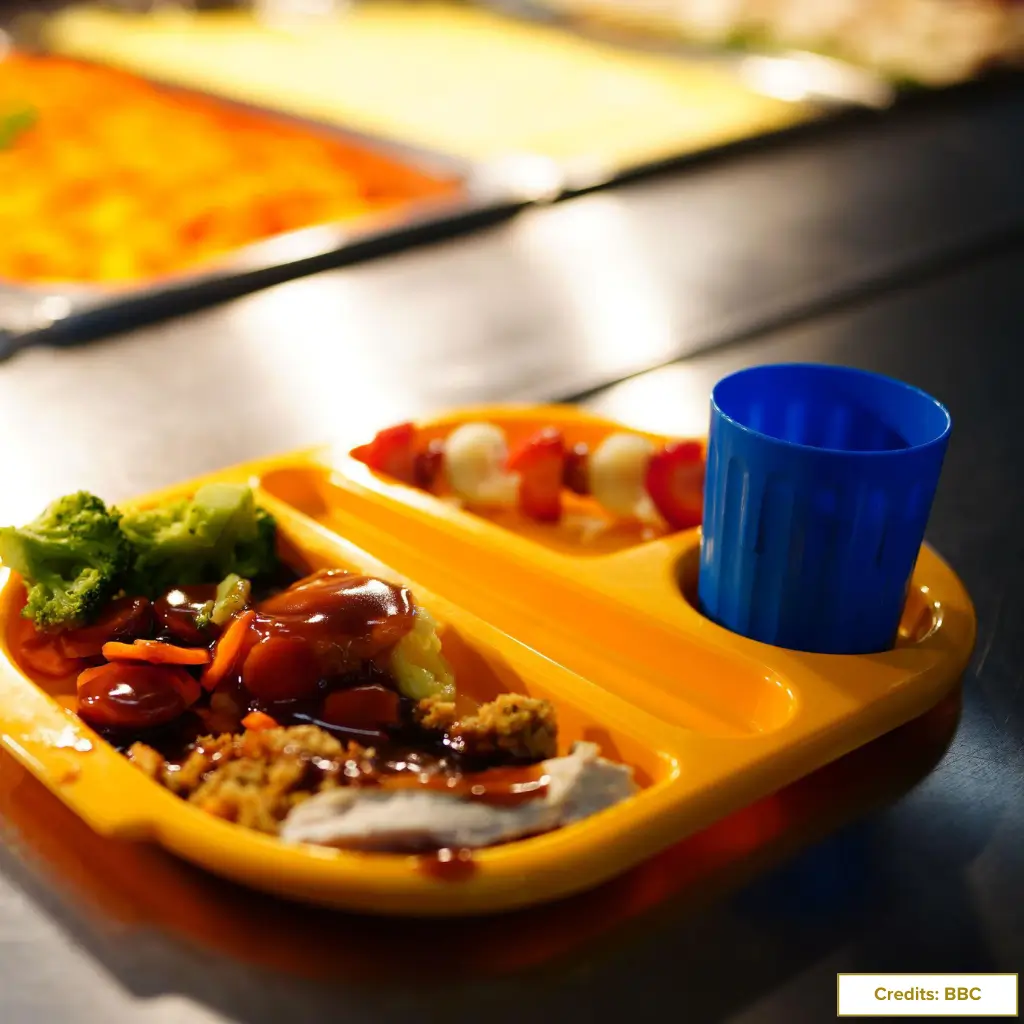
Key trends defining the next generation of school lunches include:
- Globally inspired, culturally relevant menus that reflect diverse student communities
- Plant-forward and allergen-conscious options that prioritize inclusion
- Sustainability initiatives such as composting, waste reduction, and local sourcing
Technology is accelerating this evolution, transforming both the front and back of house. Schools are adopting tools that improve efficiency while aligning with modern expectations:
- Digital menus and mobile ordering platforms
- Cashless payment systems that streamline service
- AI-driven forecasting to reduce food waste and improve planning
At the heart of these advancements is design. At Ingenious Culinary Concepts, we believe the modern school cafeteria is a flexible, student-centered environment that supports evolving menus, enhances staff workflow, and encourages positive social interaction. Our designs bridge the past and the future, helping schools create dining spaces that honor tradition while confidently preparing for what’s next.
School Lunch Eras: Quick Benefits & Drawbacks
| Era | Benefits | Drawbacks |
| 1940s–1960s | Basic nutrition, fresh on-site meals | Limited variety, rigid layouts |
| 1970s–1980s | Fast, consistent service | Processed foods, less healthy |
| 1990s–2000s | More choice, popular foods | High sugar/fat, obesity concerns |
| 2010s–Present | Healthier, diverse, student input | Higher cost, complex prep |
| Future | Tech-enabled, sustainable, student-centered | Implementation cost, ongoing adaptation |
Conclusion: Lessons from the Past, Vision for Tomorrow
School lunches have traveled a remarkable path—from milk and meatloaf to globally inspired, plant-forward menus. Each era has left behind lessons that have shaped how schools think about nutrition, space, and student well-being.
Today, decision-makers are seeking the best lunch menu options for a school cafeteria that balance health, cost, and student preference. ICC’s approach bridges history and innovation, honoring the past while designing for what’s next.
By understanding the origins of school lunches and their evolution, schools can make more informed and strategic choices. When cafeterias evolve thoughtfully, students don’t just eat better—they thrive.
At ICC, we’re proud to help shape that future.
FAQs
Why were school lunch programs created?
To prevent hunger, improve child nutrition, and support American farmers after World War II.
When did processed foods become common in school lunches?
Primarily during the 1970s and 1980s, due to convenience, cost control, and changing lifestyles.
Why did nutrition standards change in the 2010s?
Rising health concerns and research on childhood nutrition led to stricter USDA guidelines.
How is cafeteria design changing today?
Modern cafeterias focus on flexibility, efficiency, student engagement, and sustainability—areas where ICC provides expertise.