
Introduction
What happens when a child steps into the cafeteria hungry, but their lunch account is empty?
For thousands of students across the country, this scenario plays out every single day, quietly, routinely, and often invisibly. Student lunch debt has become an emotional and financial fault line in schools, affecting not only the children who rely on school meals but also the families trying to keep up and the districts struggling to balance compassion with operational realities.
Many families are still recovering from rising food prices, job instability, and the end of pandemic-era universal free meals. Meanwhile, schools are absorbing the tension between escalating costs and the fundamental truth that no child learns well on an empty stomach.
LUNCH DEBT, THEN, ISN’T JUST AN ACCOUNTING ISSUE, IT’S A DEEPLY HUMAN ONE.
It reflects the stories of parents juggling bills, cafeteria teams doing their best with limited tools, and students who want to enjoy lunch without shame or anxiety.
This guide is designed to bridge that gap. You’ll find practical strategies, policy considerations, and compassionate solutions grounded in real-world challenges. And woven throughout is our belief that school cafeterias should be inclusive and dignified spaces where every child is nourished, not just fed, and where human needs and operational systems work hand in hand.

What is Student Lunch Debt
Student lunch debt builds when children receive meals without sufficient funds in their accounts. Most schools allow students to charge meals rather than turn them away, but unpaid charges accumulate quickly, especially as lunch prices reach $4–$5, nearly double the cost they were a decade ago.
Rigid eligibility thresholds compound the complexity of the issue. In the 2022–2023 school year:
- A family of four qualified for free lunch only if its income was $36,075 or lower.
- The reduced-price threshold is capped at $51,338, despite rising living costs.
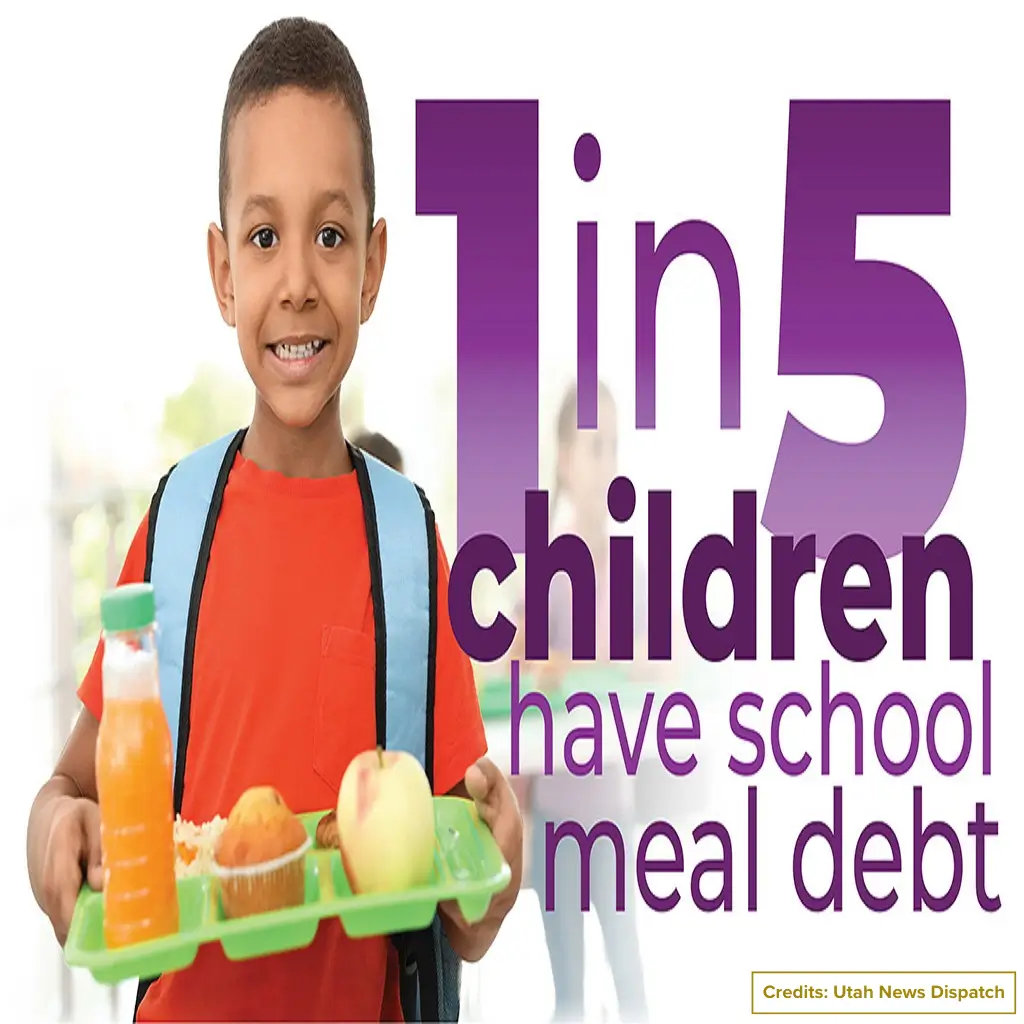
This leaves thousands of “near-poverty” households who earn too much to qualify but too little to afford meals, slipping into debt. Approximately one in five food-insecure students falls into this gap.
Lunch debt is therefore not merely an accounting challenge; it reflects economic hardship, administrative gaps, and the reality that hunger does not adhere to the boundaries of federal paperwork.
Why Lunch Debt Happens: A Closer Look
Lunch debt is rarely the result of a single factor. Instead, it emerges from an intersection of financial pressures, administrative gaps, family challenges, and cafeteria systems.
1. Economic Hardship and Inflation
The end of universal pandemic-era meals coincided with a steep rise in grocery and cafeteria food costs. Some parents are unaware that the federal waiver ended; others cannot afford meals again.
2. Charge-Until-Paid Policies
Districts typically allow students to charge meals up to a limit. Debt accrues silently, and families may not realize the balance is growing until a notice arrives.
3. Eligibility Confusion
Paperwork delays, language barriers, and missed deadlines can result in short-term costs that accumulate into long-term debt.
4. Administrative Hurdles
Mismatched accounts, incorrect student codes, or processing delays can inadvertently lead to incorrect charges.
5. Family Instability
Job loss, medical bills, or unexpected expenses can push a family from “stable” to struggling in a matter of weeks.
6. Older Student Purchasing Patterns
High school students frequently purchase à la carte items not covered by meal assistance, such as drinks, snacks, and second portions, which can create debt even for eligible students.
7. Food Insecurity and Time Constraints
Busy caregivers, limited kitchen access, or a lack of ingredients can make packing a lunch inconsistent or unrealistic.
8. Stigma and Peer Influence
Students, especially older ones, may choose to opt for school meals to avoid stigma, fit in with their friends, or because home lunches feel socially uncomfortable.
These factors show that lunch debt is rarely the result of a single decision; it is an ecosystem of pressures on students, families, and schools.
Effects of Lunch Debt on Student Well-Being and School
1. Emotional Harm and Shame
Children may feel singled out when balances are mentioned publicly or when they are served alternative meals. This affects confidence, mental health, and their sense of belonging.
2. Hunger and Academic Decline
Hunger is a quiet but powerful barrier to learning. Students who miss meals due to financial debt exhibit lower concentration, lower test scores, more behavioral challenges, and higher absenteeism rates.
3. Financial Strain on Families
Debt notices, especially those that are stern or urgent, can instill fear and guilt in parents already struggling to juggle housing, utilities, and medical bills.
4. School Budget Pressures
Nutrition programs often operate like small businesses. Growing debt forces districts to dip into their general funds, affecting staffing, resources, and the ability to improve school cafeteria food in the long term.
5. Administrative Burden
Staff spend hours managing accounts, making calls home, and repairing errors, time that could be invested in nutrition support or food safety training.
6. Damage to School Climate
Lunch-shaming incidents have led to viral media coverage, community backlash, and a loss of trust between families and schools. A respectful approach is not only ethical, but it also protects the school’s relationship with its community.

Legal and Policy Considerations for Schools
Schools must comply with federal, state, and district-level regulations when addressing unpaid meals. Key requirements include:
1. Federal Standards
The USDA requires districts to maintain clear, written meal-charge policies, protect confidential eligibility information, and avoid stigmatizing practices (e.g., withholding meals). These rules uphold the integrity of the National School Lunch Program, ensuring equal access for all students.
2. State Protection
Several states now have anti-lunch-shaming laws forbidding:
- Serving inferior “alternative meals”
- Publicly identifying students with debt
- Throwing away a child’s meal
- Requiring chores to “pay off” balances
Because legislation varies significantly across states, district leaders must stay up-to-date on evolving requirements.
3. District Responsibilities
Districts must define:
- Charging limits
- Communications timelines
- Collections procedures
- Debt-forgiveness options
- Availability of multilingual communications
A policy is only as effective as its clarity.
4. Staff Training
Everyone, from cashiers to school cafeteria workers to administrative assistants, must understand confidentiality rules, debt procedures, and standards of student dignity and respect.
5. Ethical and Operational Data
Evidence consistently shows that punitive practices decrease participation and worsen stigma. Policies grounded in dignity produce better educational and nutritional outcomes.

Designing a Fair and Compassionate Meal Policy
A firm, humane meal policy benefits both students and schools. Core elements include:
1. Students Always Receive a Meal
No child should be denied food. This priority reduces stigma, supports brain function, and upholds a healthy, positive school culture.
2. Confidential, Parent-Focused Communication
Families, not students, should receive balance alerts, ideally through discreet platforms like email, portals, or sealed letters.
3. Multilingual, Accessible Resources
Application forms and meal-account portals must be easy to navigate and available in multiple languages.
4. Flexible Debt Management
Payment plans, small-balance forgiveness, and reasonable thresholds support families without undermining program sustainability.
5. Support for Eligibility Applications
Schools should provide in-person assistance, online guidance, and multilingual workshops to help families navigate federal meal programs.
6. Ensuring Staff Preparedness
Employees need training not only in procedures, but also in empathy. A gentle tone at the checkout line changes everything.
Strategies to Prevent Lunch Debt
Below are the recommended practical and compassionate steps to prevent and reduce lunch debt.
1. Proactive Enrollment
Utilize direct certification from state assistance programs to enroll eligible families automatically.
2. Universal Communication
Clear reminders in back-to-school packets, on social media, in newsletters, and through parent notifications about nutritional education nights help enhance awareness.
3. Compassionate Policies
Ban shaming practices, offer payment plans, and avoid debt collection agencies. Collections often create more harm than they generate in revenue.
4. Improve POS Systems
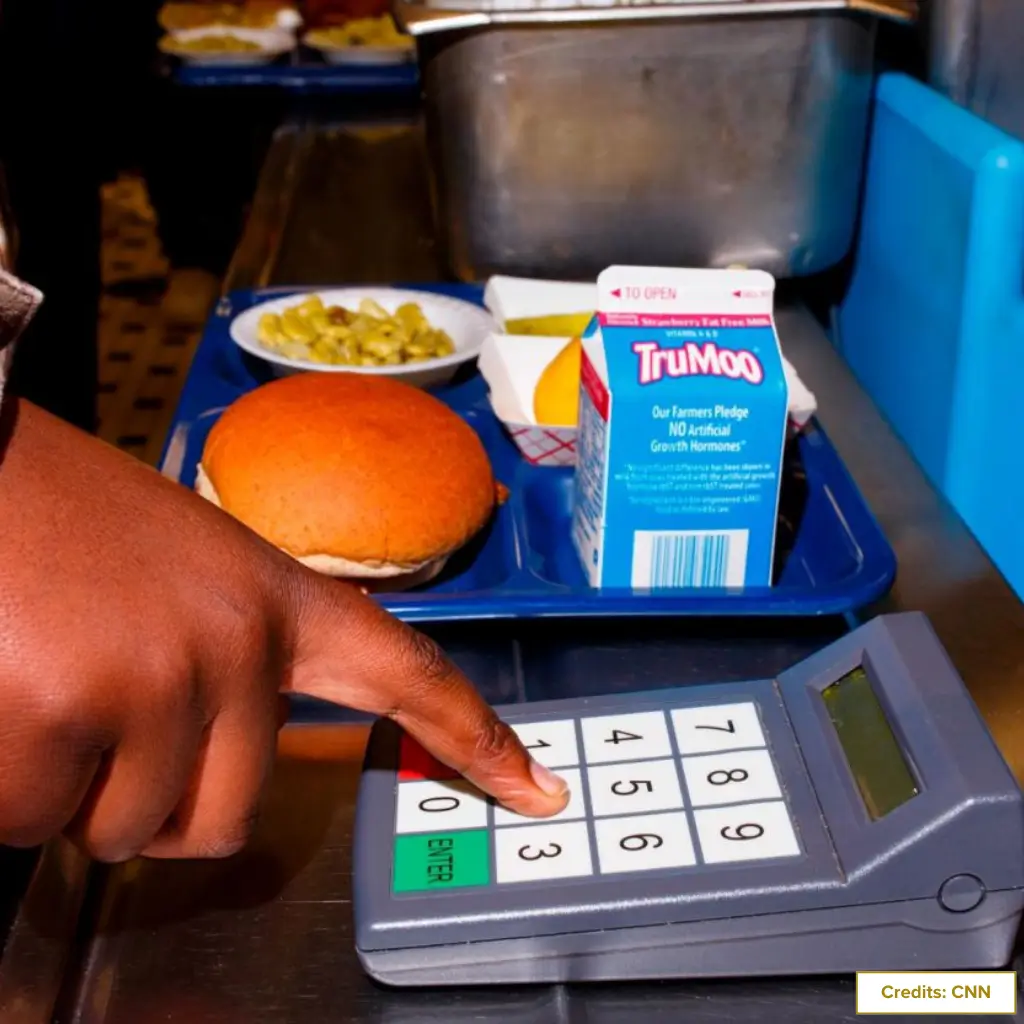
Modern checkout systems can send real-time alerts, reduce errors, and help manage a cafeteria more efficiently.
5. Build Emergency Meal Funds
Partner with PTAs, local nonprofits, or donors to support your initiatives. Community generosity often flourishes when people understand the need.
6. CEP Participation
The Community Eligibility Provision (CEP) allows schools with high poverty rates to offer free meals to all students. Benefits include:
- Dramatically reduced debt
- Higher participation
- Less stigma
- Simplified administration
Where feasible, CEP is one of the strongest tools available.
7. Partnerships and Community Support
Local food banks, philanthropies, alum groups, and civic organizations can help cover balances or support outreach efforts.
8. Expand Breakfast Access
A well-run cafeteria breakfast program ensures students start the day nourished, reducing mid-day food insecurity and lunch purchasing pressure.
9. Address Stigma and Climate
Educators trained in empathy and behaviour management can help ensure lunch debt never becomes a source of shame.
How ICC Supports Schools in Addressing Lunch Debt
At Ingenious Culinary Concepts, we partner with schools to develop cafeteria systems that are not only efficient but also human-centered. Our approach integrates design, training, and operational support:
1. Designing Cafeteria Systems that Reduce Stigma
From traffic flow to signage to lunch menu options, our team ensures cafeterias feel welcoming and equitable.
2. Streamlined Technology and Operations
We help schools organize school cafeterias using modern POS systems, clearer communications, and operational tools that reduce administrative friction.
3. Building a Student-First Culture
Through training, staff development, and nutrition-focused engagement, ICC promotes school values centered on dignity and access.
4. Supporting Sustainability
Our experts help align operations with federal grants, community partnerships, and long-term budget planning, which is crucial for Sustainability in both public and private school cafeterias.
5. Enhancing Food Quality and Safety
Our guidance supports the development of improved menus, enhanced school cafeteria food safety practices, and practical strategies that maintain manageable costs.
When lunchtime is grounded in dignity, efficiency, and inclusion, students thrive.
Conclusion: Moving Toward Long-Term Solutions
Student lunch debt will not disappear overnight, but schools can make meaningful progress by rethinking how meals are delivered, funded, and communicated. Compassionate policies, clear communication, flexible payment supports, and inclusive cafeteria design create environments where students are fed, respected, and ready to learn.
As districts work to balance cafeteria budgets with student well-being, the guiding question must remain: How do we ensure that every child eats with dignity and respect?
ICC stands ready to support districts in building cafeterias that nourish not only students’ bodies, but their sense of belonging. Contact us today to create a student-centered meal program where no child goes hungry and every child feels valued.
FAQs
Can students be denied lunch due to debt?
Federal guidelines discourage denying meals; schools should provide alternatives without embarrassment.
How can schools prevent lunch debt from accumulating?
Implement prepayment systems, low-balance alerts, and clear communication with families to ensure transparency and accountability.
How often should schools review lunch debt policies?
Annually, to ensure compliance with regulations and to improve communication and prevention strategies.