Introduction
School cafeterias play a much larger role in student well-being than many people realize. For millions of students, the cafeteria is where daily food decisions are made, preferences are shaped, and lifelong habits begin to form. Whether students are participating in federally supported school lunches or eating in thoughtfully designed private school lunchrooms, the cafeteria environment influences not only what students eat today, but how they think about food for years to come.
Nutrition standards, menu planning, and policies, such as the National School Lunch Program, provide a critical foundation for serving healthy meals. However, food availability alone does not guarantee healthy choices. The physical environment, social cues, and emotional experiences surrounding meals all play a decisive role in shaping student behavior.
This is where cafeteria reward programs come in. When designed intentionally, reward programs encourage students to choose healthier options through positive reinforcement rather than restriction or pressure.
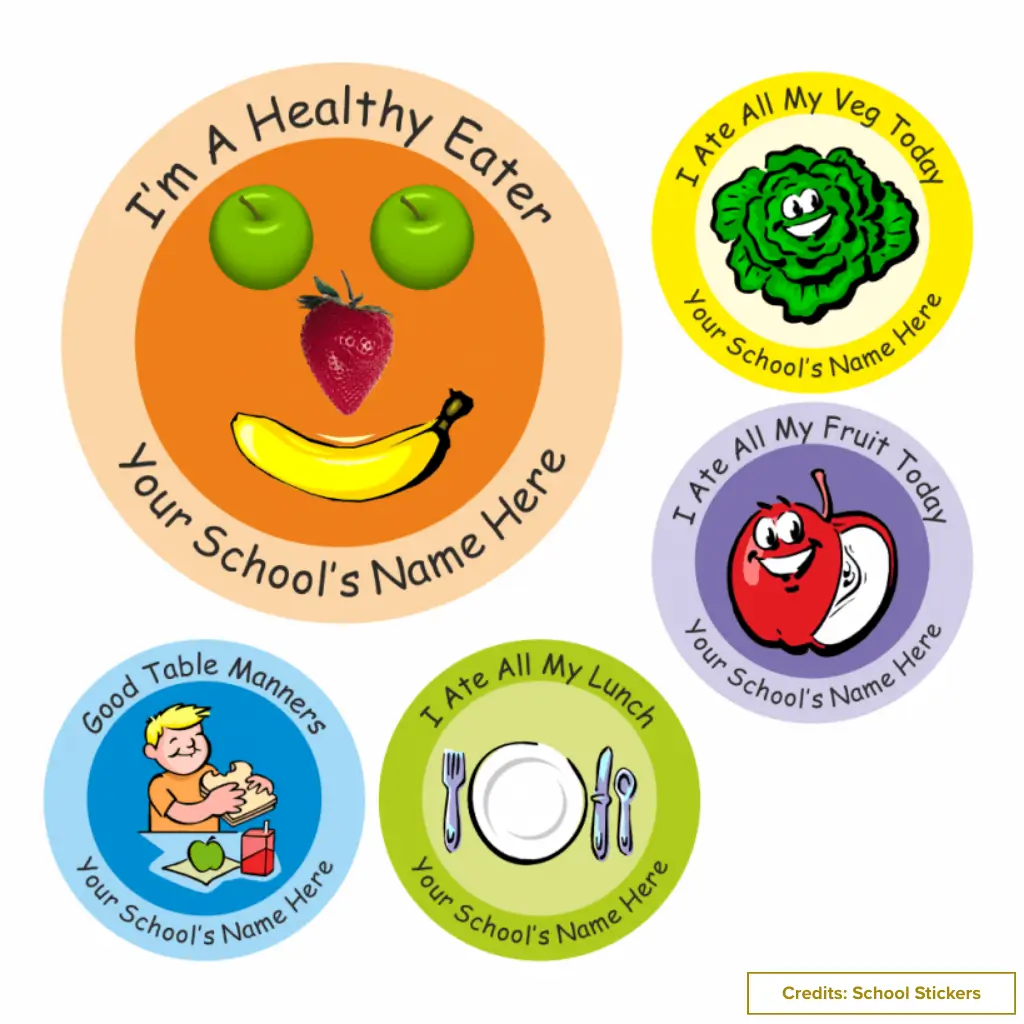
Having been involved in cafeteria renovations for a long time, we believe meaningful change occurs when behavioral science, engagement, and design work together. This guide is designed to help schools understand how cafeteria reward programs work, why they are effective, and how thoughtful cafeteria design can amplify their impact, helping schools promote healthy eating in school while strengthening community and connection.
What Are School Cafeteria Reward Programs?
Recognition and rewards are already a familiar part of school life. From classroom incentives to school-wide celebrations, students are accustomed to being acknowledged for positive behaviors. Cafeteria reward programs extend that same encouragement into the lunchroom—one of the most influential learning environments in a student’s day.
School cafeteria reward programs are structured systems that motivate students to make healthier food choices through positive reinforcement. Rather than penalizing unhealthy choices or emphasizing restrictions, these programs recognize and celebrate healthy behaviors as they happen.
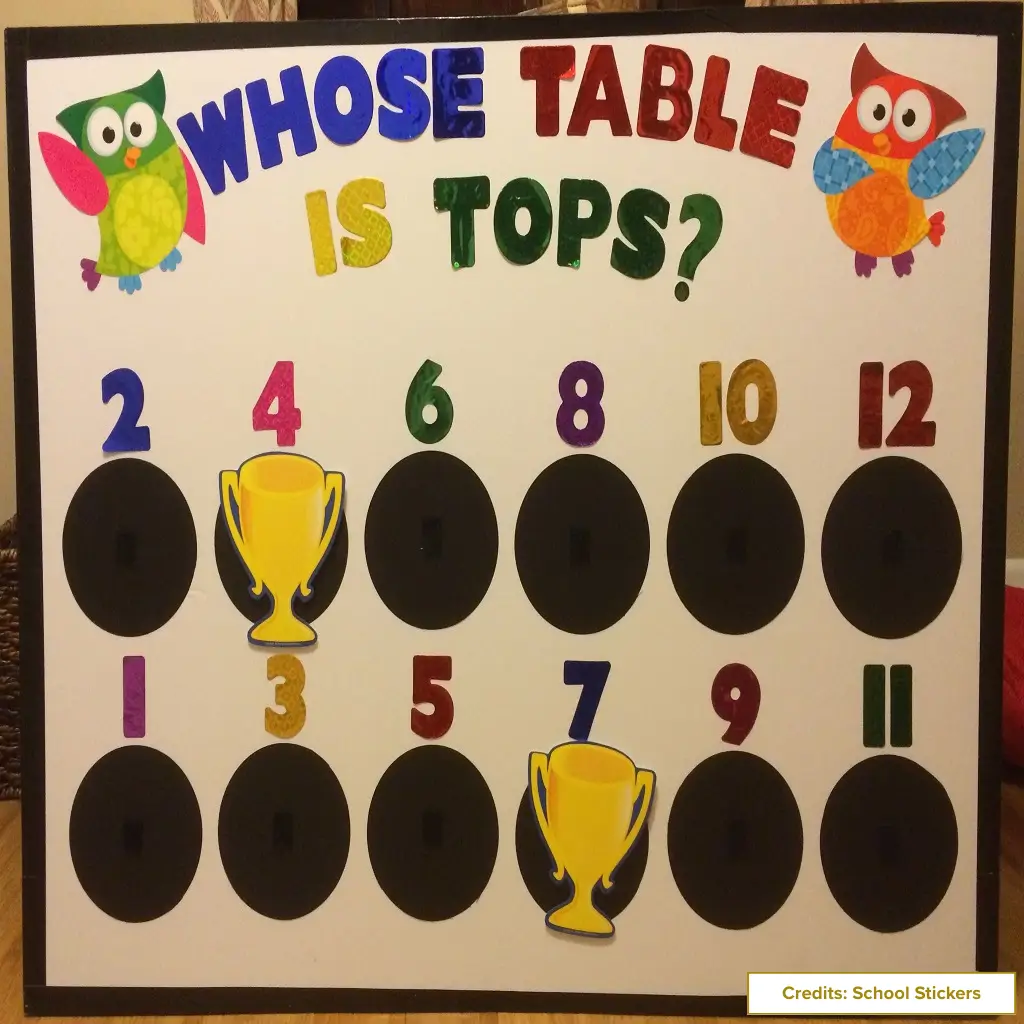
Significantly, reward programs shift the narrative away from avoidance and toward opportunity. When students are praised for choosing fruits, vegetables, whole grains, or balanced meals, healthy eating becomes something they want to do, not something they feel obligated to do.
Reward programs can take many forms, including:
- Point, punch card, or token systems tied to healthy selections
- Verbal or visual recognition for participation
- Classroom, grade-level, or school-wide challenges
- Student-driven rewards and feedback opportunities
When thoughtfully implemented, these programs feel like a natural extension of daily cafeteria routines. They align with existing cafeteria rules, support nutrition education goals, and reinforce consistent messaging across classrooms and common areas.
Why and How Reward Programs Promote Healthy Eating in Schools
Food choices at school send powerful messages. Items offered outside standard meals often referred to as competitive foods can reinforce or undermine healthy eating efforts. When schools provide consistent access to nutritious options and reinforce them positively, students are far more likely to develop lasting healthy habits.
Reward programs are effective because they align with how students naturally learn and form routines. At their core, these programs rely on positive reinforcement of behavior. When a healthy behavior is followed by recognition or reward, that behavior becomes more likely to repeat.
Students across age groups respond to different forms of motivation:
- Younger students, particularly those in elementary school, are motivated by visible progress, group rewards, and positive attention.
- Older students are often influenced by autonomy, peer norms, and opportunities to participate in decision-making.
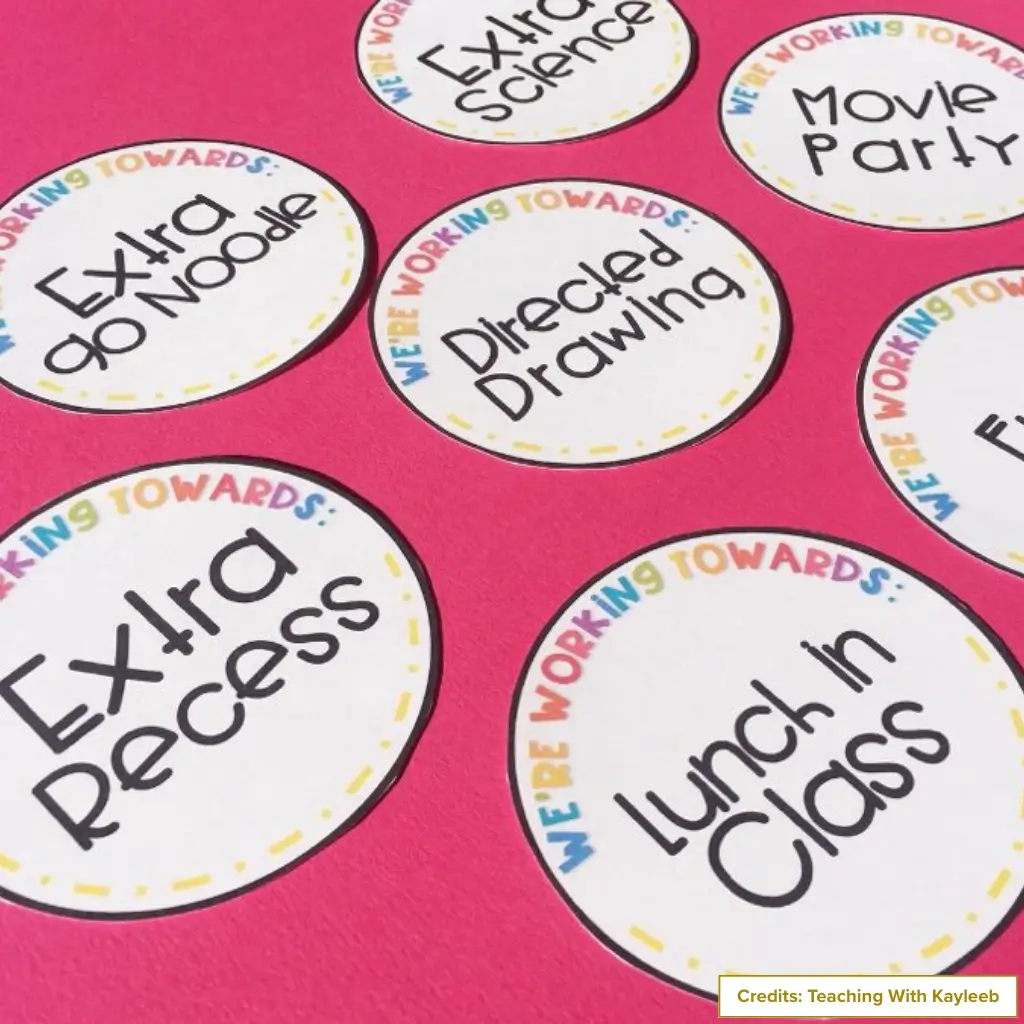
Another reason reward programs succeed is that they reduce resistance. Nutrition, when framed as a set of rules, can feel limiting. Nutrition framed as an opportunity for recognition and choice encourages curiosity and confidence especially when introducing new foods or increasing protein in school meals.
At ICC, we focus on engagement-driven solutions that combine behavioral insight with thoughtful design. When reward programs are paired with intuitive layouts and visual cues, healthy choices feel easy and supported. This approach reflects the goals of school cafeteria modernization and prepares schools for the evolving future of school cafeterias.
Designing Reward Programs That Encourage Healthy Choices
An effective reward program starts with clarity and simplicity. Students should immediately understand what behaviors are encouraged and how participation fits into their daily lunch experience.
We view reward program design as a flexible, student-centered process. Below are six foundational steps we recommend.
1. Define the healthy behaviors to reinforce
Start by clearly identifying the behaviors you want to encourage. These might include choosing fruits or vegetables, selecting a complete reimbursable meal, or trying menu items based on USDA school cafeteria recipes.
Focusing on one or two behaviors at a time helps students feel successful and prevents confusion. Clear goals also help staff consistently reinforce the program.
2. Align rewards with student age and motivation.
What motivates a kindergartener will differ from what motivates a high school student. Age-appropriate rewards such as classroom recognition for younger students or social incentives for older students ensure programs feel supportive rather than forced.
3. Integrate the program into the cafeteria flow.
Reward programs must fit seamlessly into daily operations. Efficient layouts, clear serving lines, and thoughtful traffic flow help schools organize their school cafeteria so rewards can be delivered without slowing service.
4. Use design to reinforce the reward message.
Design acts as a silent guide. Strategic food placement, signage, and color cues reinforce healthy behaviors at the moment choices are made reducing the need for verbal reminders.

5. Build in student engagement opportunities.
Programs are stronger when students feel heard. Tools like a cafeteria survey allow students to provide feedback on rewards, menus, and experiences, increasing ownership and buy-in.
6. Plan for long-term habit formation
Rewards are most effective when they evolve over time. Tangible incentives may be helpful initially, but over time programs should shift toward recognition, routine, and intrinsic motivation, supporting the development of sustainable habits.
Practical Reward Program Ideas Schools Can Implement
Many of the most effective reward programs are simple, adaptable, and easy to maintain. Below are expanded ideas our experts often recommend, with flexibility for different school settings.
1. Healthy choice punch cards
Students earn stamps each time they select a designated healthy item. Over time, completed cards lead to recognition, privileges, or group celebrations. This approach reinforces consistency and routine.
2. Classroom or grade-level challenges
Classes work together toward shared goals, such as reaching a certain number of healthy selections. Team-based challenges encourage cooperation and create positive peer norms.
3. Try-it rewards for new foods
Students receive recognition simply for tasting new items regardless of preference. This reduces anxiety and increases exposure, building acceptance over time.
4. Healthy choice of the day
Highlighting one item per day simplifies messaging and draws attention to nutritious options without overwhelming students.

5. Visual progress boards
Displays school-wide progress tracking, reinforcing shared responsibility and excitement. These visuals also support the goal of reducing food waste in schools by encouraging thoughtful selection.
6. Student-selected rewards
Inviting students to vote on incentives increases relevance and engagement across age groups.
7. Cafeteria passport programs
Students earn stamps for choosing a variety of healthy foods, reinforcing balance rather than repetition.
8. Digital or app-based tracking
Older students benefit from technology-based systems that align with daily habits and streamline program management.
9. Taste test voting programs
Students sample new menu items and vote on favorites, increasing trust and long-term acceptance.
10. School-wide wellness celebrations
Milestones are celebrated collectively, strengthening community and helping build a positive school culture.
Many of these approaches also support sustainability goals, contributing to initiatives such as a zero-waste school cafeteria.
Best Practices for Healthy Cafeteria Reward Programs
Successful programs share several best practices:
- Keep programs inclusive and encouraging
- Focus on participation, not perfection
- Avoid food-based rewards
- Ensure equity and accessibility
- Integrate programs into daily routines
- Refresh visuals and messaging regularly
- Use design as behavioral support
- Gather ongoing student feedback
- Plan for gradual independence
Programs that evolve with student needs while maintaining consistent messaging are more likely to succeed long term.
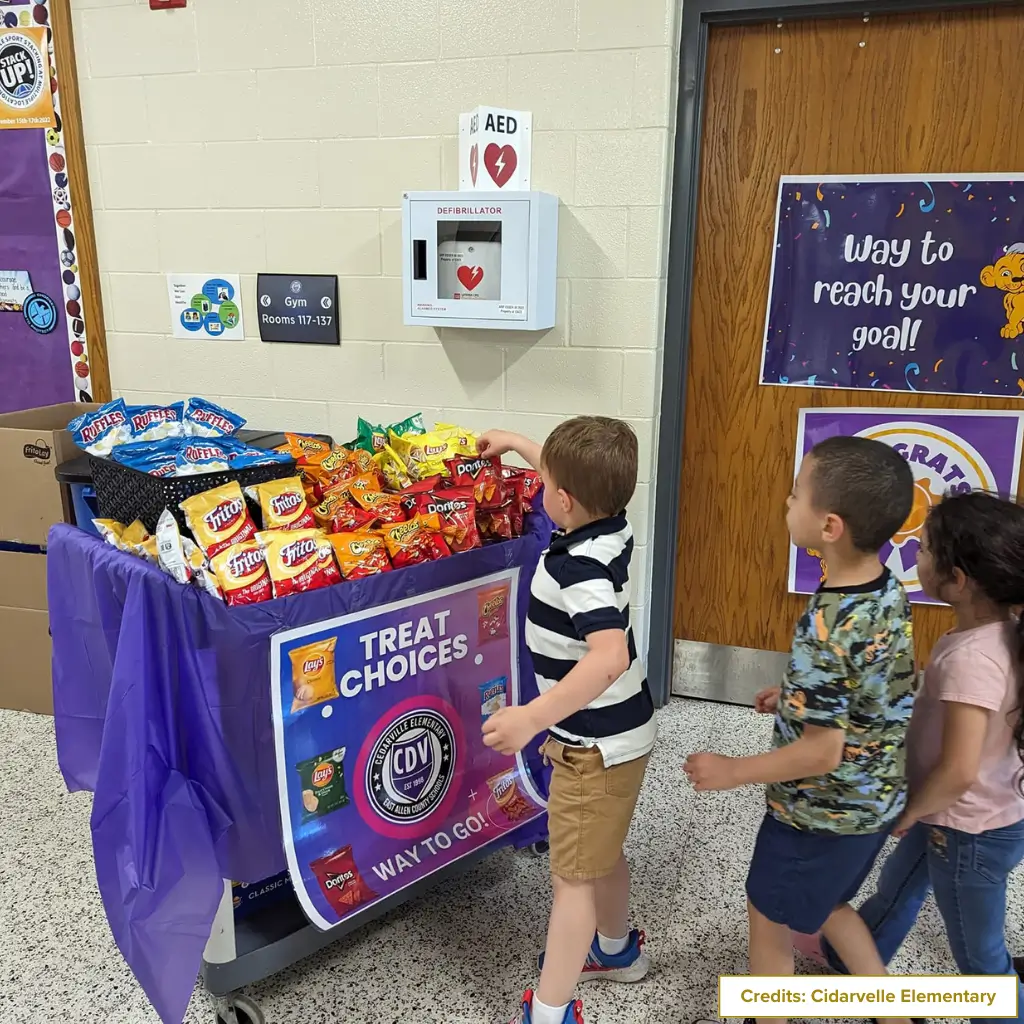
ICC’s Approach to Designing Cafeterias That Influence Healthy Eating
At Ingenious Culinary Concepts, cafeteria reward programs are never standalone initiatives. They are part of a larger ecosystem that shapes student behavior through design, engagement, and choice architecture.
We design cafeterias that feature healthy options, making them visible, accessible, and appealing. Strategic placement, lighting, and layout support reward programs at the exact moment decisions are made—making more nutritious school lunches feel intuitive rather than instructional.
Beyond the serving line, we emphasize engagement. Taste tests, feedback sessions, and interactive displays invite students to become active participants in their food experience. These strategies reduce reliance on ultra-processed food and support long-term nutrition goals.
By aligning reward programs with intentional design, we help schools cultivate positive food cultures that support healthy behavior every day.
Conclusion
In essence schools are one of the most powerful environments for shaping lifelong nutrition habits. While standards and policies matter, healthy eating behaviors develop through repeated experiences, encouragement, and environments that make better choices easy.
Cafeteria reward programs provide schools with a practical and positive way to influence student behavior. When combined with thoughtful design and student engagement, these programs help students transition from making individual choices to forming lasting habits.
FAQs
Are cafeteria reward programs sustainable long-term?
Programs are sustainable when rewards are low-cost and behavior-focused. As habits form, incentives can be gradually reduced without losing their impact.
Can cafeteria reward programs support nutrition education?
Yes, they complement classroom lessons by reinforcing nutrition concepts through real-life choices. This connection helps students apply what they learn.
At what age are reward programs most effective?
Reward programs are effective across all school levels, but have a particularly significant impact in elementary schools.