Introduction
Getting children to eat well is something parents and schools alike struggle with. In school cafeterias, the challenge is visible every day. Students are skipping vegetables, sticking to one familiar food, or avoiding meals altogether. Picky eating is not a fringe issue; it directly affects participation in school lunches, nutrition outcomes, food waste, and the overall cafeteria experience.
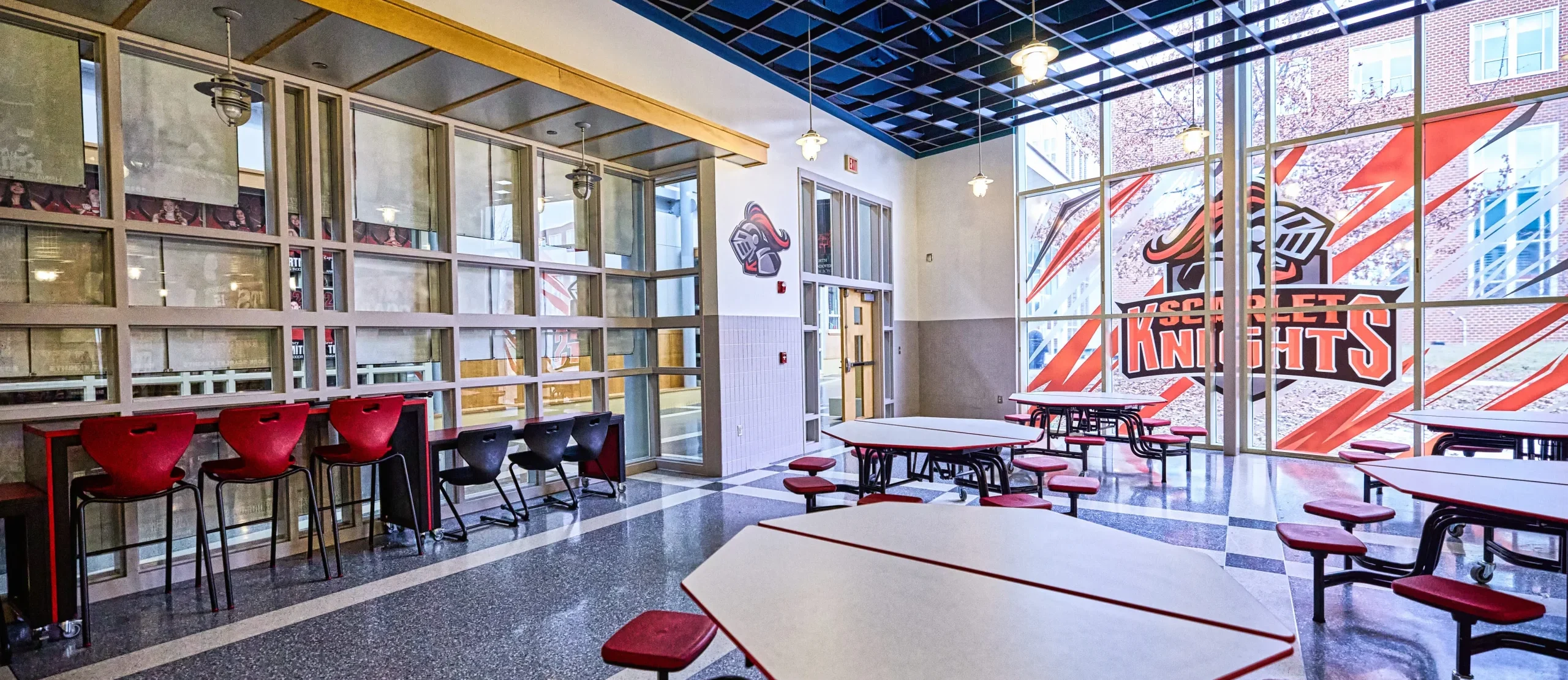
At ICC, we’ve spent decades helping schools rethink cafeterias as environments, not just service lines. After more than 15 years working alongside educators and administrators, one thing is clear: picky eating is rarely about defiance. It’s usually a response to development, environment, and how food choices are presented.
This guide helps schools understand why picky eating is so common and offers compassionate, practical strategies through design, menus, and experiences that gently guide students toward healthier choices without pressure or stigma.

Understanding Picky Eating in School-Aged Children
The idea of a “picky eater” can mean different things, but selective eating usually begins between ages two and three and often fades as children grow. As kids enter school, their awareness of peers increases. What others are eating and how it starts to matter more.
Picky eating is a regular part of childhood development, but it becomes more noticeable when children eat away from home. Research suggests that roughly 20-30% of school-aged children exhibit some degree of selective eating. In a typical school, that can mean hundreds of students each day struggling to feel comfortable with cafeteria meals.
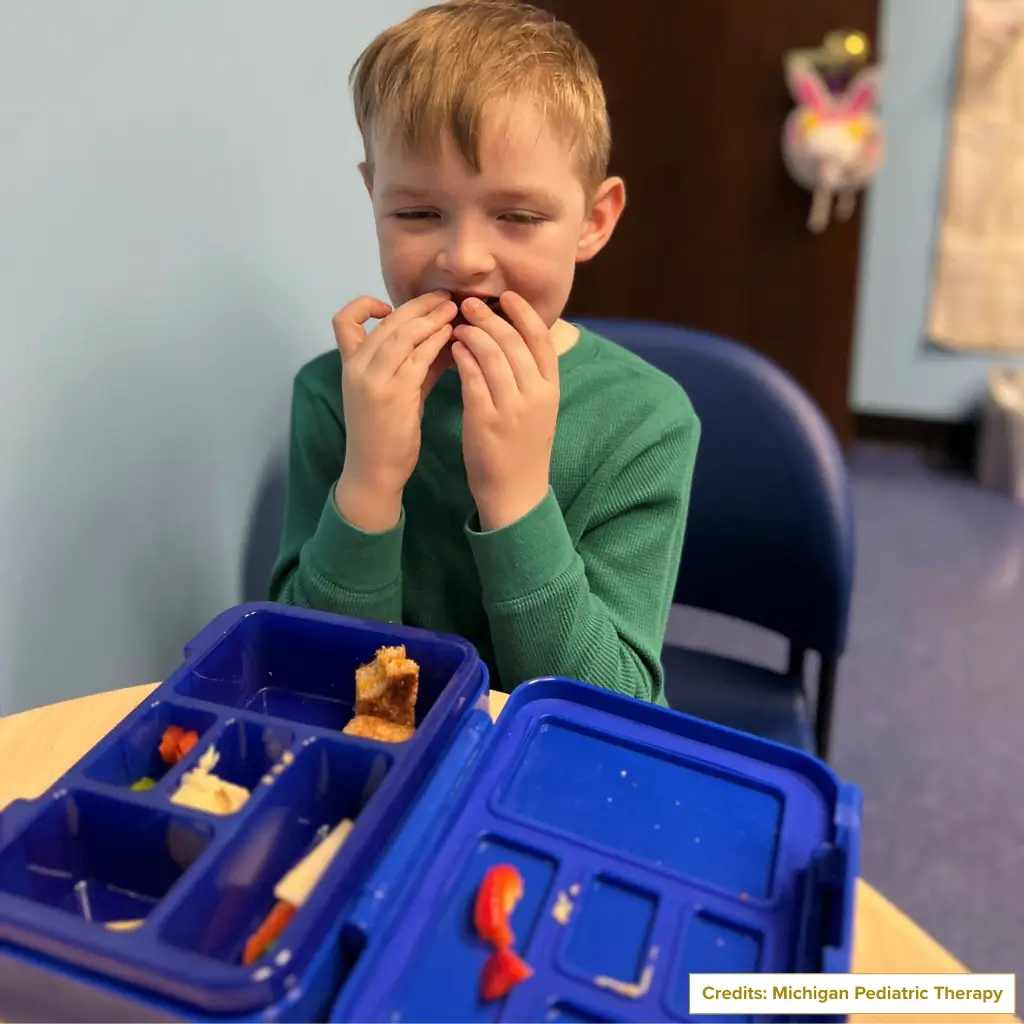
For some children, the challenge isn’t academics, it’s eating. Sensory sensitivities play a significant role. How food looks, smells, or feels can be overwhelming. Past medical experiences, such as reflux or painful swallowing, may influence food acceptance. Certain medications can even change how foods taste.
These behaviors aren’t defiance. They’re often rooted in biology, experience, and development.
Why Picky Eating Is Common in Schools
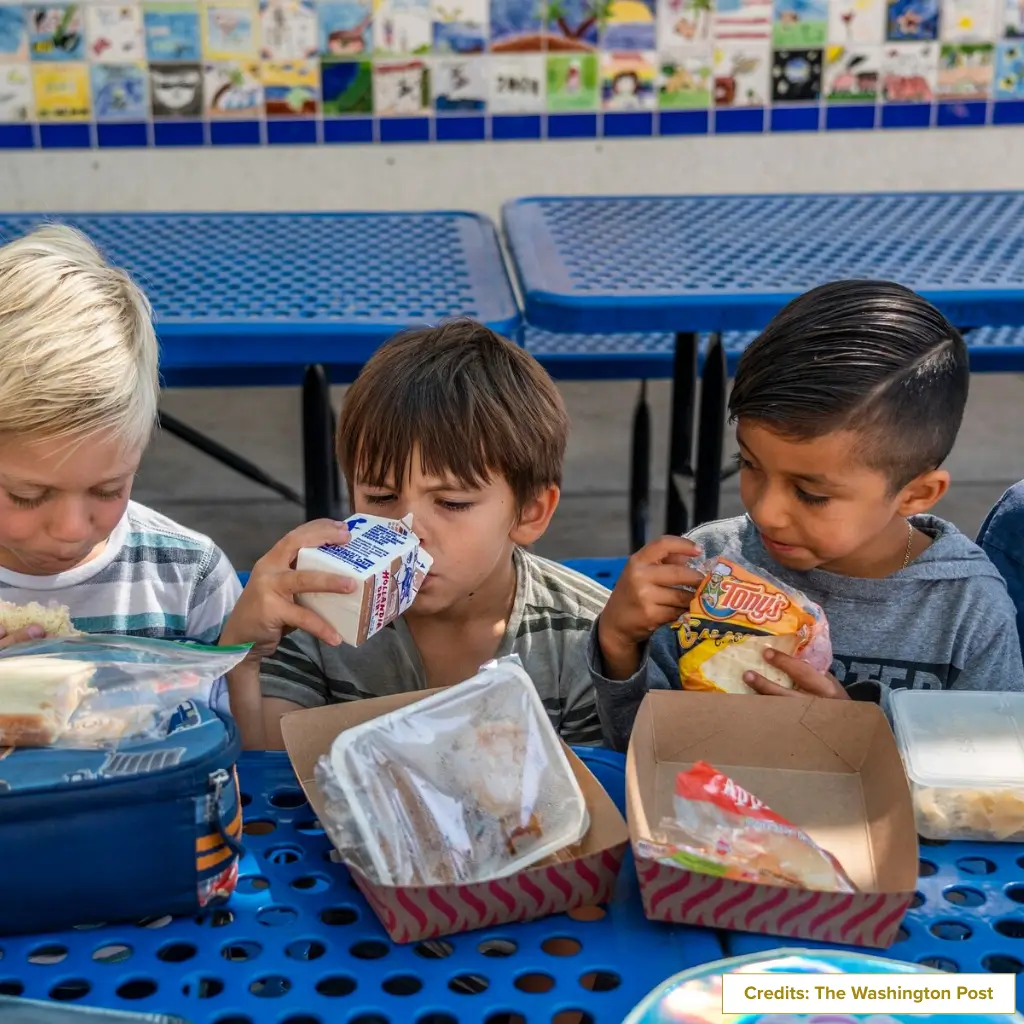
Picky eating becomes more apparent in school because cafeterias present unique combinations of sensory, social, and time-based challenges. Unlike home meals, students must navigate food choices in busy, unfamiliar, and often stressful environments.
-
High sensory stimulation
Cafeterias are loud, crowded, and full of competing sights and smells. For students with sensory sensitivities, especially elementary school children or neurodivergent learners, this stimulation can make eating uncomfortable. Even familiar foods can feel overwhelming in a noisy or chaotic space.
-
Loss of control
At school, students often can’t choose portion sizes or food combinations. This lack of control increases anxiety and resistance. When children feel decisions are being made for them, picky eating becomes a way to regain autonomy.
-
Social pressure and judgment
Students are acutely aware of their peers. Feeling watched, judged, or rushed can make eating stressful. Fear of standing out, especially around foods containing allergens or special accommodations, can lead students to avoid meals entirely.
-
Time constraints
Many students have significantly less time to eat at school than at home. Rushed meals discourage exploration and make it harder for students who need more time to feel successful.

The Impact of Picky Eating on School Nutrition Programs
Picky eating affects more than individual students; it impacts entire systems.
Schools frequently see increased food waste, lower participation, missed nutrition goals, and frustration among school cafeteria workers. National data suggests 30 – 40% of food served in cafeterias goes uneaten, with fruits and vegetables discarded most often.
Each year, U.S. schools generate approximately 530,000 tons of food waste, worth about $1.7 billion in uneaten meals. This represents missed nutrition and lost opportunities, particularly as schools work to reduce the impact of ultra-processed foods and increase protein in school meals.
At ICC, we view picky eating as a design and experience challenge, one that can be addressed thoughtfully and sustainably.
Creating a Supportive Cafeteria Environment for Picky Eaters
A supportive cafeteria environment helps students feel safe, calm, and in control: three essentials for reducing picky eating. When the space itself works with students rather than against them, even hesitant eaters are more willing to engage with food. Here’s how:
-
Design Elements That Promote Comfort Matter
Thoughtful layouts, calming color palettes, and durable & comfortable cafeteria furniture help students feel physically and emotionally at ease, making it easier for them to stay seated and engage with their meals.
-
Flexible Seating Reduces Social Pressure
Including shared tables gives students more choice in where and how they sit, helping reduce anxiety and allowing them to observe peers without feeling singled out.
-
Welcoming Spaces Build Connection
When cafeterias are intuitive and inviting, they naturally foster a sense of community, supporting positive social interactions around food.
-
Support Staff Visibility And Approachability
Friendly, accessible staff presence helps students feel comfortable asking questions or requesting alternatives without embarrassment.
At ICC, we design cafeterias with these principles in mind, spaces that quietly support comfort, choice, and confidence so picky eaters can engage with food at their own pace.

Menu Strategies That Encourage Healthier Choices Without Pressure
The most effective menus don’t force change; they invite it. When menus are designed with picky eaters in mind, they become one of the strongest tools schools have to promote healthy eating.
-
Familiar Foods With Healthier Twists
Students are more open to foods that feel recognizable. Whole-grain pizza crusts, baked versions of favorites, or familiar sauces paired with vegetables help bridge comfort and nutrition.
-
Smart Food Pairings
Pairing a trusted favorite with a less familiar item lowers perceived risk. When students know they’ll still have something they like, they’re more willing to experiment.
-
Portion Flexibility And No-Risk Tasting
Smaller portions or taste-sized servings allow students to try without commitment. This reduces fear of waste and failure.
-
Naming And Visual Presentation
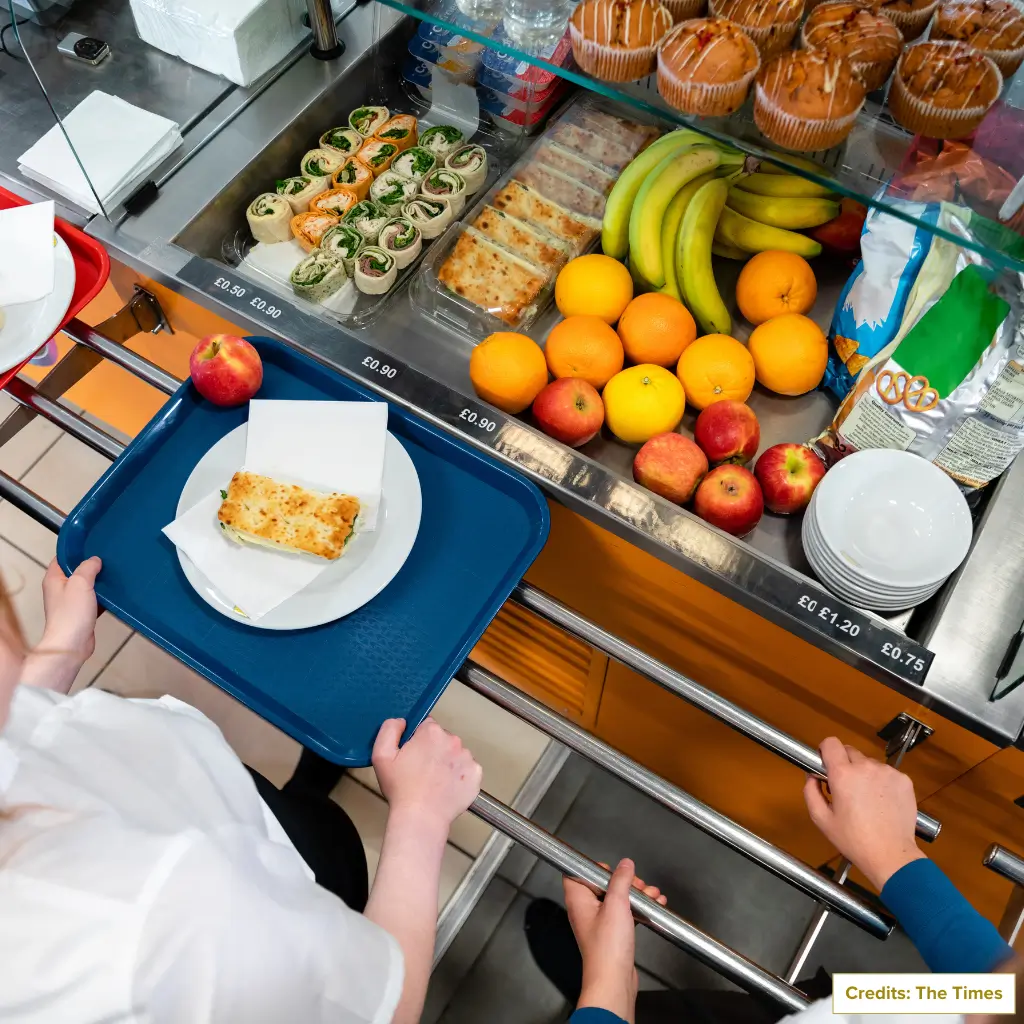
Creative names, appealing displays, and clear signage increase curiosity. When paired with USDA school cafeteria recipes, presentation can dramatically improve selection.
-
Use Dips To Increase Acceptance
Healthy dips like yogurt-based dressings or hummus make vegetables feel more approachable. Dips add flavor, choice, and a sense of control that picky eaters often need.
-
Use Incentives Thoughtfully
Age-appropriate cafeteria reward programs such as stickers, punch cards, or recognition for trying new foods can encourage participation without shaming or pressure.
-
Involving Students
Students are more likely to eat foods they’ve helped create. Involvement builds ownership and trust.
Schools can engage students through taste tests, feedback sessions, or a simple cafeteria survey. These tools help schools improve school cafeteria food while still meeting nutrition requirements.
Gentle Ways to Introduce New Foods to Picky Eaters
Introducing new foods successfully requires patience, repetition, and trust. Research shows it can take eight to fifteen exposures before a child accepts a new food.
-
Repetition Without Pressure
No-pressure taste opportunities allow students to explore without fear. Familiarity grows through repeated exposure, not force.
-
Peer And Adult Modeling
Seeing peers and trusted adults enjoy a variety of foods reduces hesitation. Cafeterias offer powerful social modeling opportunities.
-
Student Choice And Autonomy
When students control what and how much they eat, resistance decreases. Even sensory exposure, such as seeing or smelling food, helps build comfort.
-
Celebrating Small Wins
Trying a bite or selecting a vegetable matters more than finishing a plate. Progress builds confidence.
-
Flexibility In Food Form
Offering fruits and vegetables fresh, roasted, crunchy, or chilled accommodates different sensory preferences.
ICC designs cafeterias that support low-risk exploration through transparent displays and intuitive flow.
The Role of Cafeteria Design in Shaping Eating Behavior
Design quietly influences decisions often more effectively than rules or reminders. Here’s how:
- Students choose foods that are easy to see and reach. Precise flow reduces stress and avoidance.
- Placing balanced options at eye level and early in the line increases selection without limiting choice.
- Friendly signage and cohesive visuals help students navigate confidently and quickly.
- Elementary, middle, and high school students have different needs. ICC designs cafeterias that evolve with students and help schools choose the proper cafeteria seating.
How ICC Helps Schools Turn Picky Eating Into Positive Change
At ICC, we believe students eat better when cafeterias are designed for them, not just for efficiency.
We start by understanding how students move, choose, and feel in the space. Real change happens when layout, menu, and experience work together.
Schools often see higher participation, less waste, and smoother operations. Designs that support staff workflows make it easier to prevent foodborne illness and reduce daily frustration. Whether working with districts or private school cafeterias, we focus on long-term solutions, not quick fixes.
Final Thoughts
Creating healthier eating habits in schools doesn’t start with rules or restrictions. It begins with understanding. When cafeterias are designed to support comfort, choice, and curiosity, students engage with food more positively.
Picky eating isn’t something schools need to “fix.” It’s something they can thoughtfully design for. With compassionate strategies, intentional menus, and supportive environments, cafeterias can become places where students feel empowered to explore food at their own pace.
FAQs
Why is picky eating so common in school cafeterias?
School cafeterias can be loud, rushed, and socially complex. For many students, these factors increase stress and reduce their willingness to try unfamiliar foods.
What role does cafeteria design play in picky eating?
Design affects how safe and relaxed students feel. Clear layouts, comfortable seating, and reduced noise can significantly increase students’ willingness to eat.
How many times does a student need to see a new food before trying it?
Research shows it can take 8–15 exposures for a child to accept a new food. Repetition without pressure is key to building familiarity and trust.