Introduction
When the lunch bell rings in schools across the United States, it signals more than just a break in the academic day. It represents a critical moment when students receive nourishment that directly supports learning, focus, and overall well-being. Yet when we consider the challenge of food shortage, schools remain an area ripe for improvement.
Food shortages in cafeterias are not simply an inconvenience. They reflect deeper challenges around planning, resources, and system design. For many students, especially those who depend on school lunches as a primary source of daily nutrition, a missed or incomplete meal can have lasting consequences. The issue reaches beyond cafeteria walls, touching economic pressures, equity, and community responsibility.
At Ingenious Culinary Concepts, we work alongside school leaders and foodservice teams who understand that shortages are rarely caused by one mistake. Instead, they result from systems that were never designed to adapt to real-world demands. This guide explores why shortages happen, how schools can prevent them, and how thoughtful cafeteria design can support a reliable, student-first foodservice model. By aligning operations with well-planned spaces, schools can build cafeterias that are resilient, efficient, and ready for the future.
Why Food Shortages Are a Serious Issue in School Cafeterias
Consistent access to nutritious meals is strongly linked to academic success, improved behavior, and long-term health. Research from the USDA shows that students who regularly eat balanced school meals demonstrate better concentration and fewer disciplinary issues. Despite this, many schools struggle to consistently secure and serve basic menu items.
Supply chain disruptions are now a daily reality. One day it may be carrots, another day apples, or Brussels sprouts. While substitutions like broccoli or cauliflower maintain nutritional standards, they complicate planning and increase staff stress. When distributors cannot fulfill half of what is ordered, even the most organized cafeteria teams are forced into reactive mode.
The consequences of these shortages are far-reaching:
- Student nutrition and learning: Many students depend on school meals as a primary source of daily nourishment. Inconsistent meals can lead to fatigue, reduced focus, and lower classroom engagement.
- They disrupt daily school operations: Shortages slow service, create schedule delays, and increase pressure on administrators.
- They impact student experience and trust: Repeated issues erode confidence in the cafeteria program and reduce participation.
- They raise compliance concerns: Inconsistent meals can affect reimbursement under the National School Lunch Program.
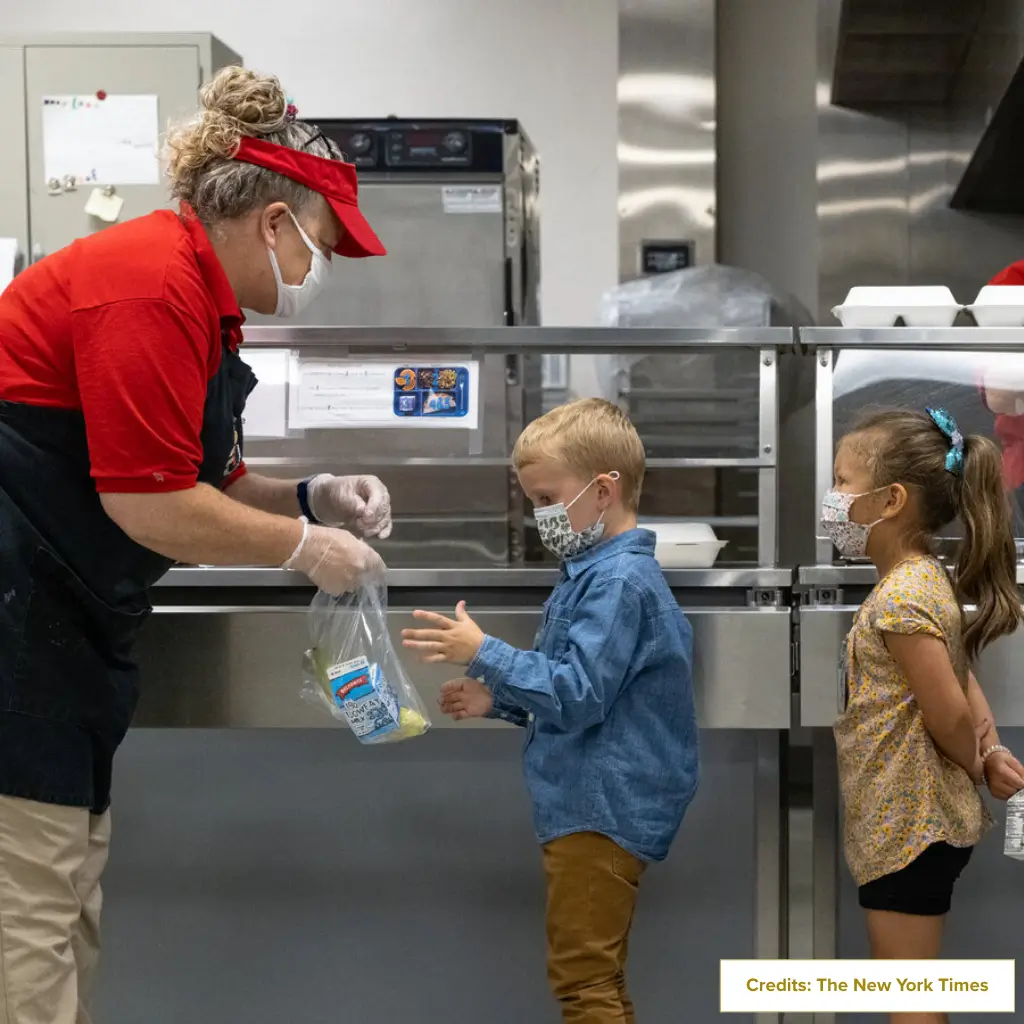
- Pressure on cafeteria staff: Cafeteria workers are often required to improvise, which affects morale and consistency.
- They reveal deeper system issues: Repeated shortages often point to outdated layouts, insufficient storage, or inefficient workflows.
These challenges make it clear that food shortages are not just operational hiccups. They are signals that systems and spaces need to evolve.
Common Causes of Cafeteria Food Shortages
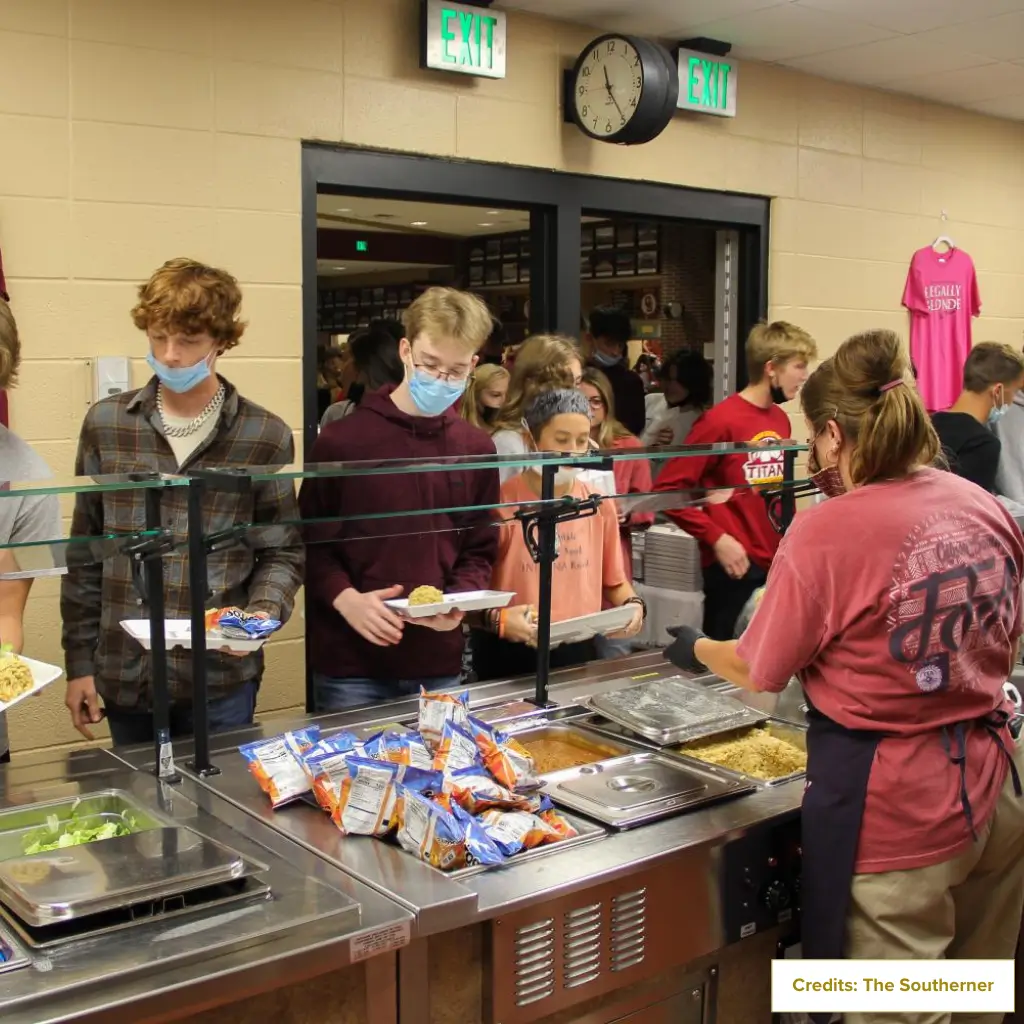
In our experience, most shortages stem from predictable challenges that are not supported by flexible systems or physical infrastructure. Below are a few reasons for food shortages in school lunchrooms:
Inaccurate meal forecasting
Daily participation fluctuates due to attendance, weather, testing, or menu popularity. Without data-driven forecasting tools, cafeterias may overproduce some items and underproduce others.
Limited storage capacity and inventory flexibility
Insufficient dry, refrigerated, or freezer storage leaves schools vulnerable to delivery delays. Many cafeterias rely on just-in-time ordering because their storage was never designed to hold backup inventory.
Inefficient kitchen workflows
Poorly placed equipment, congested prep areas, and excessive movement slow production. Even skilled teams struggle when kitchens work against them.
Staffing limitations and time pressure
High turnover and limited staffing amplify inefficiencies. When layouts are confusing, valuable prep time is lost navigating space instead of preparing food.
Menu complexity and lack of scalability
Menus that require specialized ingredients or labor-intensive prep are challenging to scale during demand spikes.
Rising costs and supply chain issues
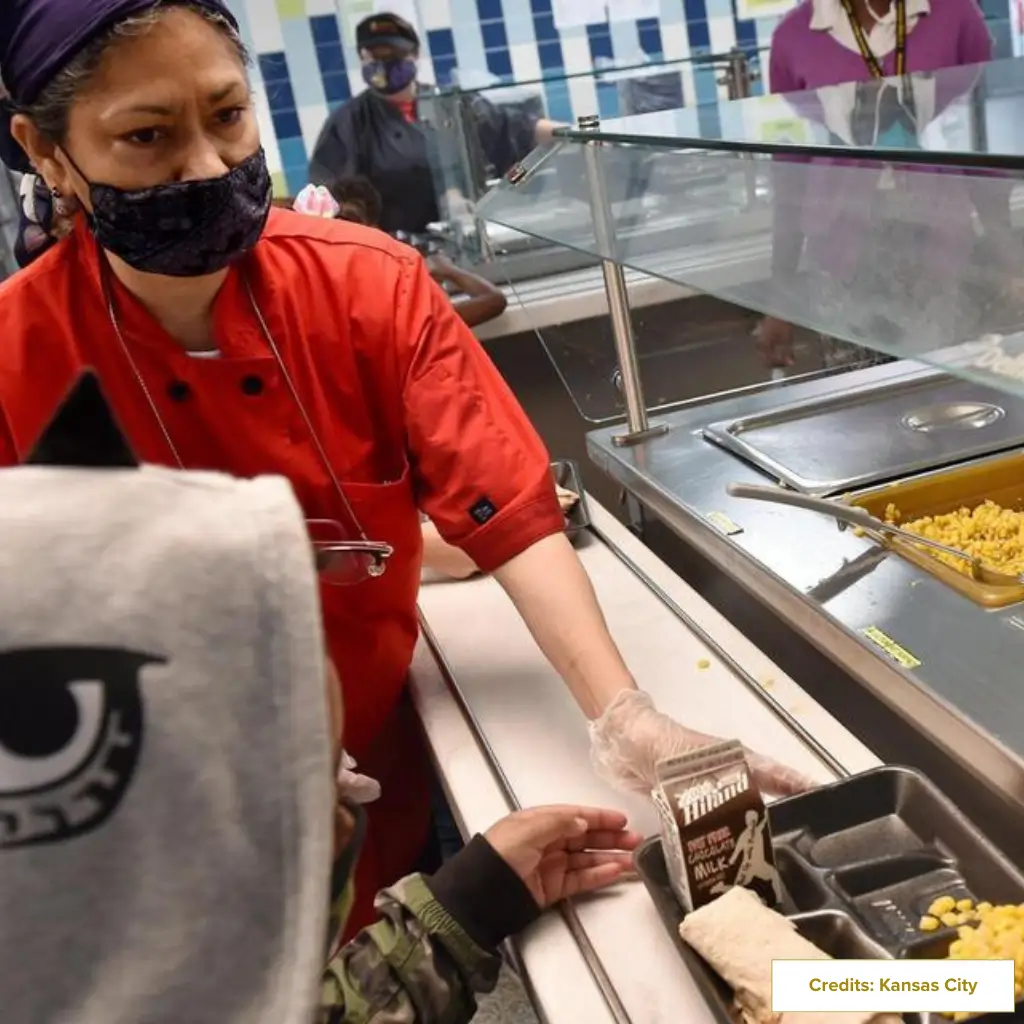
Budget pressures force districts to cut options or remove flavor elements, narrowing menus and reducing flexibility. Effective cafeteria budgeting is essential for balancing nutrition and availability.
Incompatible infrastructure
Schools that have expanded or repurposed older buildings often face logistical challenges that disrupt workflow and storage.
Transportation barriers
Geographic isolation or location in food deserts can complicate deliveries, especially for rural or urban schools with limited access.
Understanding these causes helps schools move beyond temporary fixes toward long-term, system-level solutions.
How Cafeteria Design Impacts Storage And Food Availability
Cafeteria design directly shapes how much food a school can store, prepare, and serve. Many cafeterias were built decades ago for smaller populations and simpler menus. Today’s expectations demand more.
Inadequate storage
Limited storage reduces a school’s ability to buffer against disruptions. ICC frequently encounters cafeterias where storage constraints directly contribute to shortages.
Poor organization and accessibility
Disorganized storage slows prep and increases errors. Clear zoning and accessible shelving improve efficiency and visibility.
Inefficient layouts
Congested workflows reduce output during peak periods. Streamlined layouts allow staff to produce more meals with less strain.
Equipment placement issues
Bottlenecks occur when equipment placement does not align with volume demands. Strategic planning ensures scalability.
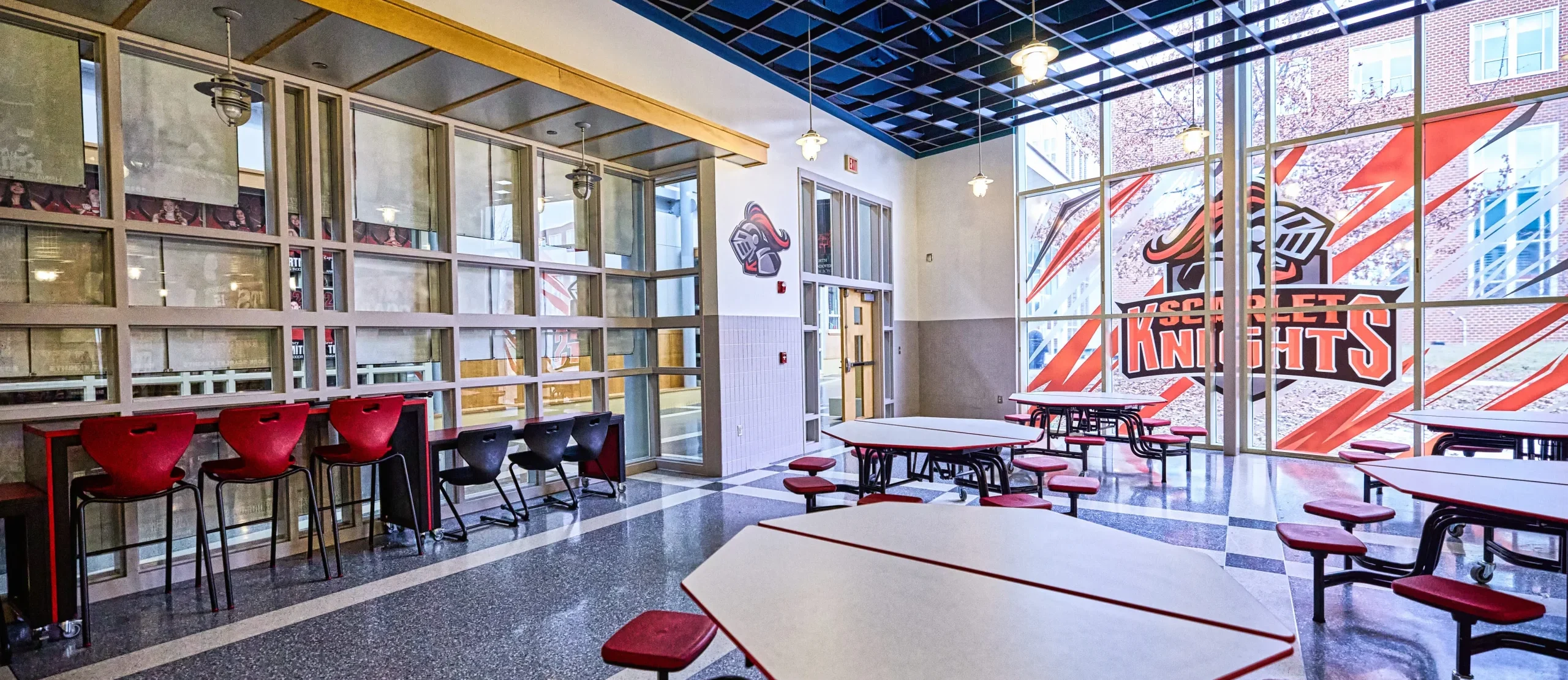
Design choices also influence student experience. Thoughtful cafeteria seating, durable cafeteria furniture, and intuitive traffic flow support faster service and reduce stress for both students and staff.
At ICC, we treat cafeteria design as an integrated system in which storage, prep, cooking, and service areas work together to ensure food availability.
Preventive Strategies to Avoid Cafeteria Food Shortages
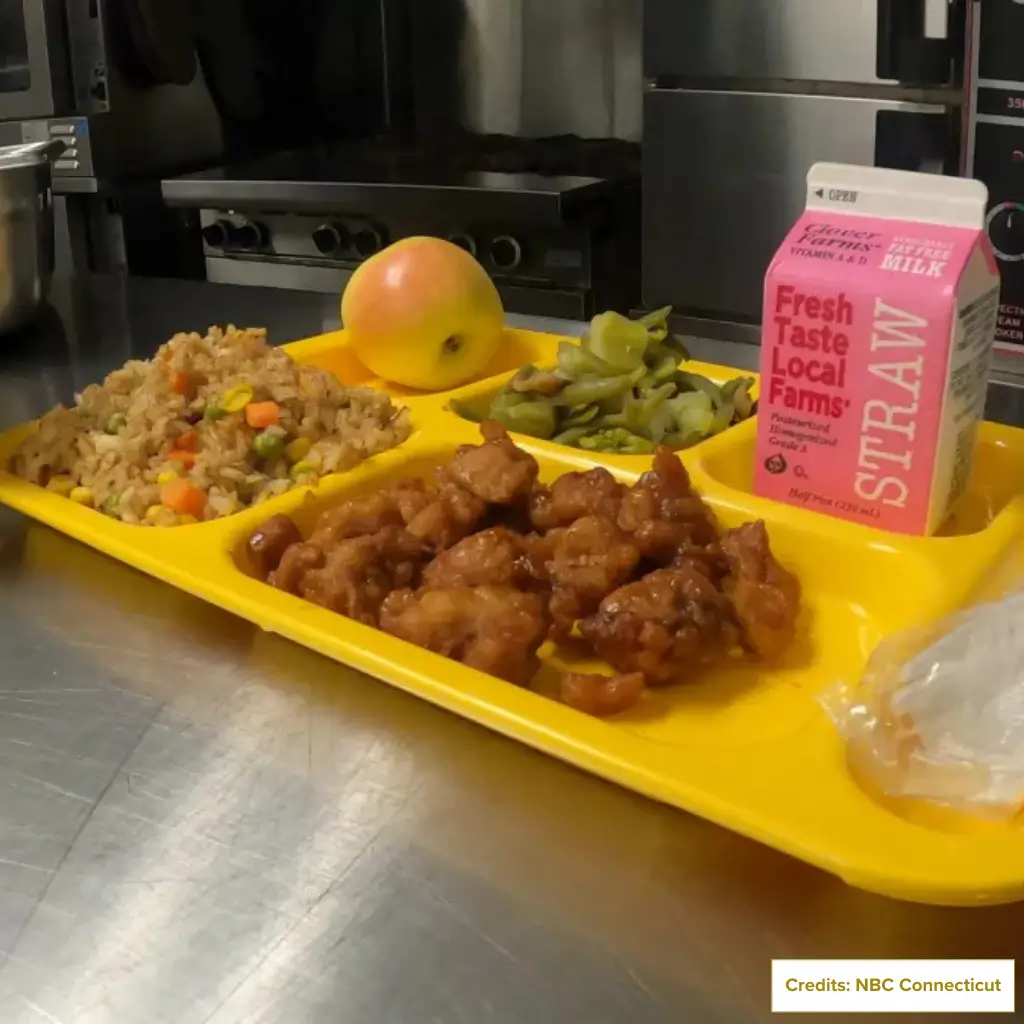
Preventing shortages requires both operational discipline and supportive environments. Below are proven strategies schools can use to avoid cafeteria food shortages before they occur.
— Inventory and Supply Chain Management
- Implement inventory software to track stock in real time.
- Diversify suppliers to reduce dependency on a single source.
- Buy nonperishables in bulk ahead of peak seasons.
- Enforce FIFO practices to prevent spoilage and loss.
— Menu and Operational Strategies
- Simplify menus using versatile, high-demand ingredients.
- Plan seasonal menus around availability, including predictable events like Thanksgiving lunch or Easter menus.
- Introduce grab-and-go options for better inventory control.
- Maintain standardized recipes to ensure portion control and consistency.
— Waste Reduction and Efficiency
Food waste directly contributes to shortages. Schools that reduce food waste can stretch budgets and inventory further. Shared tables, precise portioning, and repurposing trimmings all increase efficiency.
These strategies are most effective when supported by spaces designed to make them easy to implement.
— Communication and Student Experience During Shortages
Clear, respectful communication matters. Students and families respond better when changes are explained transparently. Maintaining a calm, welcoming environment helps prevent disappointment and preserves trust, even when substitutions are necessary.
How Schools Should Handle Cafeteria Food Shortages During Service Hours
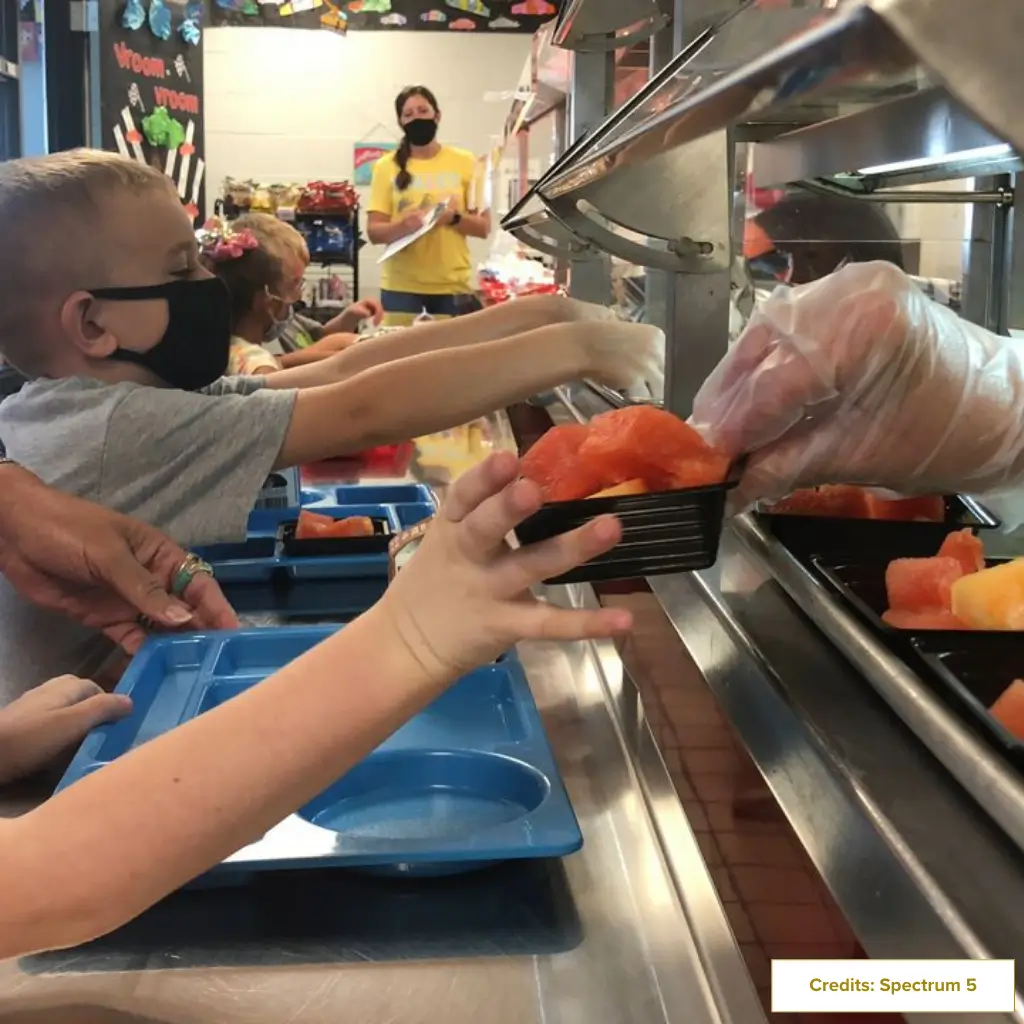
Even the best systems encounter occasional disruptions. Prepared schools respond calmly and efficiently.
- Communicate early among staff.
- Follow predefined response plans.
- Use flexible, pre-approved menu options.
- Maintain respectful communication with students.
- Coordinate staff roles clearly.
- Monitor service flow in real time.
- Document and review each incident.
Well-designed spaces make these responses easier by supporting visibility, movement, and coordination.
Transform Your Cafeteria to Prevent Food Shortages for Good with ICC
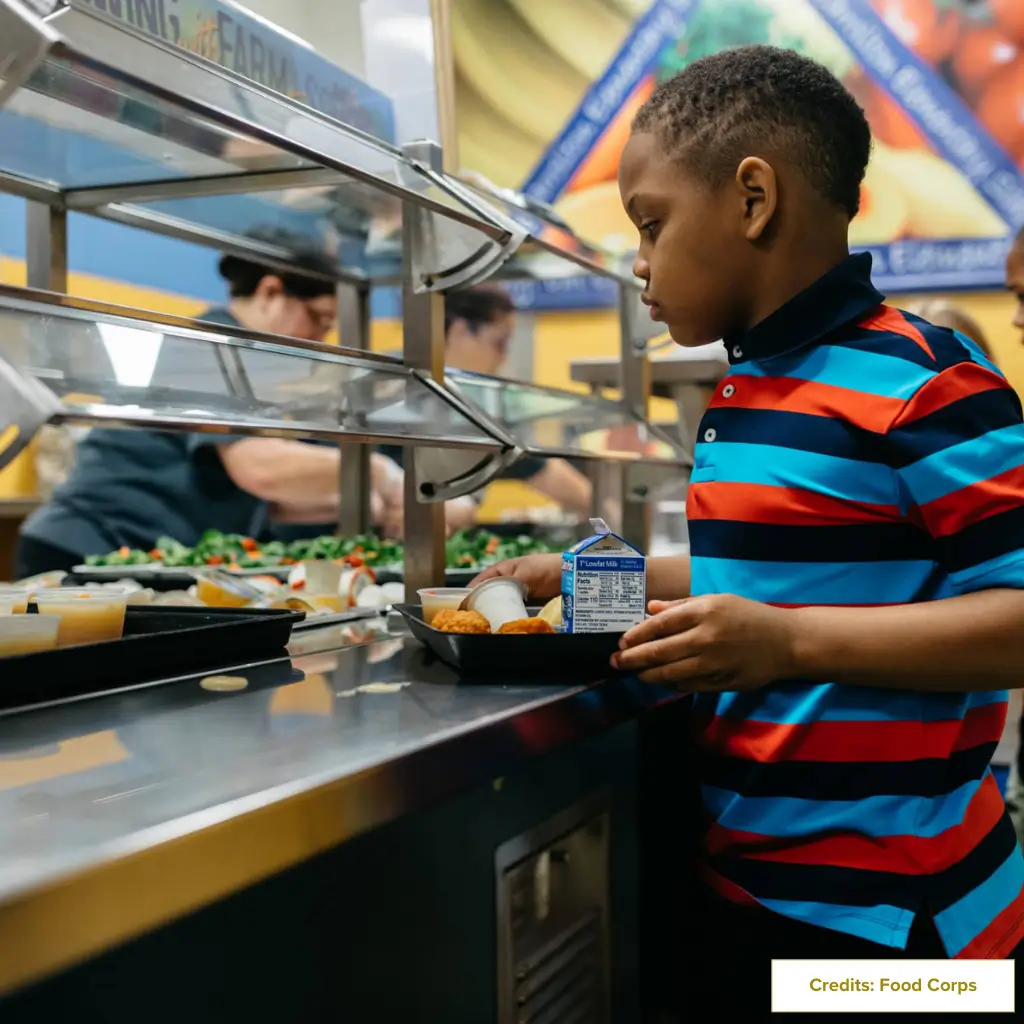
At ICC, lasting solutions are rooted in design. We partner with districts to create environments that support reliable service, staff efficiency, and student satisfaction.
Our team evaluates storage needs, workflows, compliance requirements, such as cafeteria health inspections, and long-term growth. We help schools organize cafeterias around real operational demands, not outdated assumptions.
To book a meeting, fill out the form and schedule a time that works for you.
Conclusion
Cafeteria food shortages are not inevitable. They are signals that systems, spaces, and strategies need to evolve. With thoughtful planning, efficient operations, and intentional design, schools can build resilient, student-centered foodservice programs.
As participation grows and expectations rise, the future of school cafeterias depends on integrated solutions. With support from our experts and the innovative use of resources, such as federal grants, schools can confidently manage school cafeterias that deliver consistent, nourishing meals every day.
When systems and spaces work together, every student can count on a dependable meal experience.
FAQs
Why do food shortages occur in school cafeterias even with planning?
Because demand fluctuates and existing systems or spaces may lack flexibility.
Can cafeteria redesign help reduce food shortages?
Yes, improved storage, workflow, and service layouts support consistent availability.
How often should schools review meal forecasting?
Forecasting should be reviewed regularly, especially after schedule changes.
What role do staff play in preventing shortages?
Well-trained staff can scale production and respond quickly to changes in demand.