Introduction
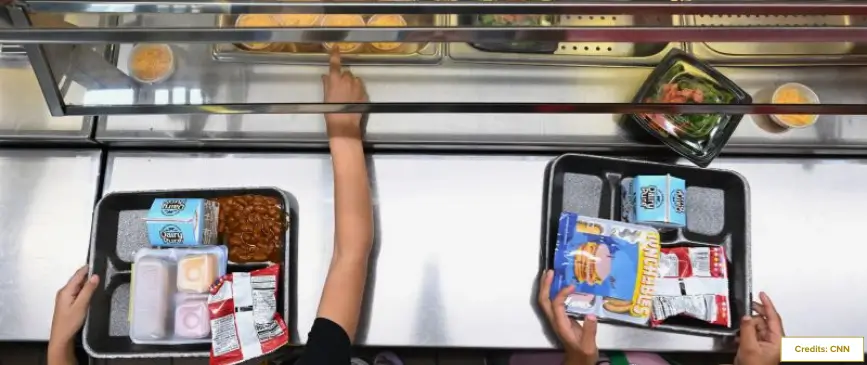
Walk into any school cafeteria and watch how students choose their meals!
You’ll notice something almost immediately. Decisions happen in seconds, often before a single bite is taken.
What drives that decision?
Presentation!
Today’s students are more visually influenced than ever. From social media to everyday digital exposure, they’re used to food that looks exciting, colorful and worth sharing. That expectation doesn’t disappear when they walk into a cafeteria. In fact, it becomes even more important, especially when schools are trying to encourage better eating habits.
At Ingenious Culinary Concepts, we’ve worked closely with schools across the U.S., and one thing consistently stands out: when food looks better, students respond better. They’re more curious, more willing to try something new, and far more likely, actually, to finish what they take.
The best part? You don’t need a massive overhaul or budget to make this happen. Small, intentional changes in presentation can completely shift how students experience meals.
And that’s exactly what this guide is about. Practical, proven ways to make cafeteria food more appealing, without overcomplicating the process.
Why Food Presentation Matters in School Cafeterias
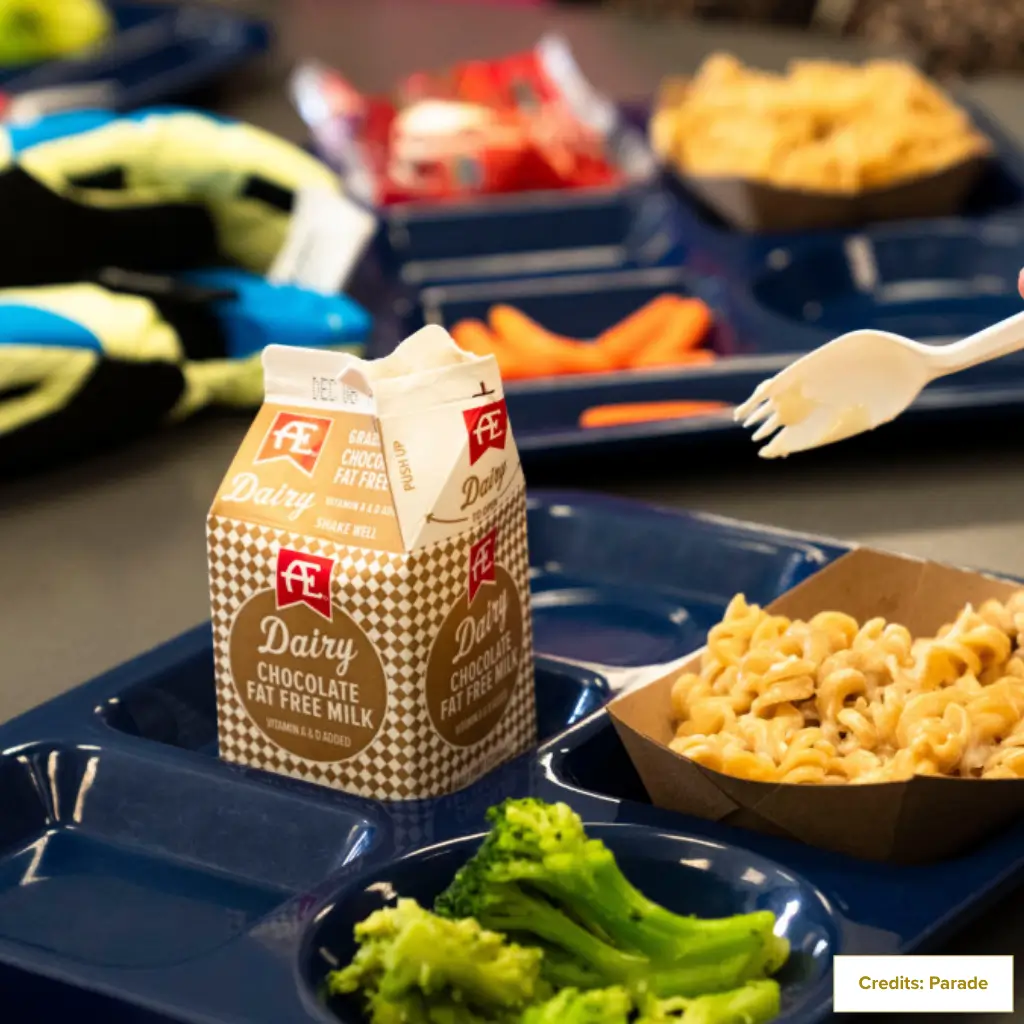
Food presentation isn’t just about aesthetics; it’s a critical part of the overall dining experience. We strongly believe that presentation is not separate from nutrition or service; it’s what connects them.
When meals are visually appealing:
- Students feel more interested in trying them
- They are more likely to eat the full portion
- They become more open to healthier options
On the other hand, poorly presented meals can send the wrong message. Even nutritious, well-prepared food can feel unappealing if it looks messy, dull, or rushed.
In a modern school cafeteria, presentation also shapes perception. Cafeterias are no longer just service points; they’re environments. Schools that treat them as welcoming, thoughtfully designed spaces often see better engagement, reduced waste and improved student satisfaction.
That’s why, in every project, presentation is treated as part of a bigger strategy, one that connects design, service, and student behavior.
Tips to Make Cafeteria Food Look Delicious and Inviting
1. Use Simple Garnishing Techniques
You don’t need to be a chef to make food look better.
Small touches such as fresh herbs, a citrus slice, or neatly placed toppings can instantly enhance visual appeal. These details communicate effort and care, which students notice even if they don’t consciously think about it.
Consistency matters more than complexity. When every plate includes a simple finishing touch, the entire cafeteria feels more polished.
At ICC, we recommend starting here because it’s one of the easiest and most cost-effective ways to upgrade a presentation.
2. Serve Food In Organized Portions
One of the most common presentation issues we see is overcrowding.
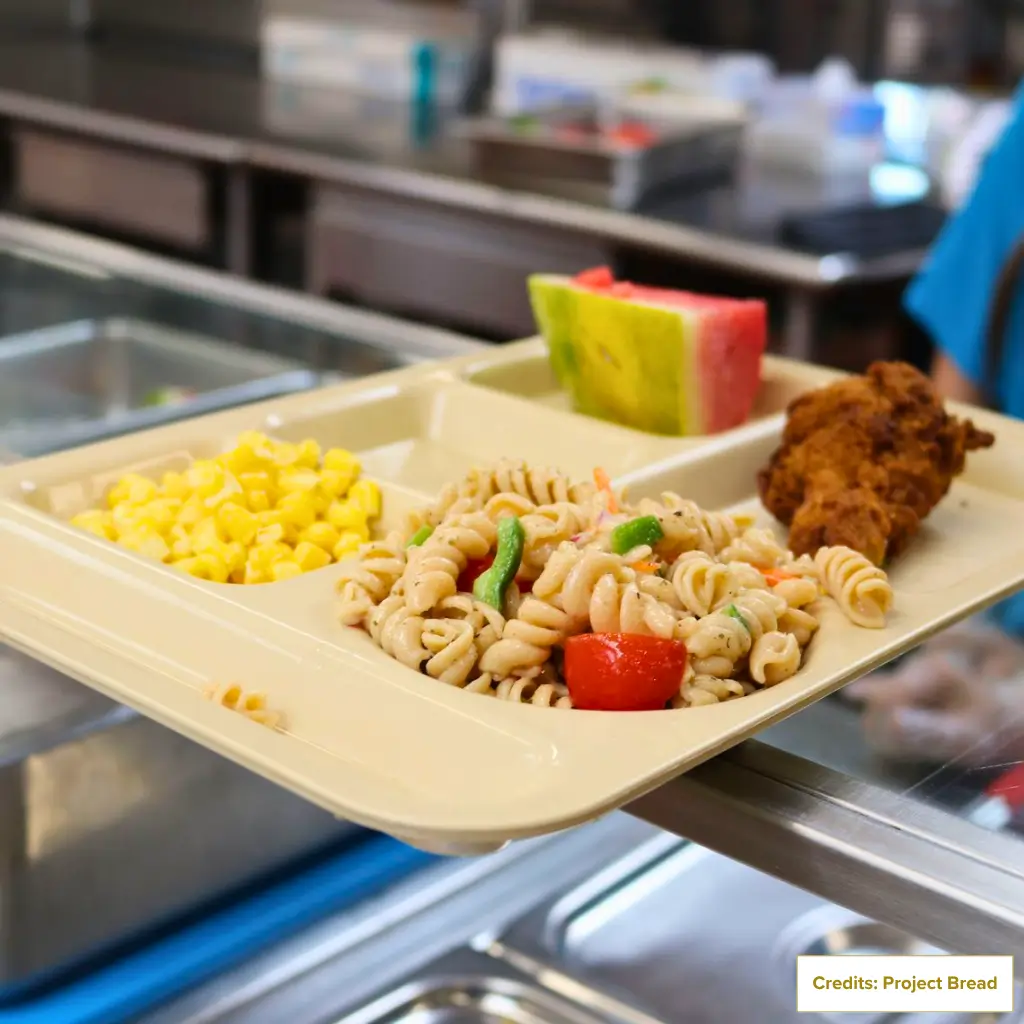
Even well-prepared school lunches can lose their appeal when everything is piled together. Organized portions bring structure to the tray, making meals easier to understand and more enjoyable to eat.
Separating components like main dishes, sides, and fruits helps students quickly recognize what they’re getting. This clarity increases comfort and encourages better eating habits.
Simple compartmentalization or thoughtful placement can make a significant difference without changing the menu itself.
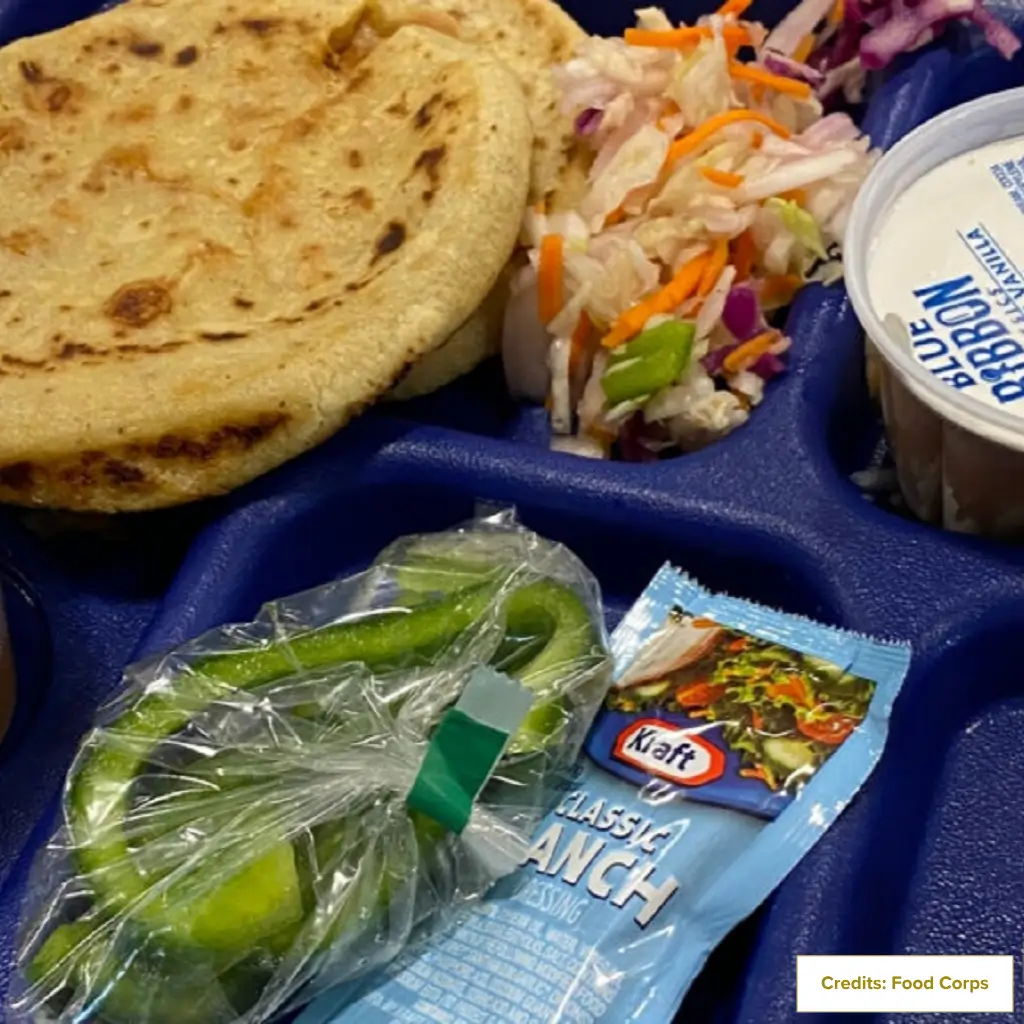
3. Upgrade Tray And Plate Presentation
Sometimes the presentation problem has nothing to do with the food; it’s about what it’s served on.
Worn-out trays and dull plates can reduce the perceived quality of a meal. Students notice these details more than expected, especially in environments like high schools where expectations are higher.
Practical improvements include:
- Using clean, well-maintained trays
- Avoiding overcrowded plating
- Creating a slight height or layering for visual interest
- Cutting food into varied shapes for better appeal
At ICC, we focus on solutions that are durable, functional, and visually clean, ensuring that serving ware enhances the meal rather than detracts from it.
4. Use Clear And Attractive Food Labels
Presentation isn’t just visual. It’s also about how food is described.
Labels like “Vegetables” or “Rice” feel basic and uninspiring. But a more descriptive name like “Steamed Rice with Garden Vegetables” instantly makes the dish sound more appealing.
Clear labeling also builds trust. Students are more confident trying new foods when they know exactly what they’re choosing.
A few improvements can go a long way:
- Use clean, readable fonts
- Keep label placement consistent
- Maintain a neat and organized display
Across our projects, we’ve seen labeling upgrades significantly improve engagement, especially in diverse cafeteria environments.
5. Use Color And Variety To Make Meals More Attractive
Visual appeal comes from contrast and balance.
Meals that include a mix of colors and textures naturally stand out. Bright vegetables, fresh fruits, and varied textures make dishes look more exciting and appetizing.
For example:
- Pair crunchy elements with softer ones
- Combine vibrant colors with neutral bases
- Add variety in shapes and presentation styles
This approach is particularly effective for cafeteria food in elementary schools, where visual stimulation plays a major role in encouraging children to try new items.
6. Introduce Build-Your-Own Meal Options
Customization transforms how students interact with food.
Build-your-own stations, such as wraps, bowls, or salads, allow students to create meals that look appealing to them personally. This sense of control increases satisfaction and reduces resistance.
These setups also enhance presentation naturally. Fresh ingredients displayed openly create a vibrant and dynamic visual experience.
This strategy is highly effective across different environments, including school mornings and breakfast programs, where quick yet engaging options are essential.
At ICC, we’ve helped schools implement these stations to improve both presentation and participation simultaneously.
SUGGESTED READING 👉🏼 BEST LUNCH MENU OPTIONS FOR A SCHOOL CAFETERIA
7. Improve Lighting In Serving Areas
Lighting has a powerful impact on how food is perceived.
Poor lighting can make even fresh meals look dull, while good lighting enhances color, texture, and overall appeal.
Simple improvements include:
- Using bright, even lighting across serving areas
- Reducing shadows
- Highlighting key food displays
Lighting also contributes to the atmosphere. A well-lit cafeteria feels cleaner, more welcoming, and more modern.
In our expert-designed spaces, lighting is always treated as a strategic element, not just a functional necessity.
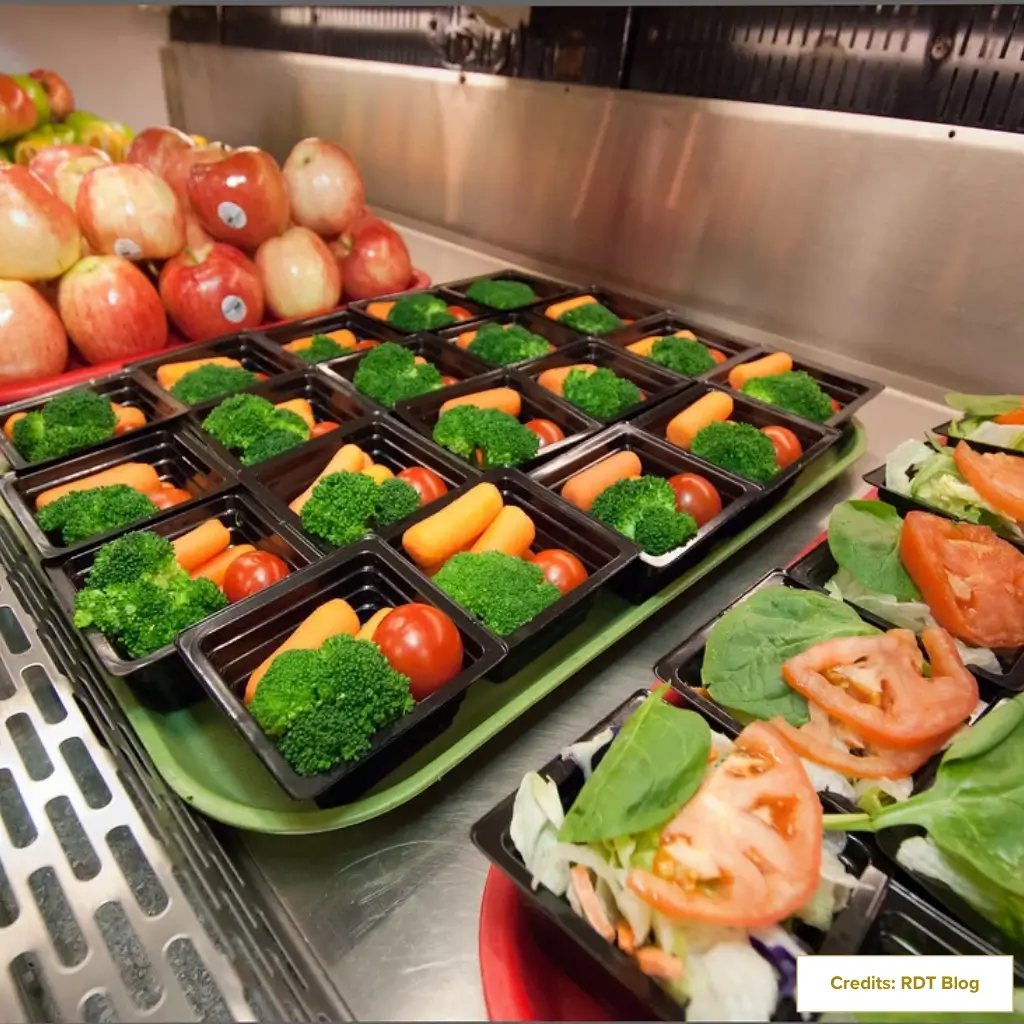
8. Organized Serving Lines That Showcase Food Clearly
The serving line is your main opportunity to present food effectively.
When designed well, it can guide students visually and influence their choices. When poorly organized, it can create confusion and reduce interest.
An effective serving line should:
- Keep food visible and accessible
- Highlight colors and variety
- Stay clean and well-maintained
- Be refilled regularly to maintain appearance
Creative enhancements, such as seasonal decor or school cafeteria themes, can further enhance visual appeal and keep the environment engaging.
9. Keep Food Fresh Looking Until Served
A presentation doesn’t end once the food is prepared; it must be maintained.
Food that sits too long can quickly lose its appeal. Dry textures, faded colors, and soggy components all reduce visual quality.
Maintaining freshness involves:
- Serving smaller batches more frequently
- Refilling trays before they look depleted
- Ensuring proper temperature control
- Minimizing exposure to the air
These operational adjustments are a key part of creating healthy school cafeterias, where both nutrition and presentation are preserved.
10. Involve Students In Presentation Ideas
Students are the best source of insight into what works. We always encourage schools to make student feedback part of their ongoing improvement strategy.
Involving them in presentation decisions not only generates better ideas but also increases engagement. When students feel heard, they’re more likely to participate in the cafeteria experience.
Effective methods include:
- Surveys and feedback forms
- Taste-testing sessions
- Focus groups
- Informal feedback opportunities
This approach is especially valuable in addressing challenges like how to deal with picky eaters in school cafeterias, as students are more open to options they’ve helped shape.
It also works across all environments, including private school cafeterias, where expectations for quality and experience are often higher.
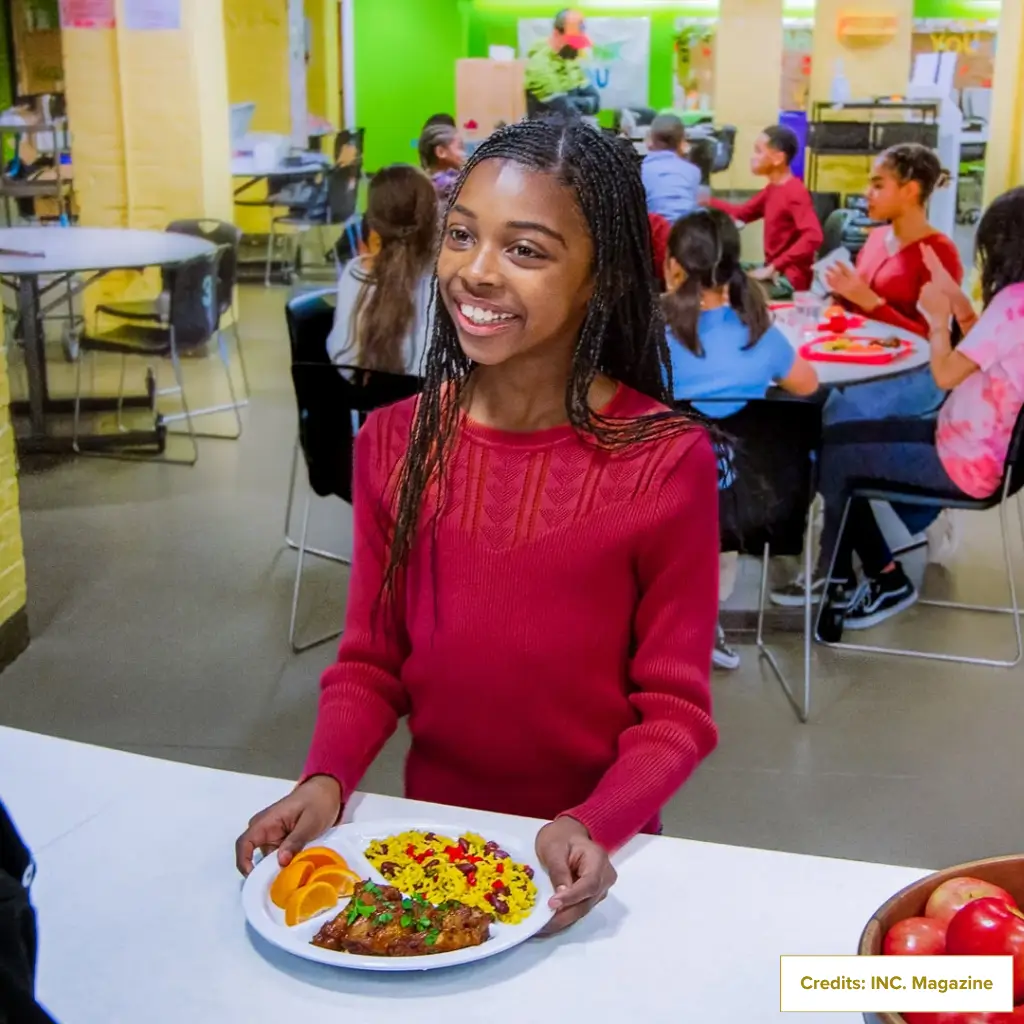
Conclusion
At the end of the day, improving cafeteria food presentation comes down to being intentional with the details.
It’s not about adding complexity; it’s about making smarter choices in how food is arranged, displayed, and served. Small improvements in presentation can lead to noticeable changes in how students interact with meals, often without requiring major investment.
From our experience, we have found that schools that focus on presentation create more efficient, engaging, and enjoyable dining environments. The impact is clear: better participation, less waste, and a more positive connection between students and their meals.
When presentation is treated as part of the overall strategy, cafeterias naturally evolve into spaces that support both experience and outcomes, something every school aims to achieve.
FAQs
Why is food presentation important in school cafeterias?
Food presentation directly influences student choices. When meals look appealing, students are more likely to try them, finish them, and develop better eating habits.
What is the best way to make cafeteria food appealing?
The best approach is to focus on simple improvements, such as organized sections, color balance, and clean presentation. Small visual upgrades can make a big difference without increasing costs.
How can schools improve presentation without increasing the budget?
Schools can use low-cost strategies such as better arrangement, consistent garnishing, improved labeling, and maintaining cleanliness to enhance overall presentation.