Introduction
Food connects people, and in schools, it connects culture and community.
THINK ABOUT IT: What if the next time students sat down for lunch, they were greeted not just by their usual tray but by a fun opportunity to discover something new? That’s the magic of a school-wide taste test event.
Taste tests spark excitement, curiosity, and conversation. They allow students to explore new foods, share honest opinions and help shape the healthy school cafeteria of the future. When students feel empowered to influence what’s served, they become more invested in school meals and more open to trying healthy options.
Welcome to the ultimate guide to planning a successful school-wide taste test event, a step-by-step, action-packed roadmap designed to inspire students, engage staff, and bring your cafeteria to life with flavor and fun.
What is a Taste Test Event?
Before diving into the details, let’s revisit why this event matters. Students often eat hundreds of meals a year at school, and while consistency is good, variety keeps things fresh. Taste testing helps you improve school cafeteria food by listening directly to your most important critics: the students.
When kids taste a new food among peers, in a positive, supportive environment, they’re more likely to try it again later. Taste tests build novelty around nutrition, expose students to diverse cuisines, and create opportunities for cultural learning. They also foster a positive school culture where every opinion is valued and respected.
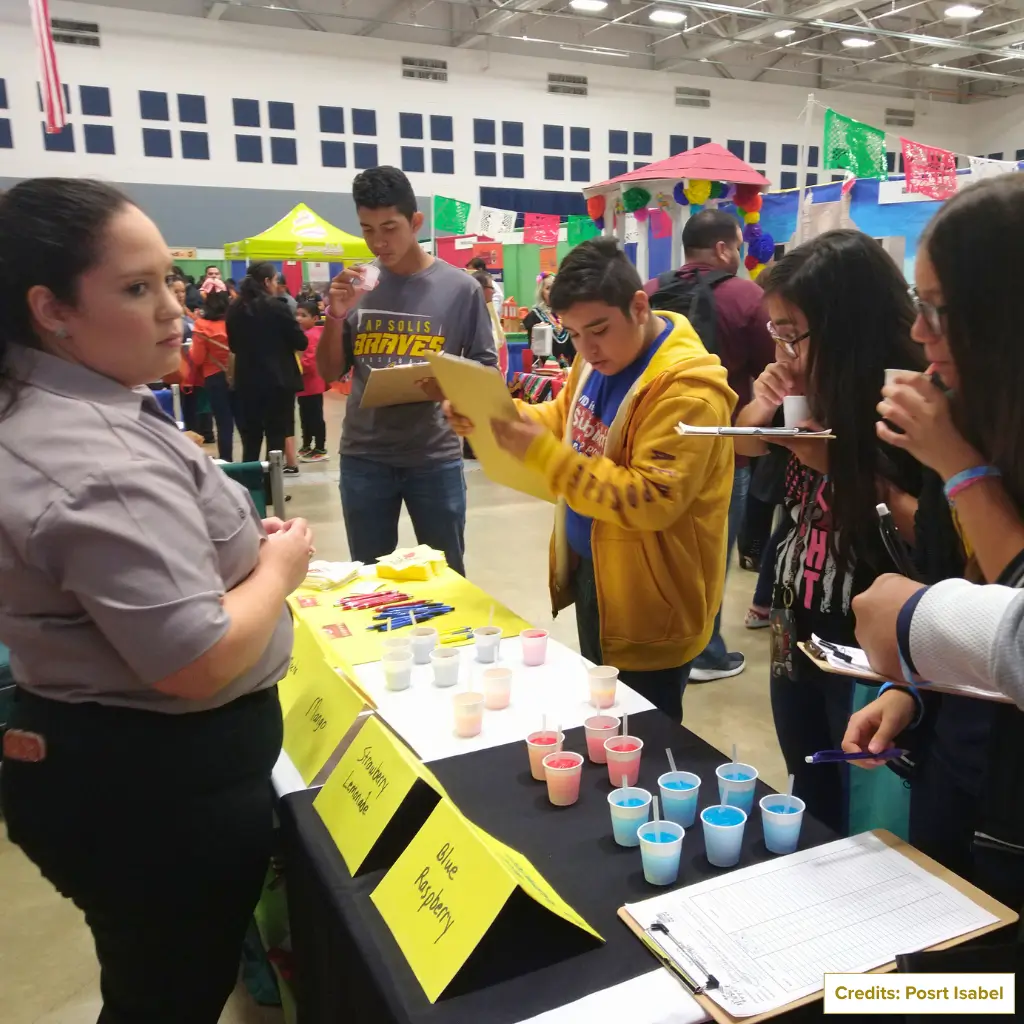
Here’s what makes these events so powerful:
- New Food Exposure: Trying small samples can reduce the fear of the unfamiliar.
- Engaged Senses: Students experience textures, aromas, and flavors that excite their palates.
- Student Voice: Every bite comes with a chance to give feedback that shapes the future menu.
Planning Your School Taste Test Event — Step-by-Step Process
1. Setting Goals for Your Taste Test
The foundation of every significant event is knowing why you’re doing it. What’s your main goal?
Do you want to introduce local produce, pilot a new entrée, or simply encourage adventurous eating? Be clear about your objectives.
Once your “why” is set, outline how you’ll measure success. Define metrics like:
- Number of students who participated.
- How many students voted “love it”
- Feedback comments that lead to fundamental menu changes.
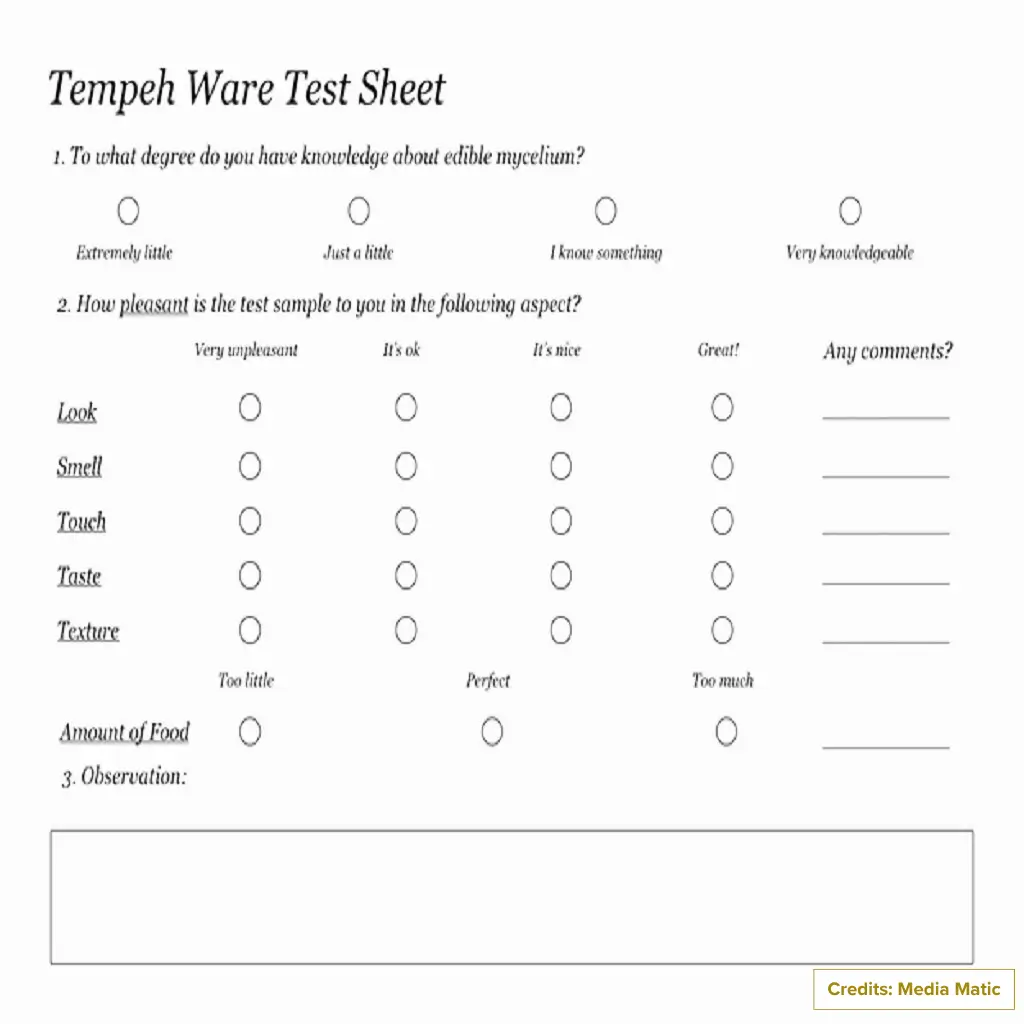
A good set of survey questions is essential. Keep them short, fun, and visual — like “Love it / Like it / Not yet.” The quicker and more effective the feedback, the better.
2. Plan the Logistics
The backbone of a smooth event lies in careful planning. Start by coordinating with your school cafeteria staff to decide when and where to host your taste test.
Here’s what to consider:
- Date and time: Will it be during lunch, recess, or a themed school day?
- Location: the school cafeteria table setup works well, but you can also take it outdoors for a relaxed outdoor cafeteria feel.
- Theme: Create a central idea to tie everything together — like “Around the World,” “Local Harvest,” or “Future Menu Favorites.” Thoughtful school cafeteria themes make the event more memorable.
For planning and setup, use a school cafeteria checklist to ensure nothing’s missed — from sample cups and napkins to food labels and allergy notices.
Also, organize your school cafeteria layout to ensure smooth traffic flow. Consider adding a small cafeteria menu board near the serving line to display the day’s taste test item and invite participation.
3. Choosing the Foods for the Taste Test
Selecting the right foods is where creativity shines. Work closely with cafeteria cooks or local vendors to choose nutritious and appealing dishes that align with your healthy school cafeteria menu.
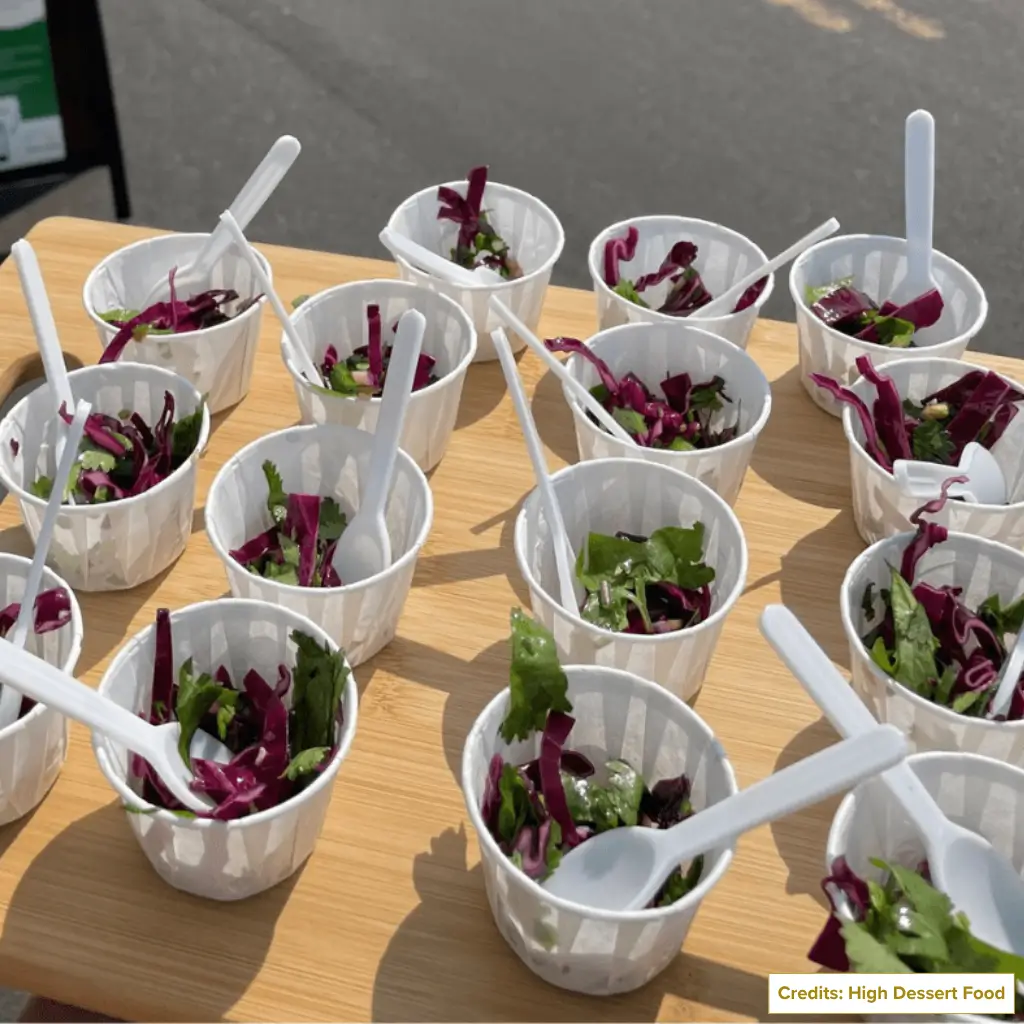
Offer small bites that are easy to serve and fun to taste — things like roasted veggie medleys, whole-grain muffins, or fruit salsa with cinnamon chips. Aim for culturally inclusive items and reflect your school’s diversity.
Don’t forget to account for allergies and dietary restrictions. Providing options ensures everyone can participate comfortably and safely.
For example, try:
- Sweet potato fries baked with olive oil
- Mini lentil tacos
- Local apple slices with yogurt dip
These small tastings create big conversations about flavor, culture, and health.
4. Involve Students from the Start
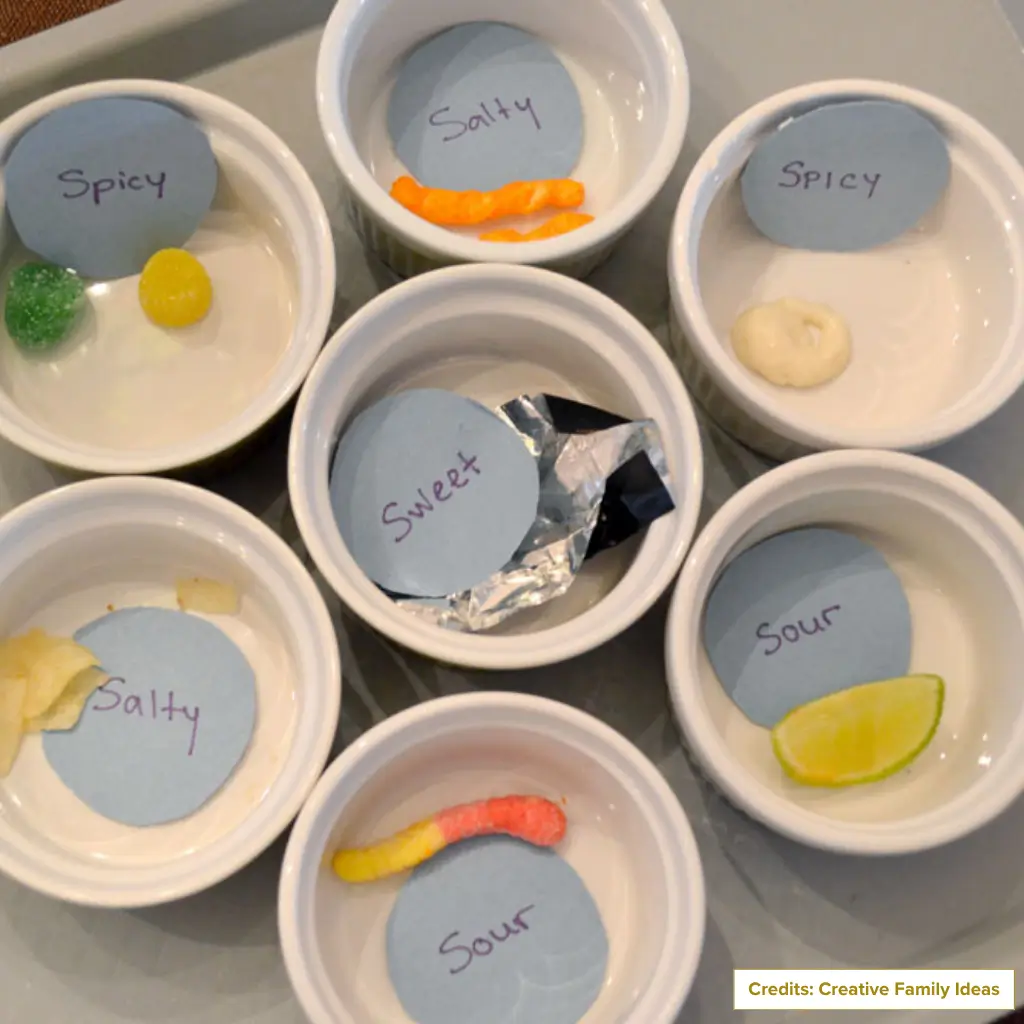
Student ownership is the secret ingredient to any successful event. Create a “Student Taste Test Committee” and empower them to design posters, name dishes, and lead promotions.
For example, let students rebrand “Carrot Salad” into “Sunshine Crunch.” You’ll be amazed at how much engagement skyrockets when kids see their ideas come to life.
In younger grades, like in an elementary school cafeteria, keep things playful with stickers or emoji ballots. In older settings, such as high school cafeterias, consider using digital voting through QR codes or quick polls. In a private school cafeteria, you can tie the event to sustainability or local agriculture lessons for a more academic touch.
Student ambassadors can also serve samples, help gather votes, and share their opinions publicly. It turns your event into a fun leadership opportunity.
5. Promote the Event School-Wide
Promotion is where your energy shines. Make your taste test the talk of the school!
Use bulletin boards to display colorful posters designed by students. Announce countdowns in the morning and post reminders in newsletters or on social media. Feature sneak peeks of ingredients or “mystery menu” clues to generate curiosity.
Get teachers, parents, and staff excited, too. Invite them to join and taste alongside students — it models openness and a sense of community spirit. When adults participate, students are more likely to dive in enthusiastically.
6. Conduct the Taste Test
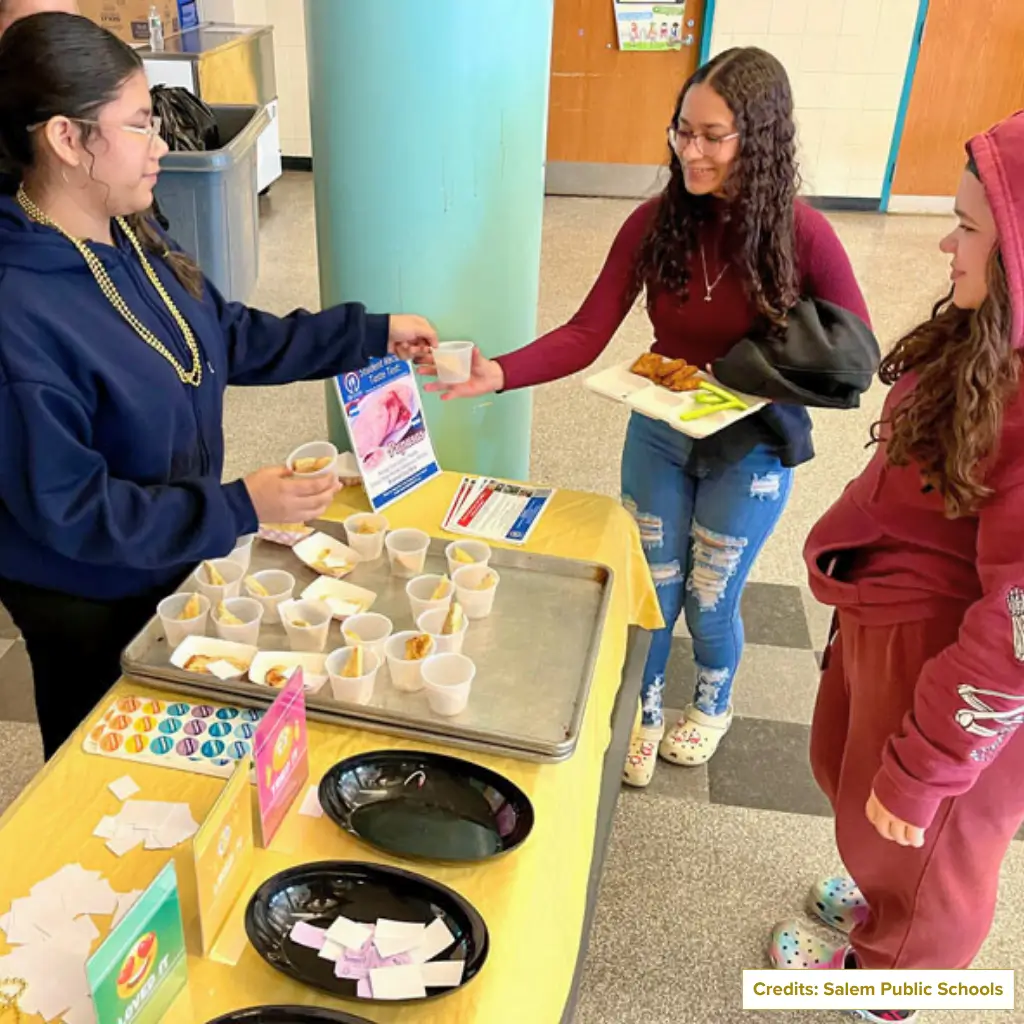
On the big day, transform your cafeteria into a lively, welcoming tasting zone. A little structure ensures things flow smoothly.
Here’s a quick checklist for success:
- Set up labeled stations with samples, napkins, and utensils.
- Have volunteers assist with distribution and cleanup.
- Display apparent allergy and ingredient information.
- Keep the line moving while encouraging conversation and excitement.
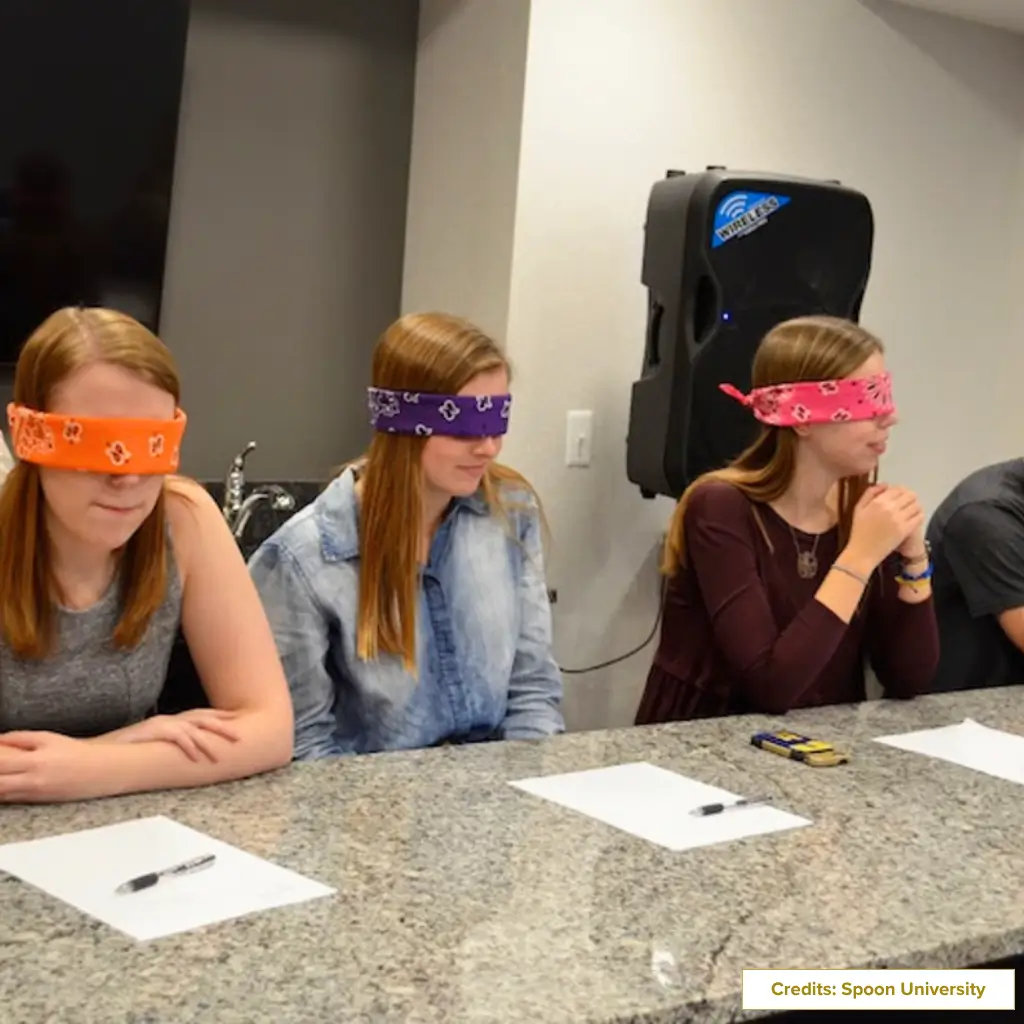
- Make it fun! Play upbeat background music in the cafeteria, have a “Guess the Flavor” game, or invite your principal to be the first taster. Maintain a friendly, inclusive, and lighthearted tone.
Encourage everyone to vote immediately after tasting so you don’t lose engagement. Whether students say “yum” or “not for me,” praise them for being adventurous.
7. Collect and Analyze Feedback
The whole purpose of a taste test is to listen and learn. Once students have sampled the food, gather their votes and comments.
You can use ballots, stickers, or short surveys. Ensure the process is quick — students should be able to provide feedback in under a minute.
Afterward, analyze the results. Did certain flavors score higher? Were there mixed reactions? Use this information to refine future menu ideas and identify student favorites.
Sharing what you’ve learned with your nutrition team helps guide future menu planning and keeps students’ voices at the center of decision-making.
8. Celebrate and Share the Results
Don’t let the feedback sit quietly — celebrate it!
Announce the “winning dish” during morning announcements or post it on social media. Display photos and quotes from students on cafeteria walls to recognize their contributions.
Sharing success stories creates enthusiasm and transparency. Students love seeing how their opinions shape the future menu — it reinforces that their feedback truly matters.
You might even host a “winner’s day” where the top-rated recipe is served as part of the regular lunch rotation.
9. Apply Insights and Keep the Momentum
A taste test shouldn’t be a one-time event — it should be part of your ongoing effort to nurture a positive school culture around food.
Consider hosting monthly or seasonal taste tests, or tie them into holidays and local harvest events. For example:
- “Try-It Tuesday” for simple bites, such as new fruits or veggies.
- “Global Fridays” featuring international flavors.
- “Garden Week” uses ingredients from your school garden.
Regularly featuring taste tests creates a rhythm of discovery, reinforcing curiosity and fostering a sense of community.
10. Reflect and Refine
After your event, take a moment to review what worked and what didn’t. Meet with your cafeteria team and student committee to discuss improvements for next time.
Consider how you can make future events more inclusive, more sustainable, or more connected to classroom learning. Keep evolving because every new event helps your community grow stronger and more food-curious.
Pro Tips for a Successful School Taste Test
A well-planned taste test is about more than just sampling food. Use these quick tips to keep your event organized, engaging, and memorable for everyone involved.
- Partner with the art teacher to build a vibrant bulletin board showcasing student artwork or a fun ingredient word search.
- Share event details through newsletters, social media, and flyers sent home to parents. Announce the event the day before and the morning of for extra buzz.
- Offer a variety of breakfast options so students can sample healthy morning options and discover new flavors.
- Involve students in preparing, serving, and surveying.
- Ask for help in newsletters or after-school updates — parents love being part of the action!
- Host taste tests on the same day each month to establish a routine and build anticipation.
- Use newsletters, take-home letters, morning announcements, and hallway posters to create a school-wide buzz.
- Use produce from your school garden or local farms to promote community and freshness.
- Post photos, results, and student reactions on social media. Tag # OK Farm to School and share your results online.
- Set up a tasting table near recess or entryways to reach more students quickly and make taste testing part of everyday school life.
Sample Timeline for Planning
- 4–6 Weeks Before: Choose a theme, set goals, and coordinate with cafeteria staff.
- 3 Weeks Before: Promote the event, recruit volunteers, and select recipes.
- 1 Week Before: Finalize supplies, print surveys, and prep signage.
- Event Day: Run the event with energy, positivity, and fun music.
- Afterward: Analyze results, announce winners, and celebrate your success!
Conclusion: Making Taste Tests a Tradition
Hosting a school-wide taste test is more than a fun day in the cafeteria. It’s an investment in your students’ health, voice, and confidence. It strengthens the bond between students and staff, and it encourages everyone to explore new foods with enthusiasm.
When you design events that listen to student voices and celebrate their input, you’re not just improving meals, you’re shaping a culture of respect, curiosity, and wellness.
From planning to feedback, every bite counts. With this guide, you’re fully equipped to create joyful, student-led events that redefine what a school meal can be.
FAQs
How long should a taste test last?
Keep it short and fun, about 30–45 minutes is perfect for tasting, chatting, and voting.
How do we get picky eaters to join in?
Use creative food names, peer encouragement, and small, no-pressure samples.
What should we do with student feedback?
Share the results publicly and demonstrate how their votes influenced future menus.