Introduction
Every parent, teacher, and school administrator wants the same thing for students:
- good health,
- sharp focus, and
- the energy to thrive each day.
One of the most direct ways to influence all three is through nutrition—particularly the food served during school hours. While students might cheer for cookies or chips in their lunchboxes, those quick-sugar foods can lead to a crash that leaves them tired and unfocused by the afternoon bell.
A truly balanced lunch goes beyond just filling stomachs—it fuels learning, attention, and growth. And at the heart of that balance is PROTEIN.
As a vital macronutrient, protein helps build and repair tissues, supports the immune system, and regulates energy levels. In the world of school nutrition, understanding its importance can transform how we design menus and cafeterias alike.
At Ingenious Culinary Concepts, our mission goes beyond beautiful cafeteria spaces. We help schools create dining environments where healthy choices are easy, enjoyable, and sustainable. This guide explores the importance of protein in school meals and how schools can effectively meet nutritional standards.

Why Protein Is Essential for Growing Students
A child’s school day is a marathon of mental focus, physical activity, and social engagement. To sustain that pace, their bodies and brains need steady fuel. A well-balanced lunch typically includes three components:
- protein,
- healthy fats, and
- complex carbohydrates.
Together, they work in synergy to maintain stable energy, mood, and concentration.
Protein, in particular, plays multiple roles:
- Growth and Development: Protein builds muscles, bones, and tissues, supporting the rapid growth that occurs throughout childhood and adolescence.
- Immune Support: It forms antibodies that help fight illness—essential for maintaining a strong immune system.
- Energy Stability: Protein slows digestion and prevents the blood sugar spikes and crashes associated with sugary snacks.
- Mood and Focus: Amino acids derived from protein contribute to neurotransmitters that affect attention and emotion regulation.
For growing bodies, the proper protein intake isn’t just beneficial—it’s essential. The body uses amino acids, the building blocks of protein, to form enzymes, hormones, and even new muscle fibers. Since nine of these amino acids are “essential” (meaning the body can’t produce them), students must obtain them through their diet.
Unlike quickly digesting carbohydrates, protein provides a slow, steady release of energy. That means fewer yawns and more active participation during afternoon lessons—a win for both students and teachers.
The Link Between Protein, Learning, and Classroom Performance
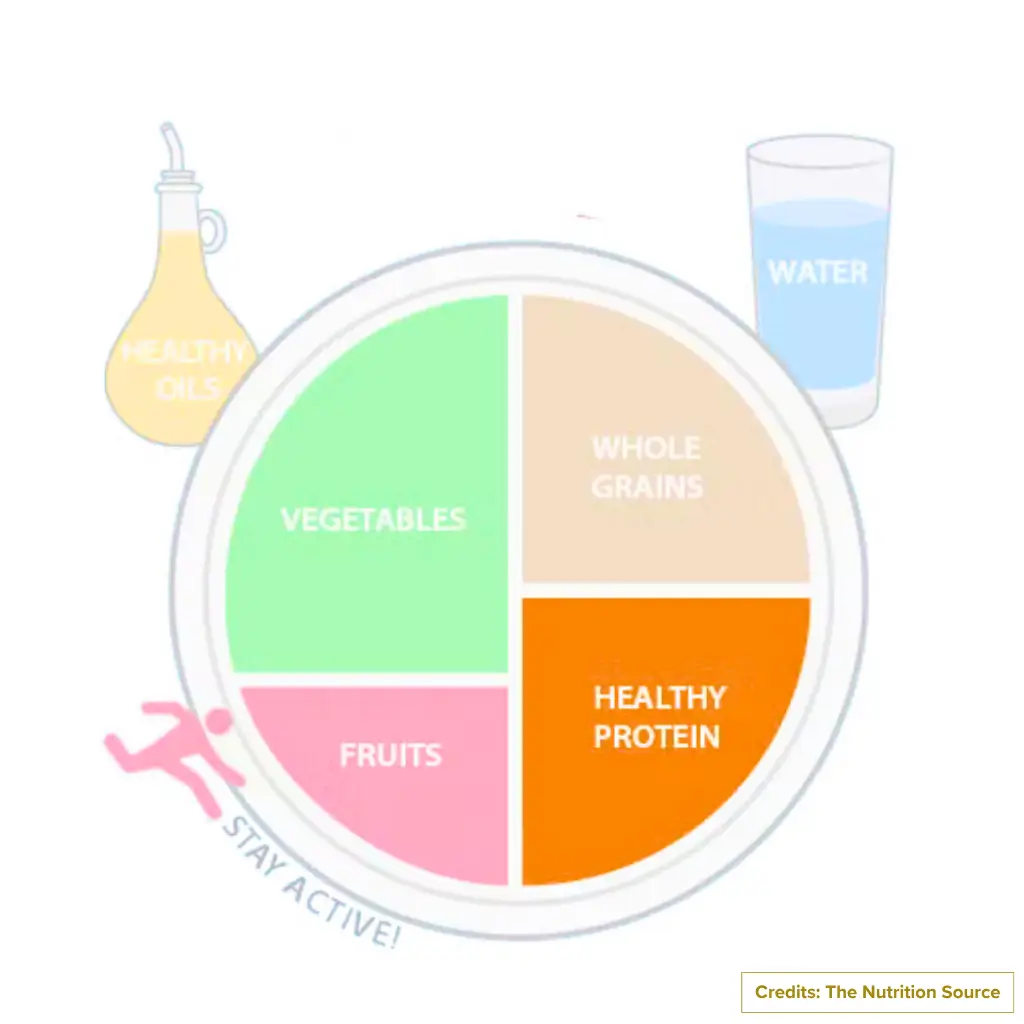
Nutrition science has long demonstrated a direct connection between what students eat and their learning abilities. Protein-rich meals, in particular, have measurable effects on classroom performance:
- Improved Brain Function: Amino acids such as tryptophan and tyrosine help produce serotonin and dopamine—neurotransmitters linked to mood, motivation, and attention.
- Energy Regulation: By slowing digestion, protein helps students maintain stable energy between meals, preventing the classic post-lunch slump.
- Better Behavior and Attendance: Studies have shown that students who eat balanced lunches with adequate protein are more attentive and experience fewer behavioral issues.
For schools, incorporating the right amount of protein isn’t just a dietary choice—it’s a strategy to enhance learning outcomes.
How Much Protein Do Students Really Need?
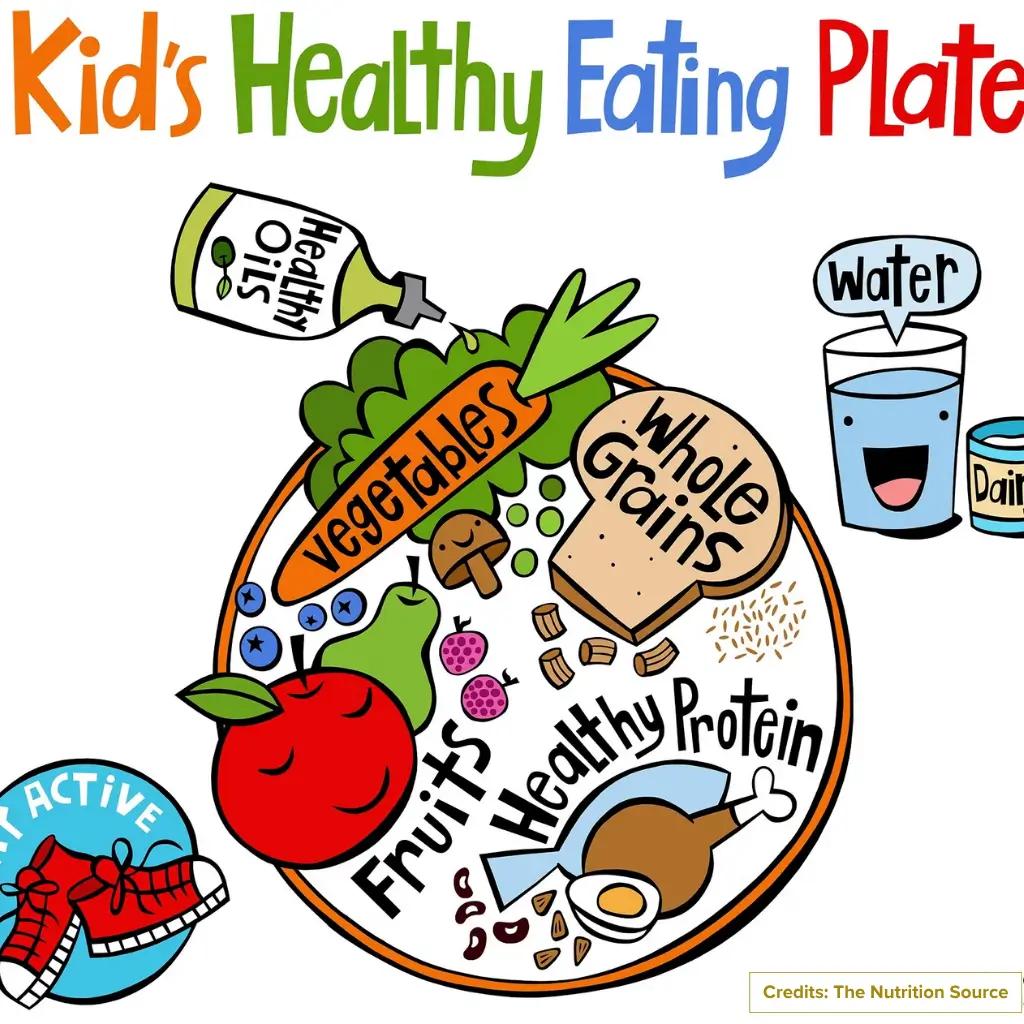
Protein needs vary depending on age, size, and activity level. The U.S. Dietary Guidelines and the National School Lunch Program (NSLP) provide clear recommendations that schools can follow to ensure adequate intake:
| Age Group | Daily Protein Recommendation | Typical Lunch Portion |
| 4–8 years | 19 grams per day | 7–10 grams |
| 9–13 years | 34 grams per day | 10–14 grams |
| 14–18 years (female) | 46 grams per day | 12–15 grams |
| 14–18 years (male) | 52 grams per day | 15–18 grams |
To meet these goals, a typical school lunch could include:
- 2–3 ounces of lean poultry, meat, or fish
- ½ cup of beans or lentils
- 1 egg
- 1 cup of milk or yogurt
Importantly, the quality of protein matters just as much as the quantity. Complete proteins—found in foods like eggs, lean meats, dairy, soy, and legumes—contain all nine essential amino acids needed for optimal growth.
Protein Guidelines and Nutrition Policies for Schools
School cafeterias play a crucial role in meeting children’s nutritional needs. Federal programs ensure that every student receives a well-rounded meal that supports both physical and academic growth.
Under USDA guidelines for the NSLP, schools must offer:
- Grades K–5: 8–10 ounces of protein equivalents per week
- Grades 6–8: 9–10 ounces per week
- Grades 9–12: 10–12 ounces per week
These “meat/meat alternates” can come from animal or plant sources. Schools are also encouraged to vary protein types and limit sodium, saturated fats, and processed meats.
Beyond federal requirements, many districts have adopted wellness initiatives to promote healthy eating in school. These may include offering at least one plant-based entrée each week, using low-fat protein sources, and integrating nutrition education into daily routines.
Practical Tip:
Menu planners can rotate protein options for variety and balance—such as grilled chicken on Monday, bean burritos on Tuesday, baked fish midweek, and tofu stir-fry by Friday. This approach keeps menus fresh and students excited.
For inspiration, nutrition staff can explore USDA school cafeteria recipes to find compliant, cost-effective dishes.
Top High-Protein Foods for School Lunches
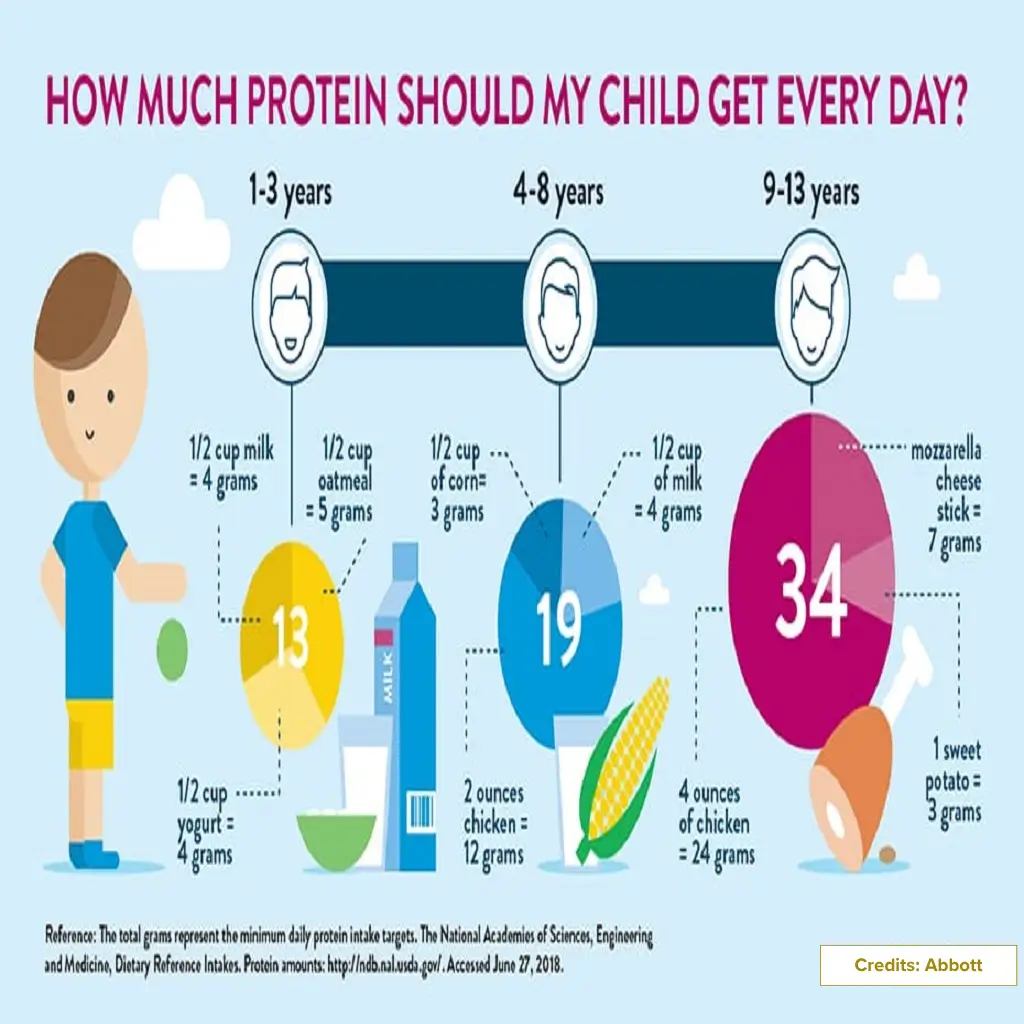
Serving high-protein meals doesn’t have to be repetitive or bland. Schools can combine creativity with nutrition to create lunches that are both appealing and wholesome.
Lean Animal Proteins
- Chicken and Turkey: Student favorites that are versatile for wraps, salads, or tacos.
- Fish: Baked or grilled varieties offer protein plus omega-3s that support brain health.
- Eggs: Ideal for breakfast or lunch programs—affordable and quick to prepare.
- Low-Fat Dairy: Yogurt, milk, and cheese provide both protein and calcium, essential for strong bones.
Plant-Based Proteins
- Beans and Lentils: Excellent fiber sources that work beautifully in soups and burrito bowls.
- Tofu and Edamame: Great for vegetarian dishes and customizable menus.
- Nut Butters and Seeds: Perfect for energy-rich snacks (just be cautious of food allergens).
- Whole Grains: Quinoa and farro pair well with beans for a complete amino acid profile.
Combination Dishes
Mixed-ingredient meals often strike the best balance of taste and nutrition:
- Turkey chili with beans
- Chicken and lentil pasta bowls
- Yogurt parfaits layered with fruit and granola
- Tofu and veggie stir-fry
Offering diversity ensures every student—regardless of dietary preference—gets a satisfying, protein-rich option.
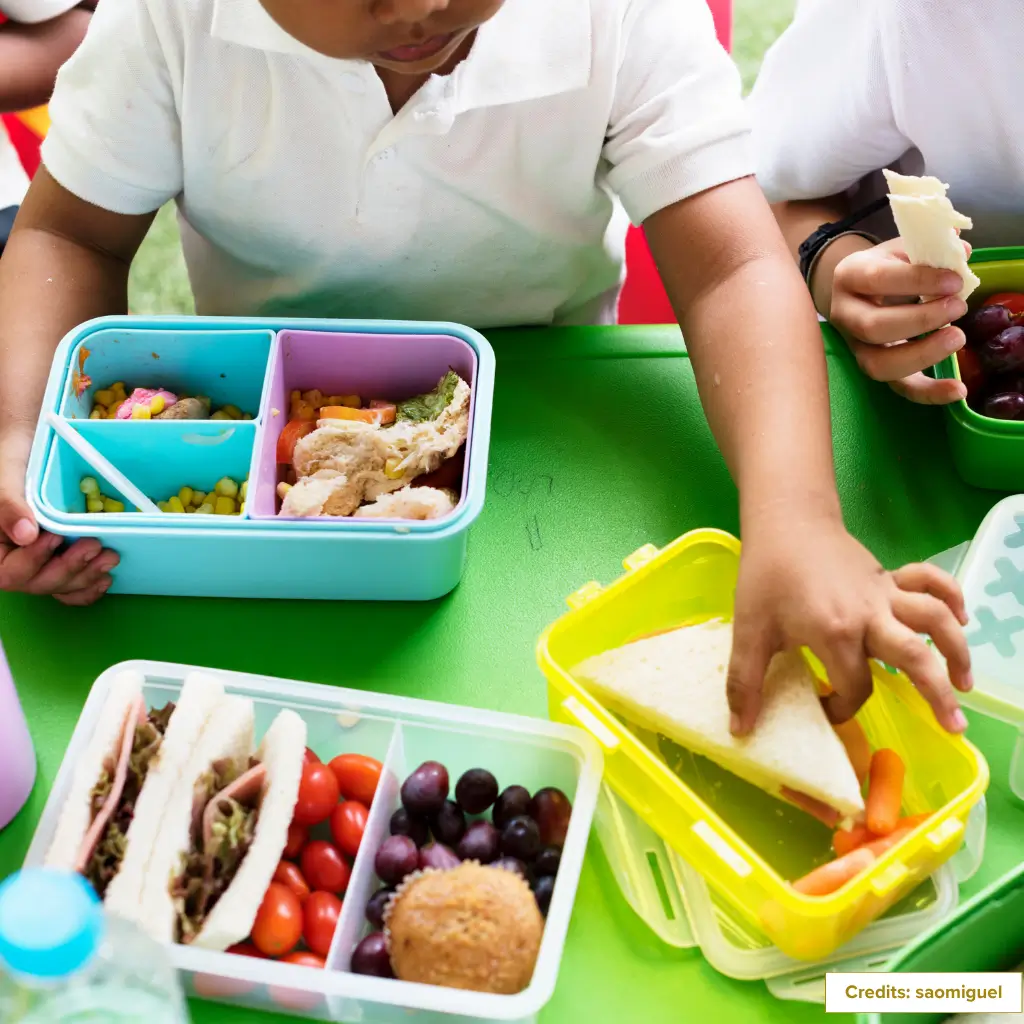
Tips for Creating Protein-Rich, Kid-Friendly Menus
Designing menus that appeal to students while meeting nutrition goals requires creativity and insight. Here are strategies schools can use:
1. Start with Familiar Favorites
Students love comfort foods. Serve classics like wraps, pasta, or tacos—but use lean meats or beans to add a nutritious twist. This approach combines familiarity with healthier choices, a concept that resonates even in elementary school cafeteria food programs.
2. Incorporate Global Flavors
A teriyaki chicken bowl or Mediterranean chickpea wrap brings variety without straying too far from students’ preferences. It also exposes them to new cuisines, mirroring school lunches across the globe.
3. Pair Protein with Color
A vibrant plate appeals to the eyes and palate. Pair grilled chicken with roasted vegetables or lentil chili with bright corn and greens.
4. Offer Customization
Build-your-own salad or grain bowl stations empower students to make choices they enjoy—encouraging independence while giving them a chance to run a student-run cafeteria in the lead.
5. Highlight Breakfast Proteins
Adding breakfast options to cafeterias, such as yogurt parfaits, egg wraps, or nut butter toast, helps students start the day with energy and focus.
6. Communicate and Educate
Share nutrition facts and fun tips through posters, bulletin boards, or morning announcements to engage students. When students understand why protein matters, they’re more likely to choose it.
7. Manage Waste Smartly
Offer customizable portions so students can take what they can finish. This reduces food waste and ensures each child gets adequate nutrition.
8. Encourage Fun Naming and Presentation
ICC’s cafeteria design experts have demonstrated that creative branding is highly effective. Menu items like “Power-Up Pasta” or “Brain-Boosting Chicken Wraps” make healthy choices appealing and memorable.
To explore creative menu planning further, schools can look at the best lunch menu options for inspiration that balance taste, variety, and nutrition.

How ICC Supports Nutritious Cafeteria Experiences
As leaders in cafeteria design, we believe that the environment is just as influential as the food itself. A thoughtfully designed cafeteria can subtly guide students toward healthier decisions without removing choice or fun.
ICC’s Design Philosophy
- Visibility: Layouts that put nutritious, protein-rich foods front and center.
- Flow: Streamlined serving lines that keep students moving while encouraging exploration.
- Appeal: Modern lighting, signage, and color palettes that make balanced meals look irresistible.
- Education: Subtle messaging that teaches the “why” behind healthy eating.
- Experience: Warm, inclusive spaces that make mealtime a social and enjoyable experience.
This approach supports the ICC’s mission to create cafeteria environments that enhance school cafeteria food culture—spaces where nutritious choices naturally thrive. It’s not just about what’s on the tray; it’s about making healthy eating an experience that students eagerly anticipate.
Building the Future: Making Protein a Priority
As we look toward the future of school cafeterias, it’s clear that design and nutrition must work hand in hand. Schools that prioritize balanced meals and create spaces that celebrate these meals can have a profoundly positive influence on lifelong habits.
Protein will remain a cornerstone of that progress. Whether it’s through plant-based innovation, global flavors, or clever cafeteria layouts, schools have the opportunity to shape generations of healthier, more focused learners.
As experts in cafeteria design, we help schools create dining environments that make nutritious choices enjoyable and accessible because when the space works well, healthy habits follow naturally.
To learn more about how we can transform your school dining experience, CONTACT US TODAY.
FAQs
Why is protein vital for students?
Protein supports muscle and tissue growth, brain function, immune health, and energy stability—key for developing bodies and active school days.
What’s the best source of protein for school lunches?
A mix of animal and plant proteins works best. Lean meats, fish, eggs, beans, lentils, tofu, and dairy all provide essential amino acids.
How can schools meet protein guidelines on a budget?
Opt for affordable, versatile options like eggs, beans, and legumes, and use bulk purchasing or seasonal menus to manage costs efficiently.