Introduction
Sugar seemed to be everywhere. Blueberry muffins and juice boxes started the morning. Lunch brought peanut butter and jelly sandwiches alongside fruit punch and cookies. Recess meant fruit snacks yet again.
If you work in school lunches, this sounds painfully familiar.
On paper, reducing sugar in school cafeterias seems simple! Swap out sweet foods, cut back on desserts, and offer water instead of juice.
In reality?
It’s one of the hardest nutrition shifts schools attempt. Sugar isn’t just about taste. It’s tied to routine, comfort, nostalgia, and what students expect school food to taste like. Remove it too suddenly, and participation drops. Food waste rises. Complaints from students, parents, and even staff start piling up.
And let’s be honest, no school wants to fight daily battles with picky eaters in school cafeterias.
The good news is this: schools around the world are proving that lower sugar menus don’t have to mean unhappy students or bland meals. With thoughtful planning, gradual change, and intentional cafeteria design, sugar can be reduced without sacrificing taste, satisfaction, or participation.
This guide is built for the real world. No unrealistic rules. No budget-breaking ideas. Practical strategies schools can actually implement to reduce sugar in school lunches and improve school cafeteria food while keeping students engaged and excited to eat.
Why Reducing Sugar in School Lunches Matters
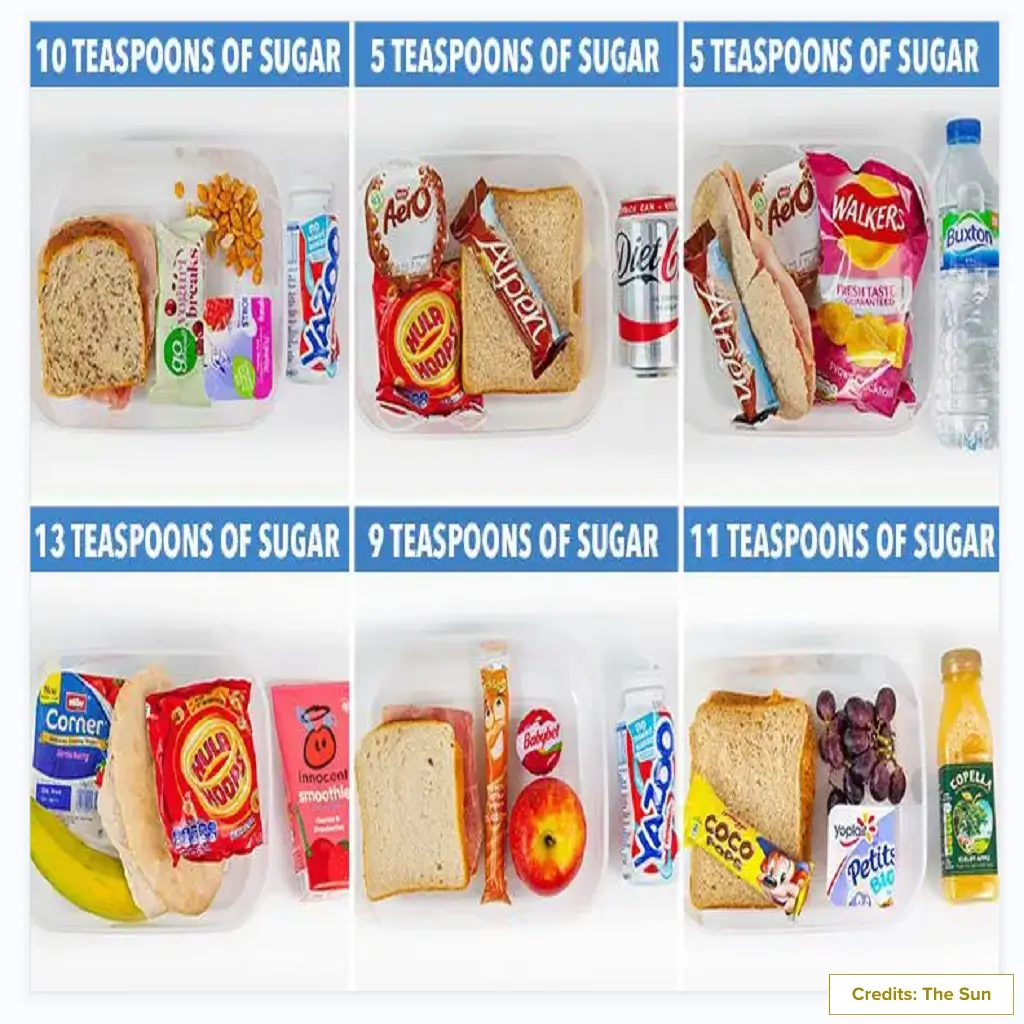
Across the globe, children are consuming far more added sugar than health organizations recommend. On average, kids and teens consume about 17 teaspoons of added sugar per day, nearly triple the suggested limit. Much of this intake happens during the school day.
Schools play a powerful role in shaping habits. Daily exposure to balanced meals can counteract the impacts of ultra-processed food and help students build healthier relationships with food without turning lunch into a lecture.
Key Reasons to Reduce Sugar in School Lunches
- Children exceed sugar limits early in the day
Many students consume most of their daily sugar before dismissal.
- Sugar adds calories, not nourishment.
Excess sugar crowds out essential nutrients like fiber, vitamins, and minerals.
- Energy spikes and crashes hurt learning.
Teachers regularly observe post-lunch restlessness linked to high sugar meals.
- Younger students are especially vulnerable
Early exposure to sugary foods shapes lifelong preferences.
- Sugar hides everywhere
From sauces to drinks to “healthy-looking” snacks, sugar often goes unnoticed.
- Balanced meals outperform strict rules
Whole foods, variety, and adequate protein in school meals support long-term success better than bans.
Common Sources of Hidden Sugar in School Cafeterias
Let’s discuss the five unbelievable sources of sugar:
1. Sugary Beverages and Flavored Milk
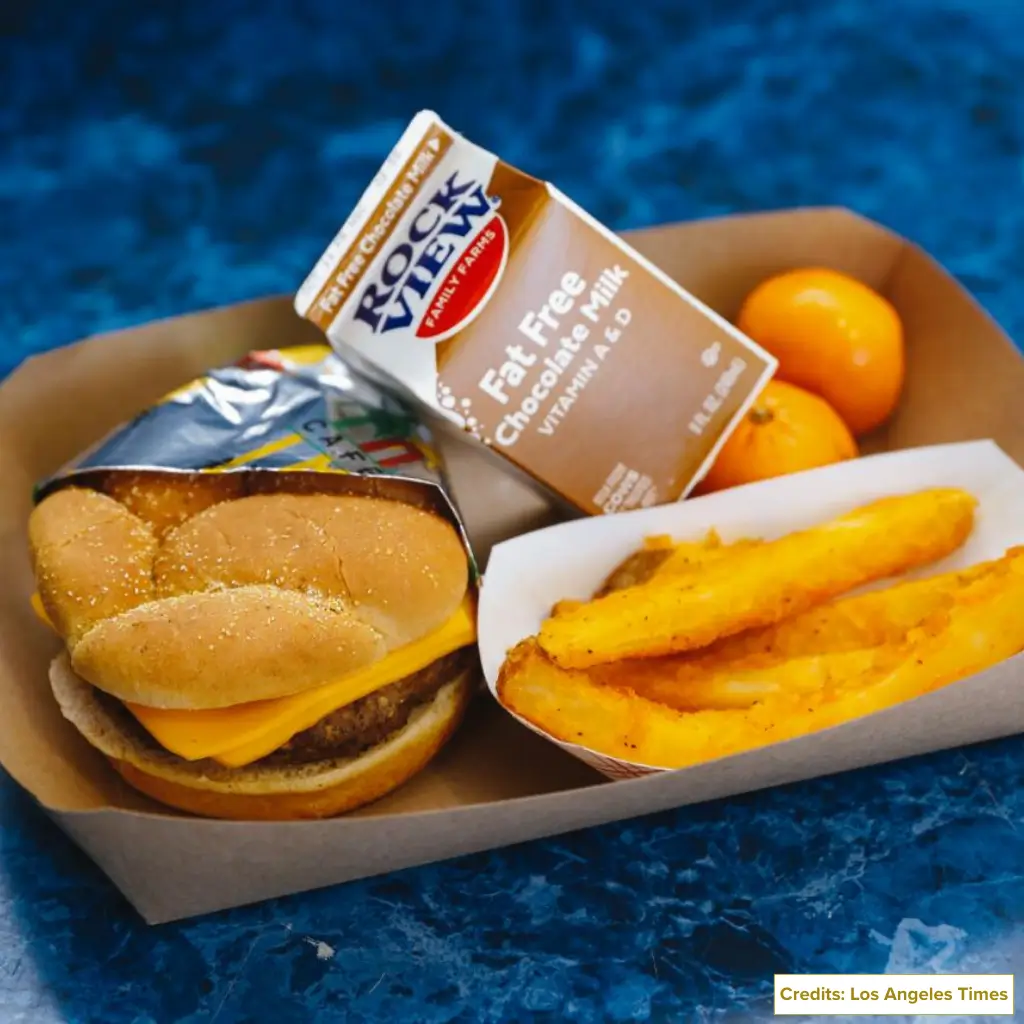
Beverages are among the most significant sources of sugar in schools. Chocolate milk, juice drinks, sweetened teas, and sports drinks quietly add teaspoons of sugar to every meal. While milk itself is nutrient-dense, flavored versions often contain nearly 12 grams of added sugar per cup.
Rather than eliminating options overnight, which can cause backlash, schools can reduce portion sizes, rotate offerings, or gradually introduce lower-sugar versions. Addressing soda in schools is often the fastest way to reduce total sugar intake.
2. Processed and Pre-Packaged Foods
Granola bars, muffins, pastries, and packaged snacks dominate many cafeterias because they’re convenient and familiar. Unfortunately, they’re also major contributors to added sugar and reinforce dependence on ultra-processed foods.
3. Fruit Juice
Even 100% fruit juice contains concentrated sugar with little fiber. Sugar-sweetened juice drinks are especially problematic, often matching soda in sugar content. Whole fruit provides the same vitamins as fiber, which slows sugar absorption.
4. Sauces, Dressings, and Condiments
Ketchup, barbecue sauce, salad dressings, and pasta sauces can contain more sugar than desserts when used frequently. Offering them on the side or switching to lower sugar versions gives schools more control without upsetting students.
5. Breakfast and Dessert Items
Breakfast programs in cafeterias often rely on sugary cereals, waffles, and baked goods. Meanwhile, desserts in school cafeteria settings, even occasional ones, can undo progress if not thoughtfully planned.
Canned fruit in syrup is another hidden issue. Choosing fruit packed in juice or serving fresh options reduces unnecessary sugar instantly.
How to Reduce Sugar in School Lunches Without Losing Taste
Reducing sugar works best when it’s gradual, thoughtful, and flavor-focused.
1. Use Fruit Juice Strategically
Fruit juice can help replace added sugar when used intentionally. Mixing juices like orange and blueberry creates depth and sweetness without relying on refined sugar.
2. Use Natural Sweeteners in Moderation
Honey and maple syrup still count as added sugars, but they deliver a stronger flavor, meaning less is needed. Plain yogurt, lightly sweetened with honey, vanilla, or fruit, offers more complexity than heavily sweetened commercial versions.
3. Replace Sugary Drinks With Infused Water
Juice boxes often exceed the recommended sugar limit per serving. Instead, schools can offer infused water with fruit or herbs. These small changes significantly reduce sugar without feeling restrictive.
4. Serve More Fruits and Vegetables
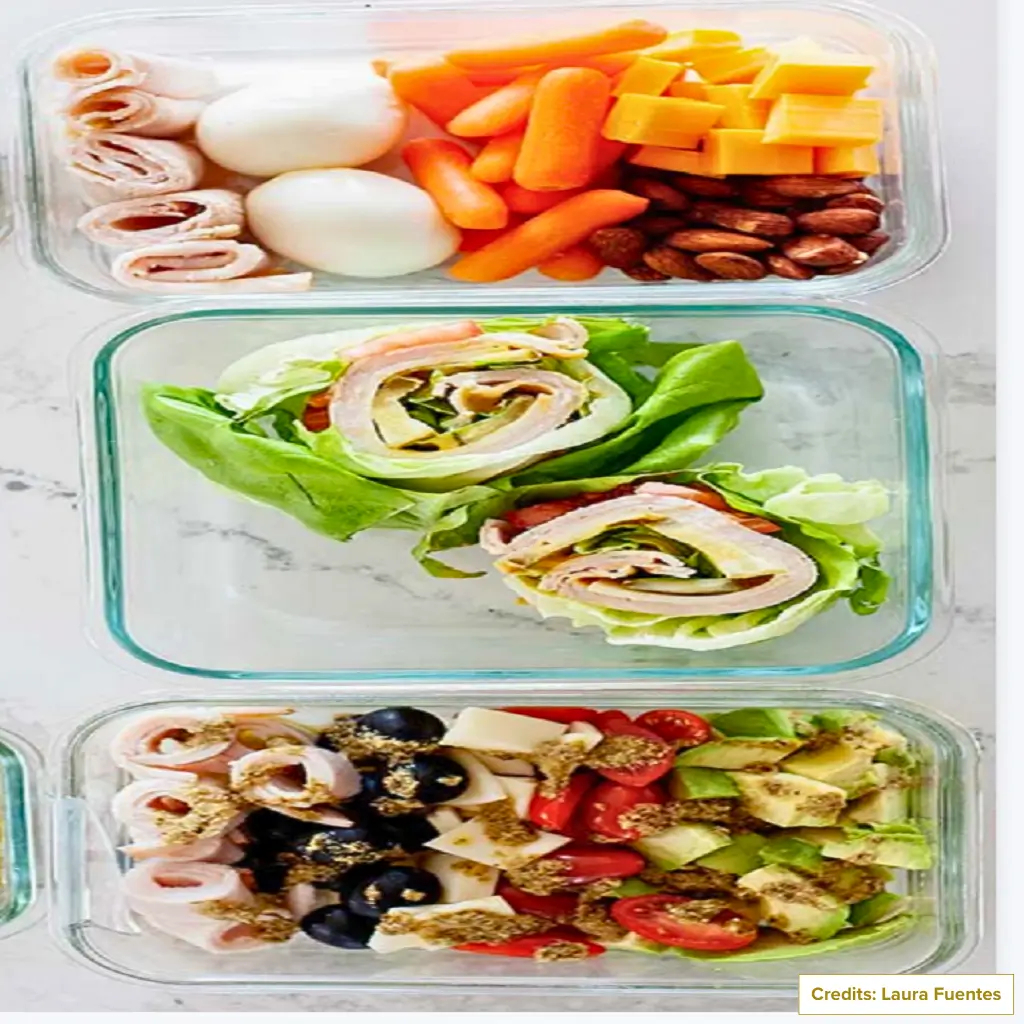
Whole fruits and vegetables provide fiber, water, and natural sweetness. Chewing increases satiety and satisfaction. Aim for half the plate to come from produce whenever possible.
5. Choose Whole Foods Over Processed Options
Whole foods reduce hidden sugars and help students recognize authentic flavors again. This shift supports promoting healthy eating in school initiatives across all age groups.
6. Gradually Reduce Sugar
Cutting sugar by 10% to 15% at a time often goes unnoticed. Over months, taste preferences reset naturally without complaints.
7. Enhance Flavor Without Sugar
Cinnamon, vanilla, citrus zest, ginger, garlic, herbs, and umami-rich ingredients build flavor depth without sweetness.
8. Replace Added Sugar With Whole-Food Sweetness
Applesauce, bananas, dates, and berries work beautifully in baked goods and sauces. Roasting vegetables also enhances their natural sweetness without adding anything.
9. Start With Beverages
Reducing sugar in drinks offers the fastest return. Encourage water with attractive dispensers and positioning.
Menu Planning Strategies for Low Sugar School Lunches
Thoughtful menu planning is where sugar reduction truly succeeds or fails. At ICC, we’ve seen schools invest in better ingredients but struggle with acceptance simply because menus weren’t planned with student behavior, timing, and real cafeteria flow in mind. Strong menu planning doesn’t eliminate foods students love; it reshapes how often, how much, and how they’re paired.
1. Rethinking Breakfast Without Overloading Sugar
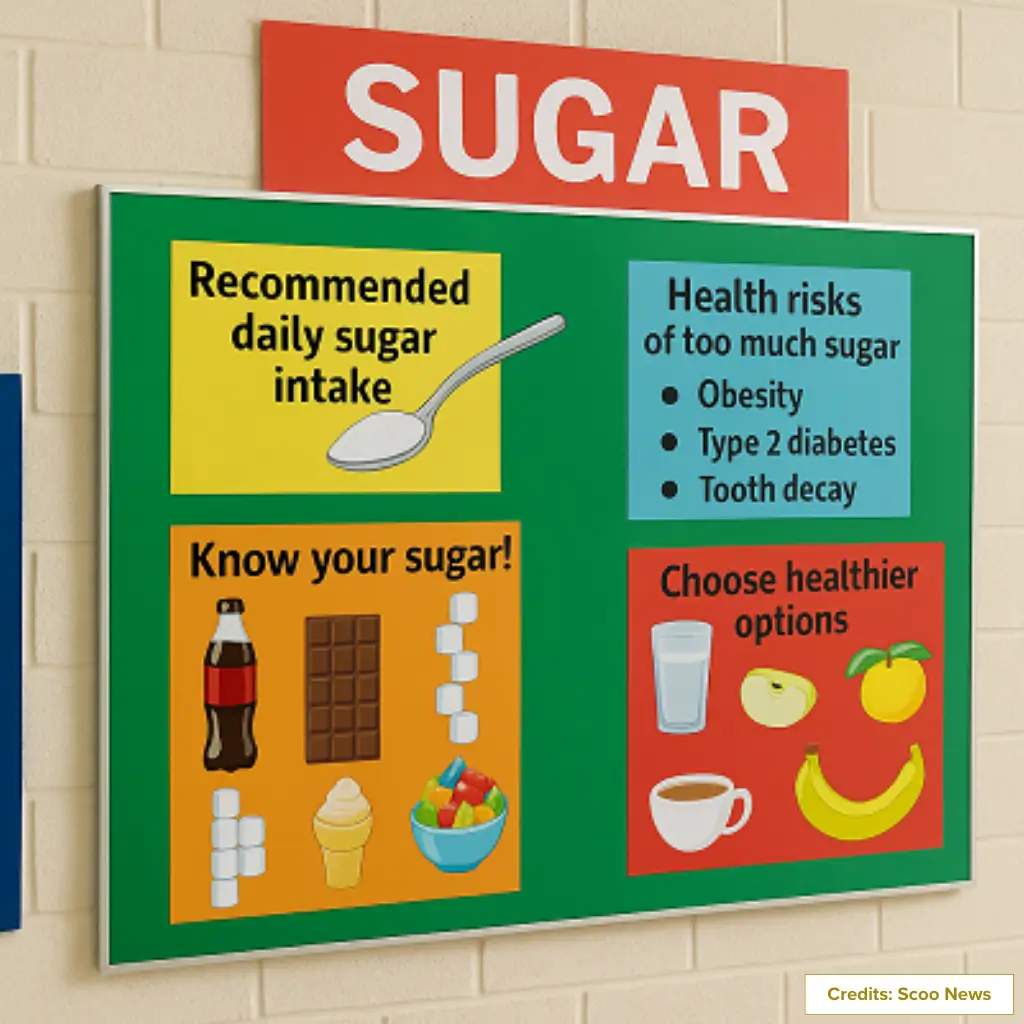
Breakfast often relies heavily on sweet foods because they’re quick, familiar, and easy to serve. Unfortunately, many popular breakfast items can push students close to or beyond daily sugar limits before classes even begin.
A better strategy is to anchor breakfast around low-sugar staples like oats, porridge, or wheat biscuits, then build flavor with toppings rather than sugar.
2. Balance Sweetness With Protein and Fiber
One of the most effective ways to manage sugar is not by removing sweetness, but by balancing it. Pairing fruit with protein-rich items reduces blood sugar spikes and improves focus in the classroom.
3. Portion Control That Doesn’t Feel Restrictive
Students often react negatively to foods being taken away. Instead of removing sweet items entirely, smart portion control can quietly reduce sugar intake without triggering resistance.
Smaller portions of baked goods or sweet sides, served alongside filling proteins and whole grains, leave students satisfied without overconsumption.
4. Make Vegetables and Fruit the Foundation
Whole fruits and vegetables naturally contain sugar, but they also provide fiber, water, and nutrients that slow digestion and increase satiety. Menu planning should include produce in every meal and snack opportunity.
5. Seasonal Menu Rotation for Flavor and Cost Control
Seasonal produce tastes better, costs less, and often requires less added sugar to shine. Menu planning that rotates with the seasons naturally improves flavor while reducing the need for sweeteners.
6. Design Menus That Match Cafeteria Flow
A menu that looks great on paper can fail if it doesn’t match real cafeteria operations. We always plan menus alongside layout and service flow to ensure items are easy to serve, grab, and enjoy.
7. Use Feedback to Refine Menus
Menu planning should never be static. Conducting regular cafeteria surveys allows schools to understand what students actually enjoy, what is wasted, and where improvements can be made.
Student feedback increases buy-in and helps refine low-sugar options without guessing.
Redesigning the School Cafeteria to Encourage Healthier Choices
At Ingenious Culinary Concepts, school cafeteria redesign is our expertise. We help schools reduce sugar by designing environments that make healthier choices feel natural, not forced.
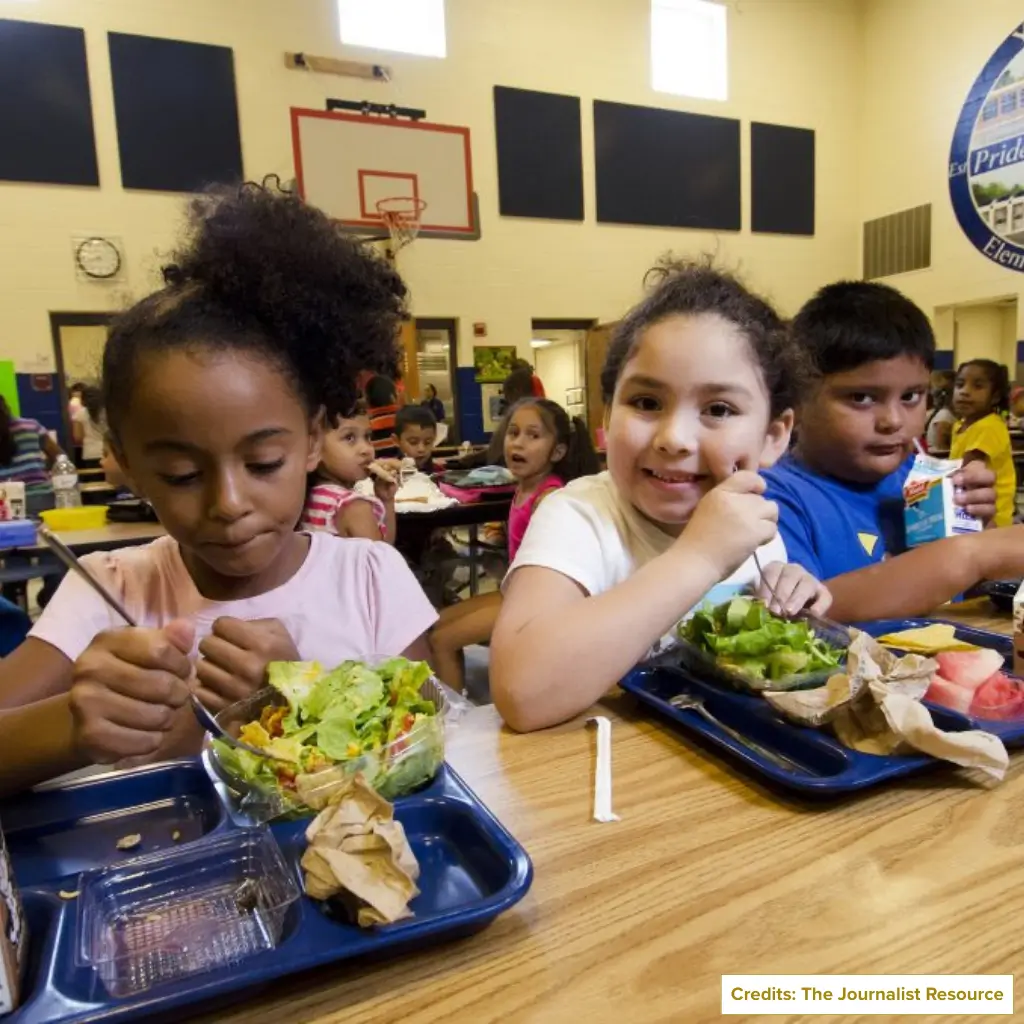
We know that how food is presented matters just as much as what is served. Layout, lighting, flow, and signage all influence student decisions. When lower sugar options are placed at eye level, at the front of the line, and in well-lit, organized displays, students choose them more often without restrictions or lectures.
By reducing friction and improving presentation, we make fruit, yogurt, and whole-grain options easier to grab than sugary items. The result is better choices, higher satisfaction, and long-term wellness.
If your school is planning a renovation or rethinking food service, our experts design cafeterias that support health, satisfaction, and long-term wellness.
Engaging Students, Staff, and Parents in Sugar Reduction Efforts
Sugar reduction works best when it’s collaborative.
- Empower student councils and wellness committees
- Train school cafeteria workers in flavor first, low-sugar cooking
- Communicate transparently with families
- Highlight learning, focus, and energy, not just nutrition
- Celebrate small wins
- Emphasize balance, not restriction
This approach helps shift away from reliance on fast food in schools and builds trust across the community.
Conclusion
Reducing sugar in school cafeterias isn’t about perfection; it’s about progress. When schools focus on flavor, environment, and gradual change, students adapt. Participation stays strong. Waste drops. Energy improves.
Whether you’re managing school cafeteria food in an elementary school or reimagining a busy high school cafeteria, the goal remains the same: create meals that students enjoy today and benefit from for life.
FAQs
Do we need to remove all desserts from the cafeteria?
No. Reducing sugar is about moderation, not elimination. Desserts can still be offered in smaller portions, less often, or prepared using whole-food ingredients like fruit and spices.
How can we reduce sugar without increasing costs?
Sugar reduction strategies actually lower costs. Using seasonal produce, cutting back on packaged foods, and reducing sugary beverages often saves money while improving nutrition.
Is a cafeteria redesign essential to reduce sugar intake?
Redesign isn’t required, but it is highly effective. Simple changes in layout, food placement, lighting, and signage can encourage healthier choices without limiting student options.