Introduction
School cafeterias are evolving rapidly, reflecting broader changes in technology, labor, and educational priorities. What was once a purely manual operation is now being reshaped by automation, data-driven decision making, and innovative equipment design. Robotics, in particular, has emerged as a topic of growing interest for school districts seeking to modernize foodservice operations while addressing persistent challenges such as staffing shortages, rising costs, and efficiency constraints.
At ICC, we work closely with school districts to help them responsibly navigate this transformation. As cafeteria redesign and foodservice planning experts, we understand that robotics is neither a universal solution nor a passing trend. Instead, they represent one of many tools districts may consider as part of broader school cafeteria modernization efforts.
This guide examines both the advantages and limitations of robots in school cafeterias, providing a realistic and future-focused perspective grounded in operational realities.
Why Schools Are Exploring Robots in Cafeterias
School foodservice programs are under increasing pressure. Robotics is being explored as a means to alleviate strain on existing staff while enhancing consistency and throughput.
Below are some main reasons schools are approaching robots in their lunchrooms:
· Staffing Pressures and Operational Demands
Many school districts face persistent staffing shortages in foodservice roles. Recruiting and retaining cafeteria employees has become increasingly complex, particularly for physically demanding and repetitive tasks. Robotics is being explored as a way to reduce strain on existing teams while maintaining service levels.
· Efficiency and Time Constraints
School cafeterias operate within tight schedules, serving large student populations in short windows. Automation can streamline workflows, reduce bottlenecks, and support smoother service during peak lunch periods.
· Innovation and Future Readiness
Some districts view robotics as part of preparing students for a world where AI is revolutionizing school cafeteria environments across industries. ICC helps schools evaluate whether innovation aligns with their educational values and operational realities, rather than novelty alone, before making any investment.
What Types of Robots Are Used in School Cafeterias?
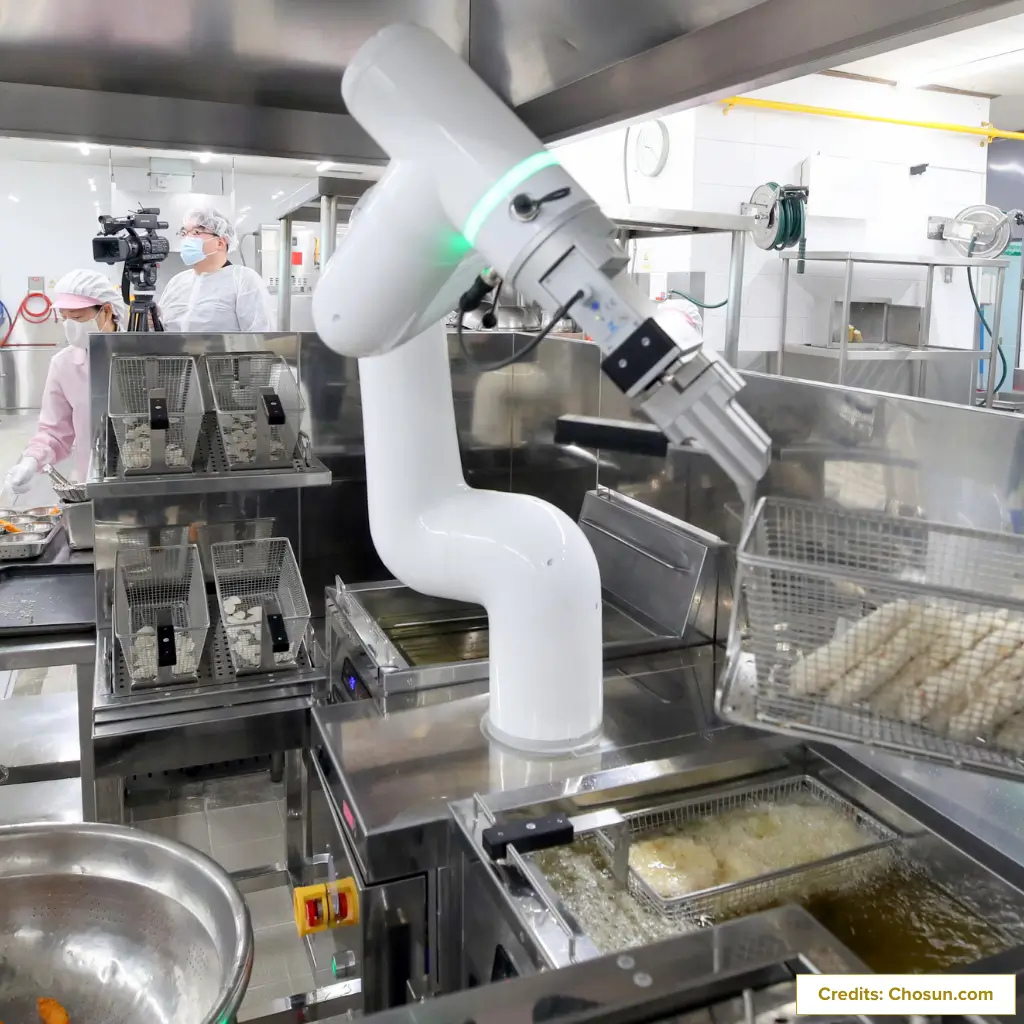
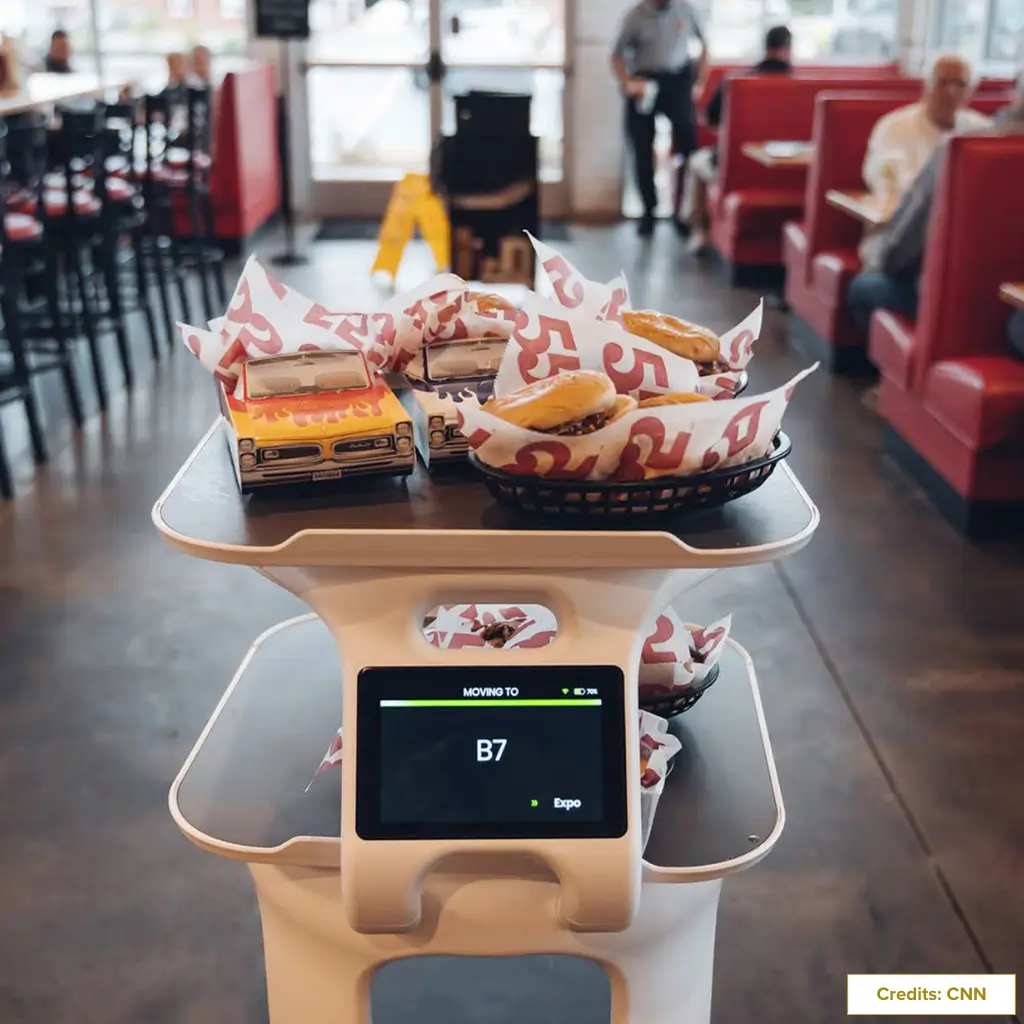
Robotics in school cafeterias varies widely in form and function. Most current applications focus on task specific automation rather than fully autonomous kitchens.
· Food Preparation Robots
These systems assist with chopping, mixing, or cooking predefined menu items. They are designed for consistency and speed, particularly when menus are standardized.
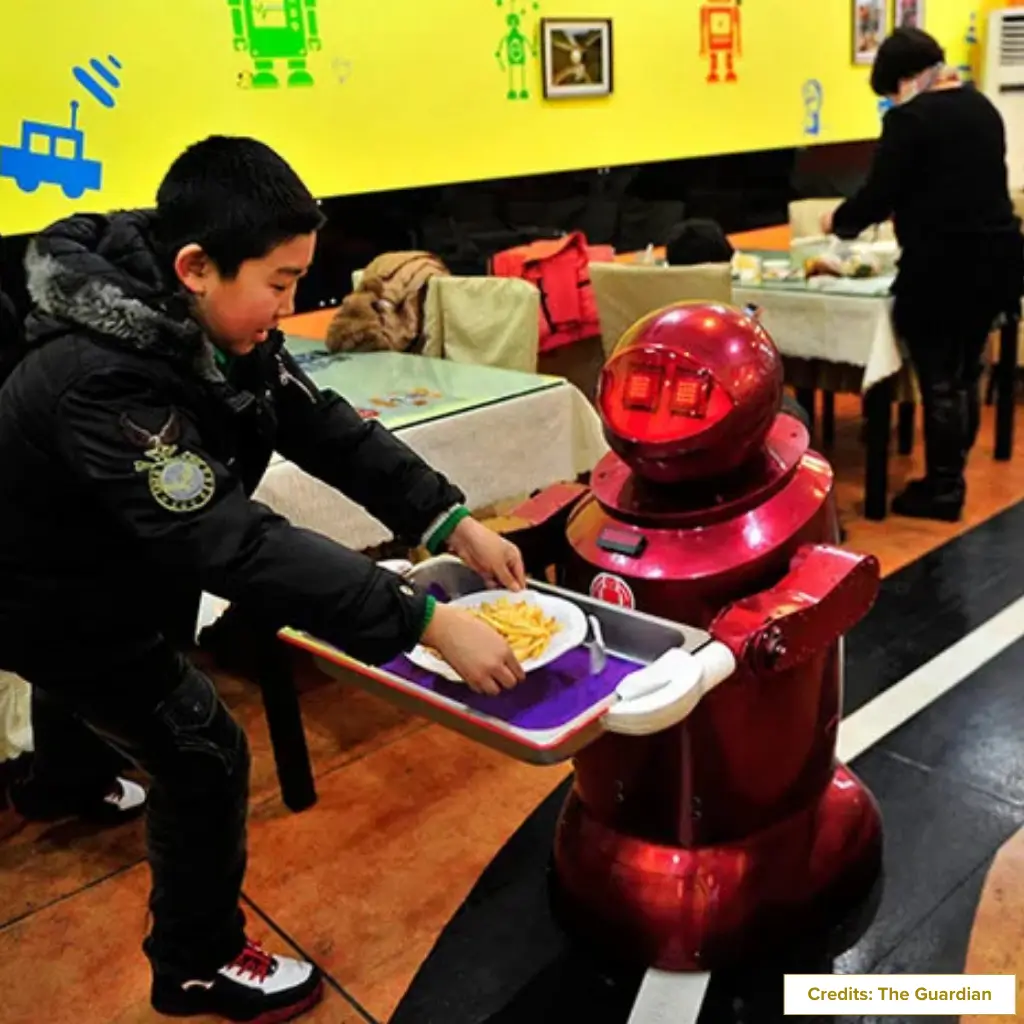
· Automated Serving and Dispensing
Robotic dispensers can portion entrees or sides with precision, supporting nutrition compliance and cost control.
· Cleaning and Sanitation Robots
Autonomous floor cleaners and dishroom support equipment reduce physical strain and support hygiene protocols, particularly during off-hours.
· Back-of-House Automation
Conveyor-based tray returns and automated dishwashing support systems streamline cleanup without affecting student-facing interactions.
ICC evaluates how these technologies integrate with spatial layout, utilities, and workflow to ensure they enhance and not disrupt daily operations.
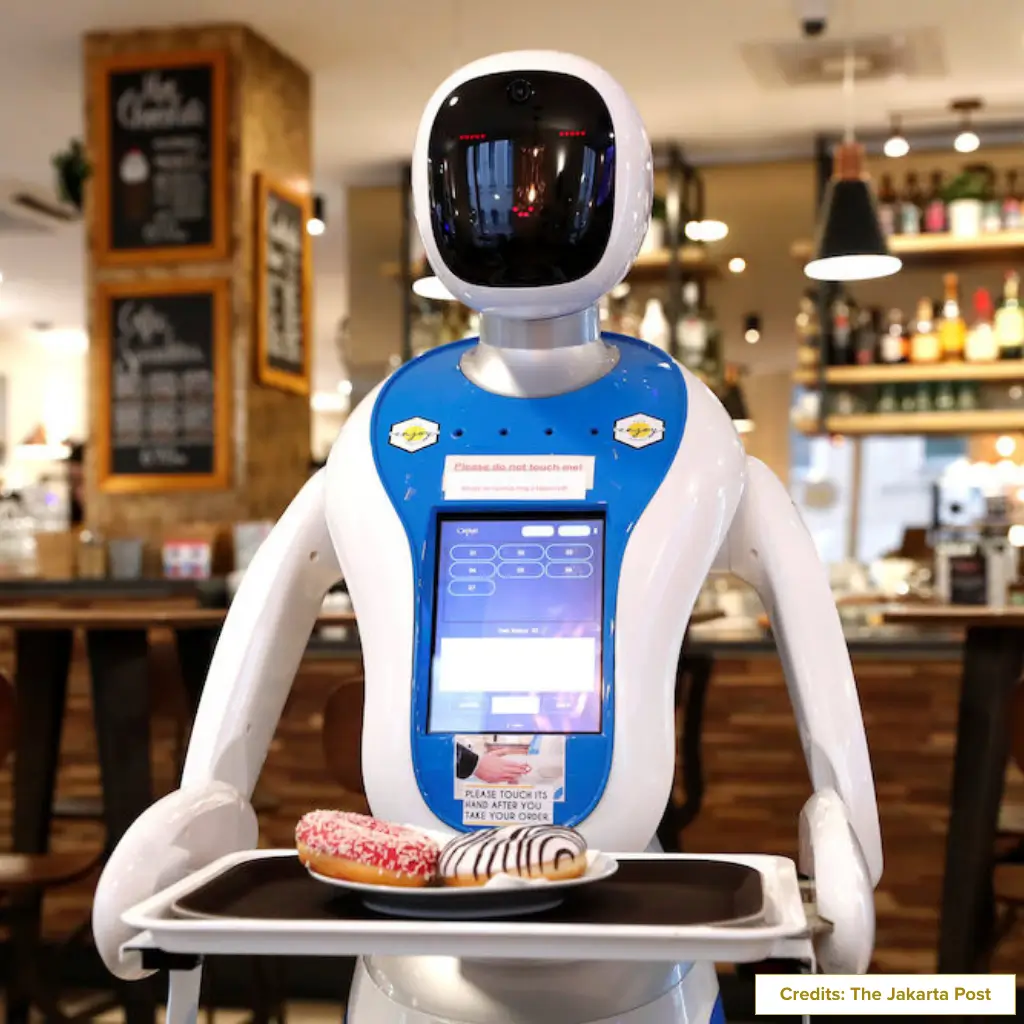
Pros of Using Robots in School Cafeterias
Robotics offers several potential benefits when thoughtfully implemented within a well-designed cafeteria environment.
1. Improved Efficiency and Speed
Robots perform repetitive tasks at consistent speeds, helping cafeterias serve large student populations within limited lunch windows.
2. Support for Staffing Challenges
Automation can help offset labor shortages by reducing fatigue and physical strain, thereby supporting the long-term sustainability of cafeteria teams and addressing concerns related to mental health among staff.
3. Consistency and Portion Control
Robots deliver precise portions every time, helping districts meet nutritional guidelines and reduce food waste in schools by minimizing over-serving.
4. Enhanced Food Safety and Sanitation
Reduced human contact with food and automated cleaning processes can strengthen sanitation protocols when systems are properly maintained.
5. Operational Data Insights
Many systems generate data on production, usage, and waste, supporting smarter purchasing and planning decisions.
6. Long-Term Cost Stability
While robots cannot lower food prices, they can support predictable labor and inventory usage, aiding long term school cafeteria budgeting when evaluated across the full lifecycle.
ICC helps districts quantify these benefits realistically, ensuring expectations align with real-world outcomes.
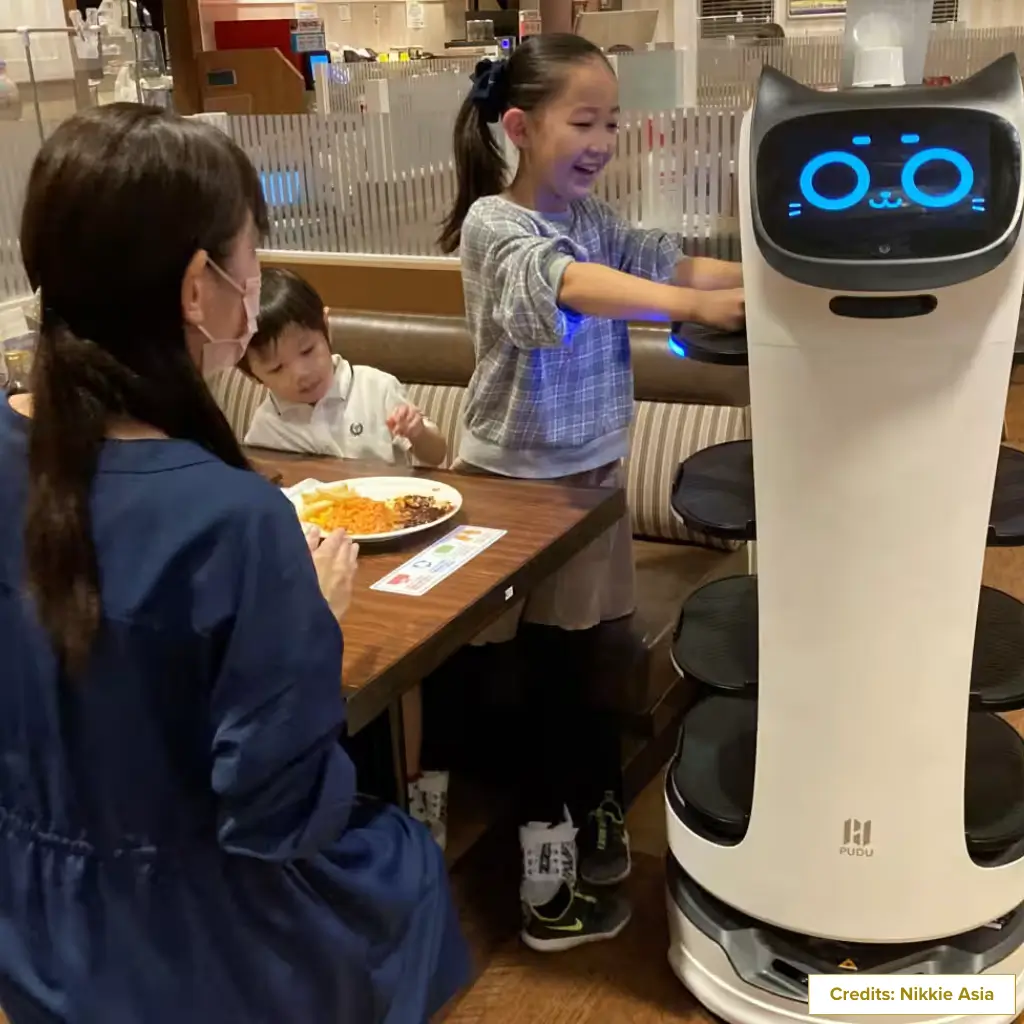
Challenges and Limitations of Robots in School Cafeterias
Despite their promise, robotics introduces challenges that schools must carefully consider.
1. Technology Dependence
Robots rely on software, sensors, and connectivity to function effectively. Malfunctions during peak lunch periods can disrupt service, necessitating backup plans and the intervention of trained staff.
2. Limited Flexibility
School cafeterias are dynamic environments. Robots are designed for specific tasks and may struggle to adapt quickly to menu changes, student preferences, or unexpected situations.
3. Training and Technical Expertise
Districts often lack in-house expertise to maintain and troubleshoot robotic systems, increasing reliance on vendors and external support.
4. Workforce Concerns
Automation can raise fears of job displacement among school cafeteria workers. Clear communication and retraining strategies are essential to maintain morale and trust.
5. High Upfront and Ongoing Costs
Robotics requires significant initial investment, along with ongoing maintenance and software expenses. ICC conducts total cost of ownership analyses to avoid financial surprises.
6. Reliability and Downtime Risks
No system is fail-proof. Cafeterias must be designed to allow staff to step in seamlessly when technology fails.
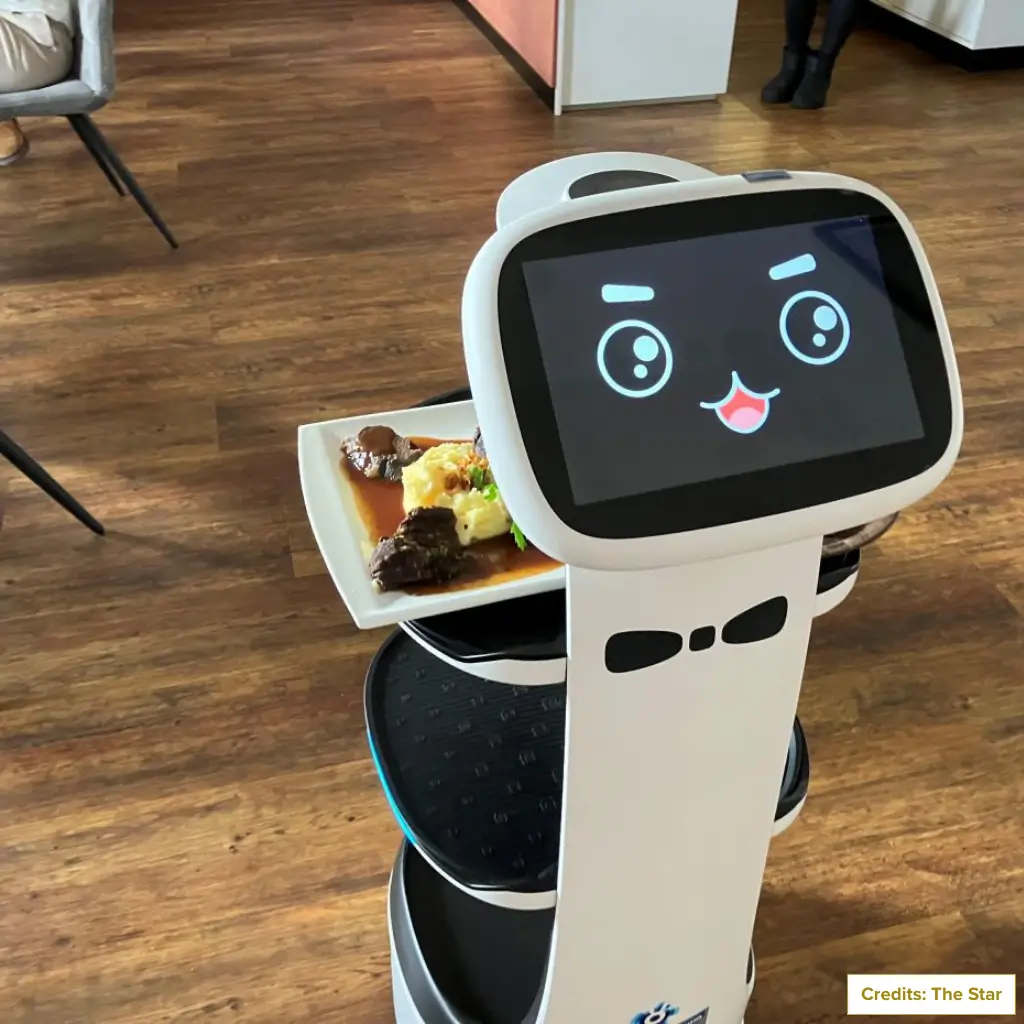
Impact of Cafeteria Robots on Students, Staff, and Management
The effects of robotics extend beyond operations, influencing daily experiences and institutional culture.
· Student Experience and Accessibility
Robots can be engaging for students, but schools must ensure automation supports inclusivity, accessibility, and safe accommodation of food allergens.
· Staff Roles and Workplace Culture
When integrated well, robotics can improve working conditions. Poor integration, however, can increase stress and complexity. A clear role definition is critical.
· Management and Oversight
Robotics introduces new responsibilities, from vendor coordination to data oversight. ICC helps districts align foodservice, facilities, and IT teams to manage these demands effectively and manage a school cafeteria more strategically.
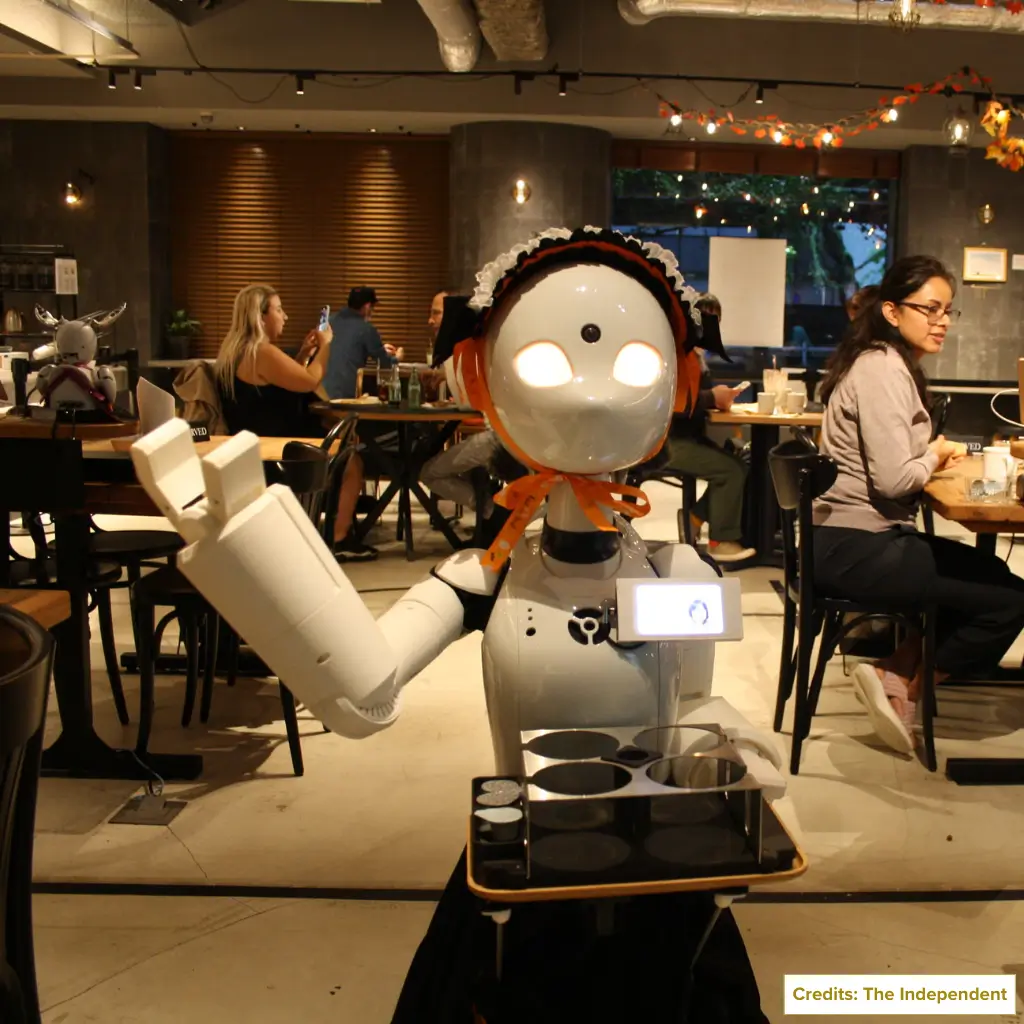
Ethical, Privacy, and Community Considerations
As technology becomes more visible in cafeterias, ethical questions arise. Some systems collect operational or behavioral data, raising privacy concerns. Transparency with families and compliance with regulations are essential.
There are also broader questions about the role of automation in educational spaces. Cafeterias contribute to a positive school culture, offering opportunities for social interaction and relationship building. Robotics should support not replace the human elements that make these spaces welcoming and engaging.
How ICC Helps Schools Evaluate Cafeteria Robotics Responsibly
At Ingenious Culinary Concepts, we approach robotics with a balanced mix of curiosity and caution. Our role is not to promote technology for its own sake but to help districts determine whether automation genuinely supports their mission and objectives.
We integrate robotics evaluation into comprehensive cafeteria planning, considering workflow, infrastructure, staffing models, and student experience. Whether designing a modern school cafeteria, adapting spaces for private school cafeterias, or planning a functional and inclusive high school cafeteria, we ensure technology aligns with long-term flexibility and district values.
We also help districts learn from history, recognizing how far we’ve come since the school cafeterias of the 1970s, 1980s, and 1990s, while avoiding the pitfalls of adopting innovation too quickly.
Key Questions Schools Should Ask Before Investing in Cafeteria Robots
Before investing in cafeteria robotics, districts should ask:
- What specific problem are we solving?
- How will automation affect staff roles and student experience?
- Can our existing spaces support the technology?
- What is the full lifecycle cost?
- How adaptable is the system as needs change?
These questions help districts align technology decisions with the future of school cafeterias, rather than focusing on short-term trends.
Final Thoughts: Are Robots Worth It for School Cafeterias?
Robots offer meaningful opportunities to improve efficiency, support staff, and modernize foodservice operations. At the same time, they introduce challenges related to cost, flexibility, reliability, and human impact.
Whether automation is worthwhile depends on each district’s goals, facilities, and values. For some schools, targeted robotics may deliver clear benefits. For others, traditional improvements may be more effective.
With thoughtful planning and expert guidance, robotics can become one component of a balanced approach to cafeteria design.
At ICC, we help schools navigate both excitement and concern, ensuring that technology decisions support students, staff, and long-term adaptability, including unique environments such as outdoor school cafeterias or efforts to reduce noise in school cafeteria spaces.
When you’re ready to ask the right questions and explore what’s truly possible, ICC is here to help guide the conversation.
FAQs
Are robots meant to replace cafeteria staff?
No. Most school implementations focus on supporting staff by automating repetitive tasks, rather than replacing human roles.
Do robots improve food safety?
They can, when properly maintained and overseen, by reducing human contact and standardizing sanitation routines.
Are robots suitable for all schools?
Not necessarily. Each district must evaluate space, budget, staffing, and long-term goals.