Introduction
At ICC, we spend every day thinking about how school cafeterias can do more. More for nutrition, more for education and more for community. One thing is clear: school lunches matter deeply. For millions of children worldwide, a school meal isn’t just fuel for learning. It’s a primary source of daily nutrition. The U.N. World Food Programme estimates that roughly 310 million children rely on school meals every day.
That reality has pushed schools everywhere to rethink how food appears on trays and where it comes from. In response, many districts are turning to school gardens as a powerful, practical solution. Gardens help address challenges such as cafeteria food shortages, rising food costs, and student resistance to fruits and vegetables all while creating meaningful learning opportunities.
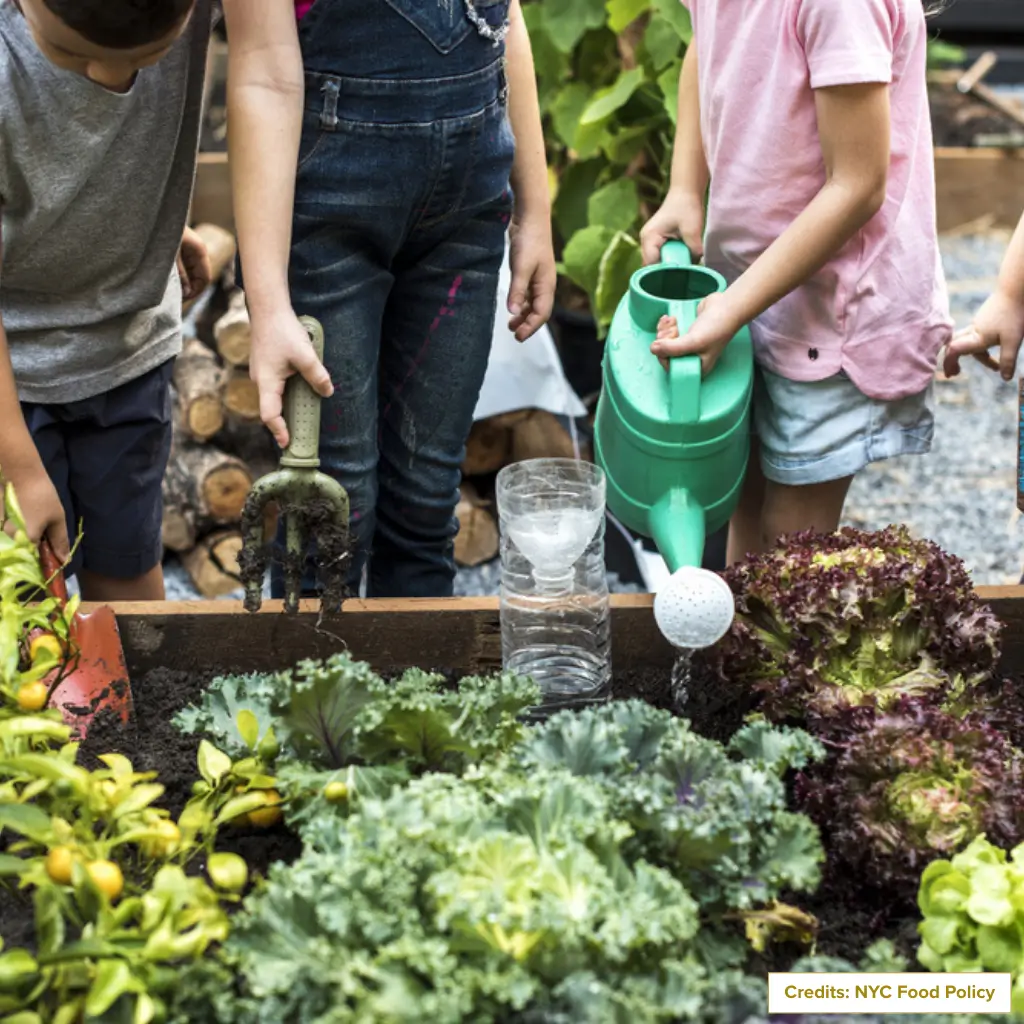
Across the U.S., we’re seeing schools connect gardens directly to cafeterias, allowing students to grow, harvest, and enjoy fresh produce they helped cultivate. The USDA provides garden-grown produce for school meals, though final approval is handled at the state or local level. When done thoughtfully, garden-to-cafeteria programs strengthen nutrition initiatives such as the National School Lunch Program and support long-term sustainability and wellness goals.
In this guide, we will walk schools through planning, designing, and sustaining a garden-to-cafeteria program, covering educational value, food safety considerations, operational planning, and the role of thoughtful cafeteria design in making these programs successful.
What Is A School Garden For Cafeteria Produce?
A school garden for cafeteria produce is far more than a traditional learning garden. It’s a living classroom designed with foodservice in mind. Students don’t just learn how plants grow; they know how food travels from soil to plate.
These gardens connect academic subjects, such as science, math, language arts, and environmental studies, with real-world outcomes.
- Measuring garden beds becomes a math lesson.
- Studying plant life cycles reinforces biology.
- Writing reflections about harvest days strengthens literacy.
At the same time, students build life skills like responsibility, patience, and teamwork.
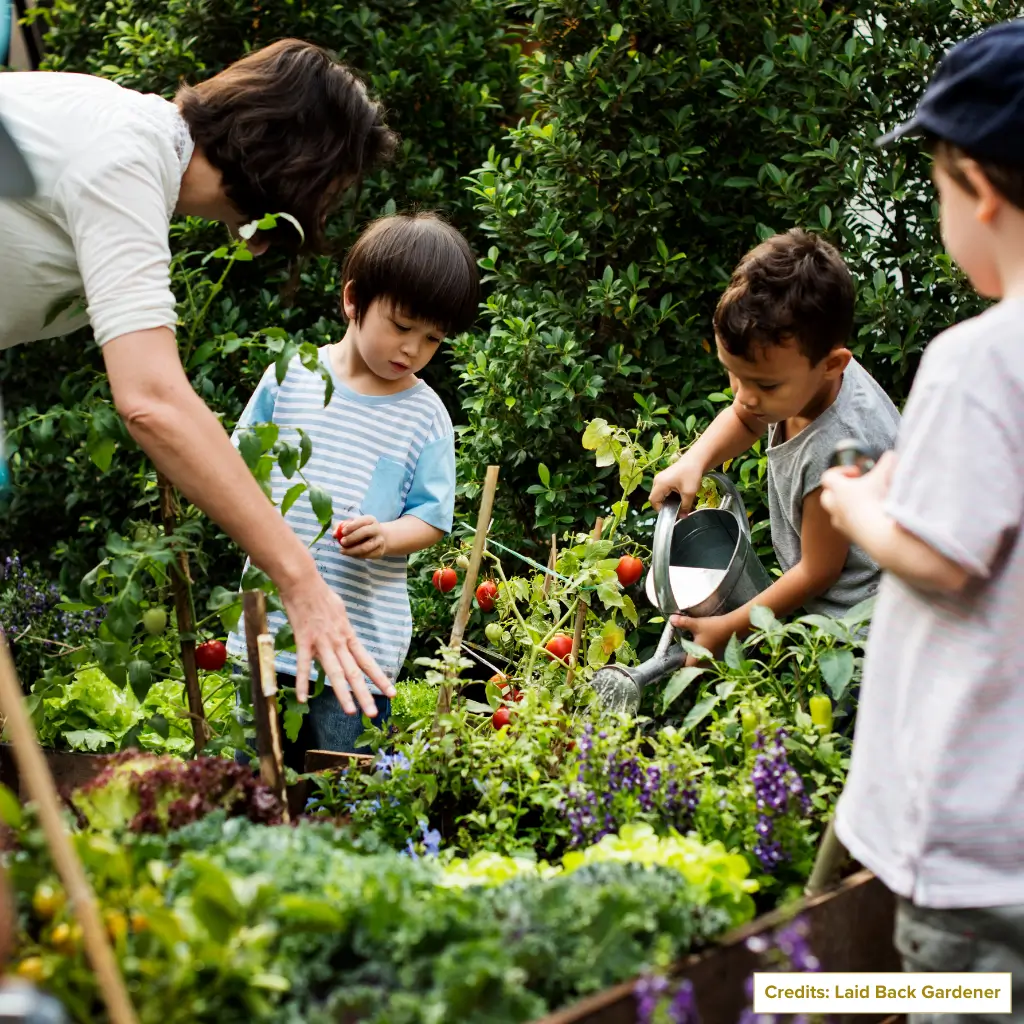
What sets garden-to-cafeteria programs apart is intentional alignment. Crops are selected based on cafeteria needs. Harvest schedules are planned to match menu cycles. Basic food safety practices guide planting, growing, and harvesting so produce can be served confidently to students.
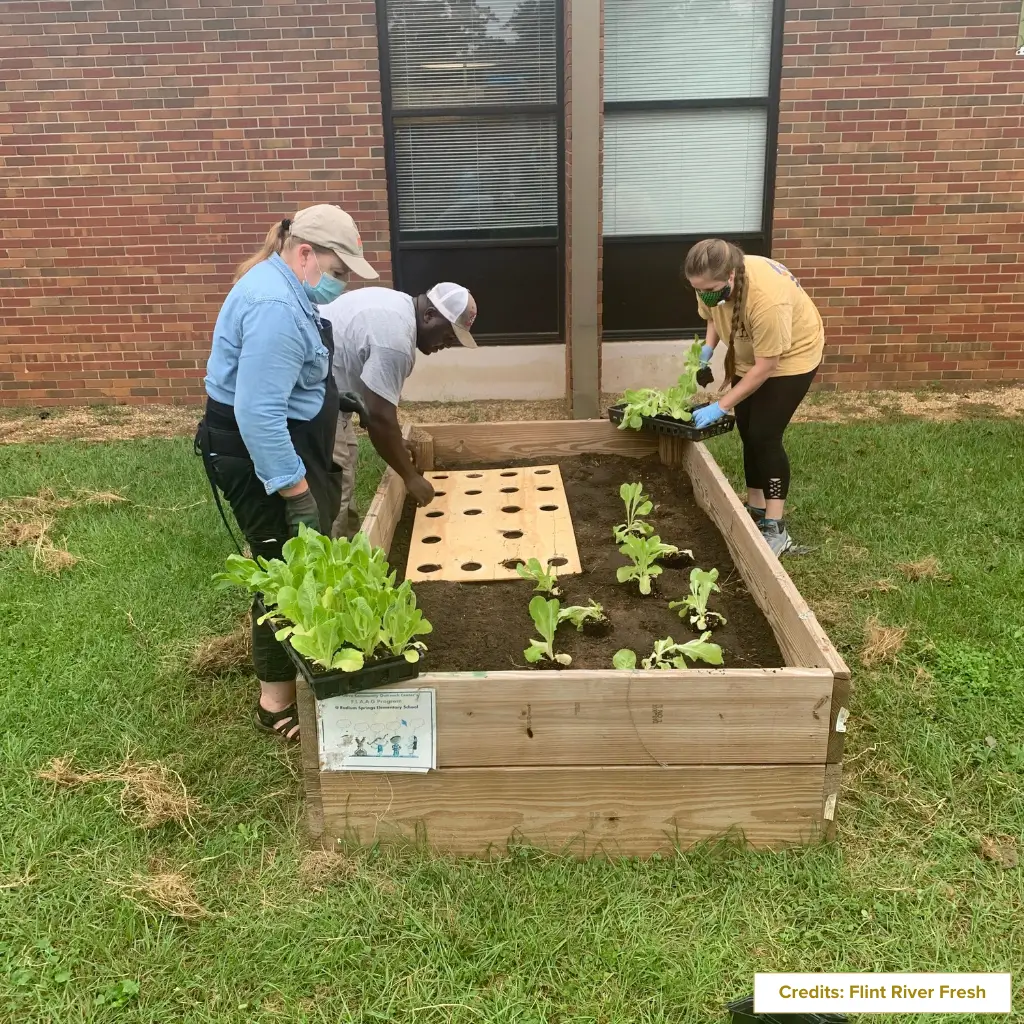
Some schools start small with raised beds for herbs or salad greens. Others build larger gardens capable of supplying seasonal produce for specific meals or tasting events. No matter the size, the goal is the same: to supplement school cafeteria food with fresh, student-grown ingredients while reinforcing healthy eating habits.
At ICC, we see these gardens as extensions of the kitchen itself, another space where food education and operations intersect.
Why Introduce a School Garden for Cafeteria Use?
Introducing a school garden for cafeteria use creates impact well beyond the harvest.
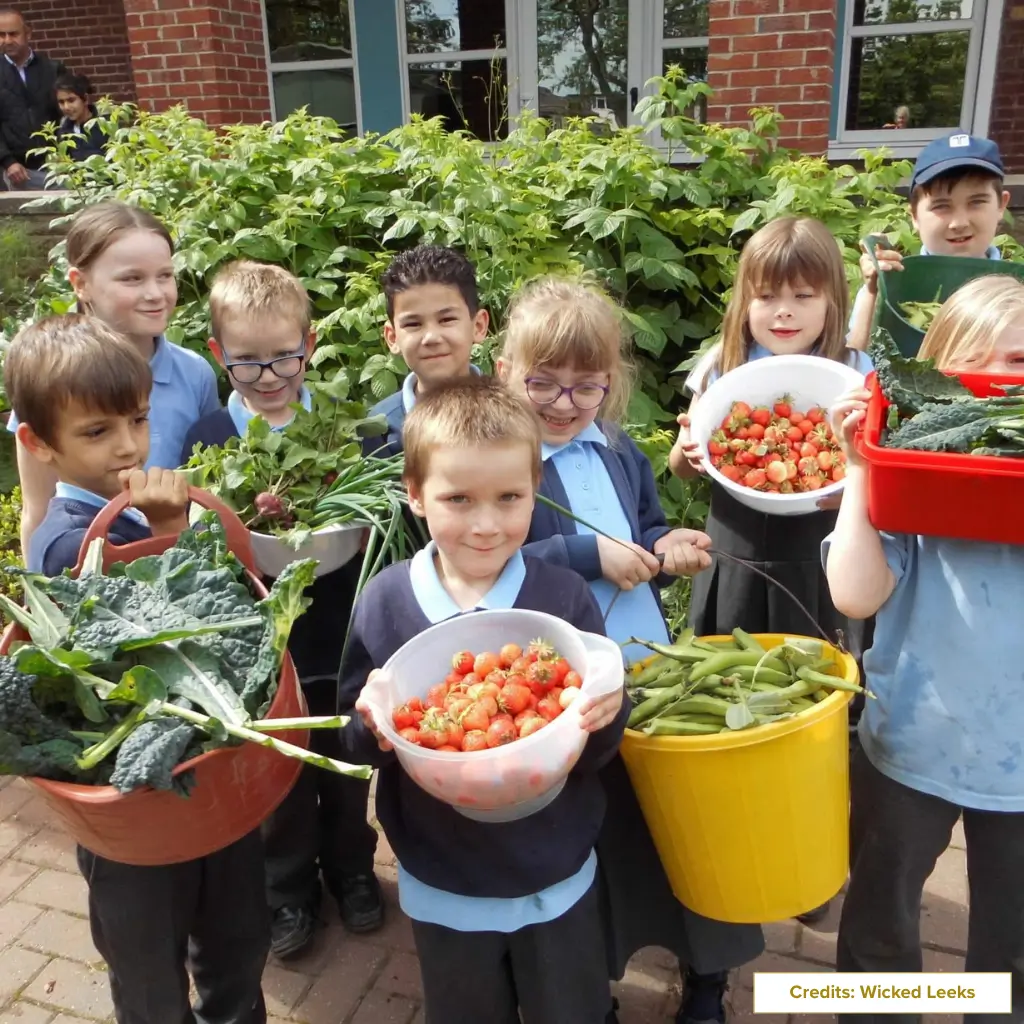
From a nutrition standpoint, students are far more likely to try fruits and vegetables they’ve grown themselves. Seeing food move directly from the garden to the tray builds trust and curiosity, helping improve acceptance of cafeteria food and reducing plate waste.
Educationally, gardens offer hands-on learning that sticks. Lessons on sustainability, plant science, and nutrition come to life when students see their work reflected in the cafeteria. These experiences also support broader initiatives, such as school cafeteria modernization, by reinforcing the value of fresh, scratch-cooked meals.
Operationally, gardens can support district goals around local sourcing, waste reduction, and smart school cafeteria budgeting. While gardens won’t replace traditional suppliers, they can supplement menus, support sampling events, and ease pressure during supply disruptions.
Just as importantly, gardens help foster a sense of community in the school cafeteria. Teachers, families, cafeteria teams, and community partners all play a role, strengthening school culture and shared ownership.
Suggested Reading 👉🏼 Ways To Promote Healthy Eating in School
Benefits Of School Gardens For Students, Schools, And Communities
The benefits of school gardens are well-documented and wide-ranging. Research shows that students who participate in frequent, hands-on food education eat up to three times more fruits and vegetables at lunch than those who don’t. Academic gains are evident not only in science but also in math and language arts.
Key benefits include:
Hands-On, Cross-Curricular Learning
Gardens support inquiry, observation, and experimentation across subjects. They also provide a natural setting for environmental education and sustainable practices. Concepts that align closely with a zero-waste school cafeteria mindset.
-
Improved Attitudes Toward Healthy Foods
Gardening motivates students to taste foods they might otherwise avoid. When kids harvest produce themselves, fruits and vegetables become exciting instead of intimidating.
-
Physical Activity and Outdoor Engagement
Gardening gets students moving, digging, planting, lifting, and carrying all while enjoying time outdoors. For some schools, gardens even complement ideas around an outdoor school cafeteria or flexible dining spaces.
-
Connection to Local Food Systems
School gardens align naturally with Farm to School efforts and USDA support for local sourcing. While harvest volumes may be modest, gardens can supply tastings and special menu features that highlight fresh, local food.
Educators also report improvements in social skills, environmental awareness, student behavior, and overall engagement, benefits that extend well beyond the garden fence.
Steps to Get Started With a School Garden for Cafeteria Produce
1. Before You Get Started
Start by talking with your district food service administration. The cafeteria manager is a key partner and can help confirm whether garden produce can be served as part of a meal. Keep administrators involved early and often.
Review federal, state, and local health codes, especially those related to preventing foodborne illness. Reach out to other schools that have successfully integrated gardens into their cafeterias. Community groups, garden clubs, and cooperative extensions can also provide valuable support.
Most importantly, involve students and families from the beginning. When students help shape the project, they’re more invested in its success.
2. Set Up Brainstorming Sessions
Hold brainstorming meetings with students, staff, families, and community members to define goals. Discuss why the garden exists, how crops will be used, and how teachers might integrate it into lessons.
This is also the time to consider management: who coordinates the garden, who maintains it during breaks, and how access will be shared. Precise planning now helps you organize your school cafeteria and garden as one connected system later.
3. Define Roles and Responsibilities
Successful gardens depend on teamwork:
- Teachers act as garden leads and reinforce food safety practices.
- Cafeteria Managers approve food safety plans and oversee harvesting.
- Volunteers assist with supervision and maintenance.
- Custodial Staff ensure no harmful chemicals are used near the garden.
- Students become caretakers and ambassadors for safe practices.
Supporting school cafeteria workers through transparent processes is essential to long-term success.
4. Finding a Site
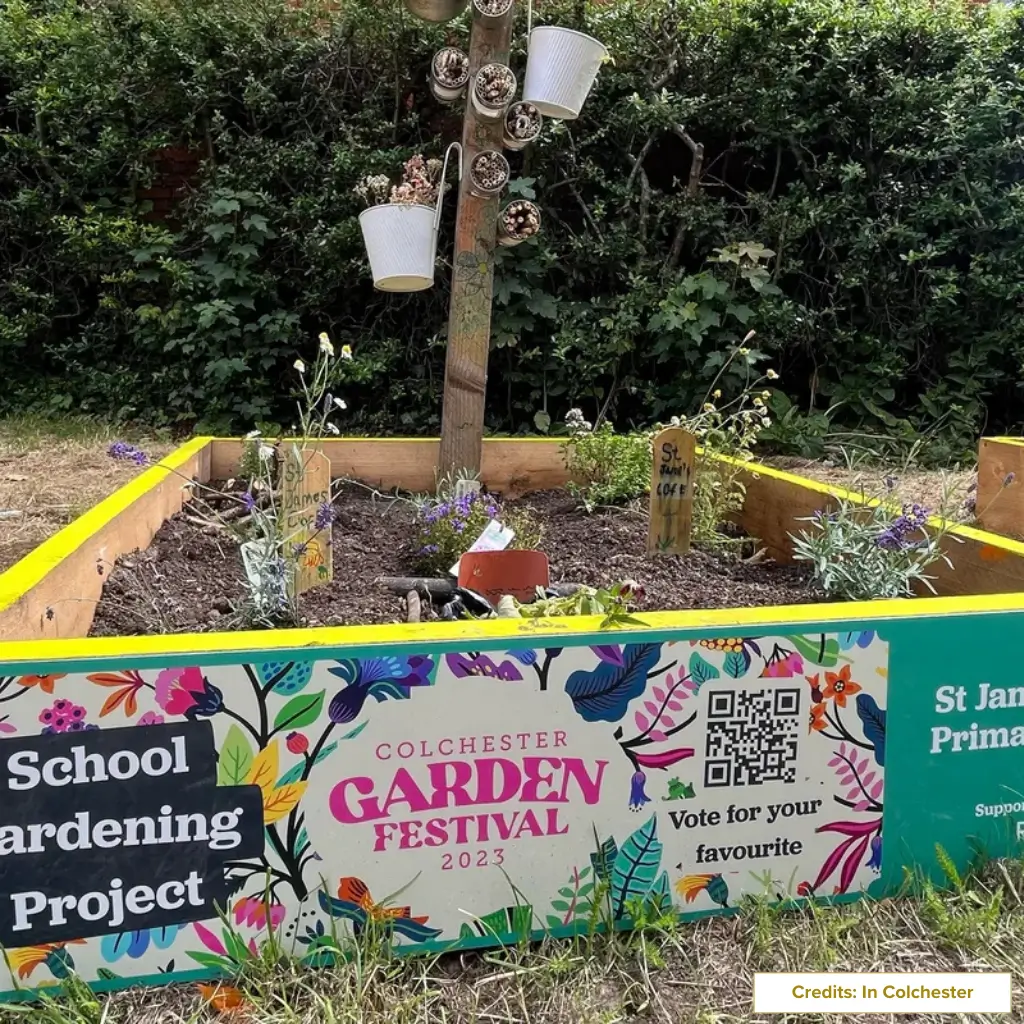
Gardens can thrive in courtyards, schoolyards, rooftops, or even containers. Choose a visible location with at least six hours of sunlight, access to water, and minimal flooding risk. Soil testing for contaminants is non-negotiable before planting.
5. Designing and Planning
Design is where many programs succeed or struggle. Gardens intended for cafeteria use must align with kitchen workflows, including washing, storage, and prep.
Consider bed layout, plant selection, accessibility, tool storage, fencing, and seating. Food safety should guide plant choices and infrastructure decisions. Avoid allergenic or hazardous plants.
At ICC, we specialize in designing cafeterias that support fresh food initiatives. When prep areas, storage, and circulation are planned intentionally, garden programs are easier to sustain and scale.
6. Raising Funds
If budgets are tight, explore parent-teacher groups, local businesses, garden clubs, federal grants, and fundraising events. Cafeteria budgets may also support seeds or tools when produce is used in meals.
7. Breaking ground
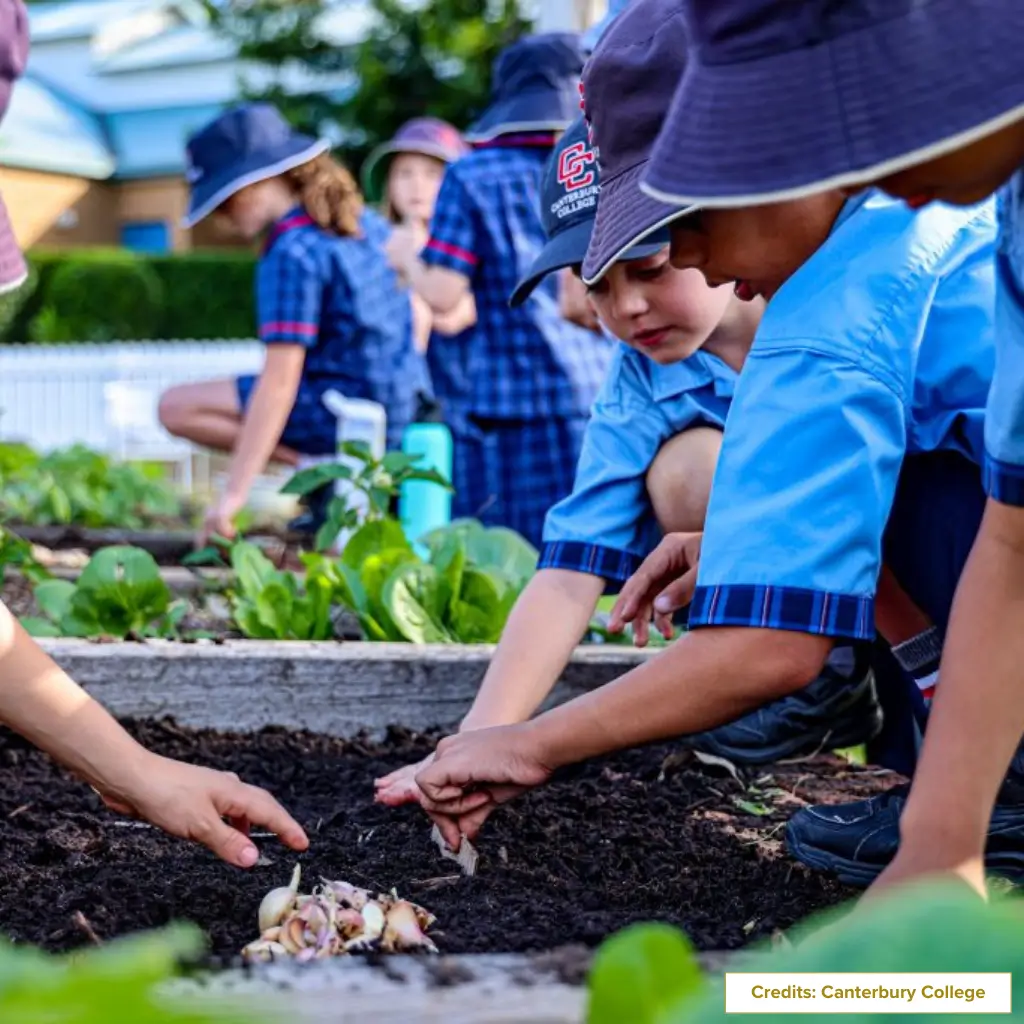
Breaking ground is a celebration. Involve students in planting, measuring, and signage while inviting families and community partners to help with larger tasks. Documenting the day builds excitement and pride.
8. Using the Garden in Lesson Plans
Gardens can support nearly every subject. Encourage administrators to champion garden-based learning across departments. Many regional and national organizations offer ready-to-use lesson plans.
9. Keeping the Garden Alive
Long-term success requires structure. Garden committees and coordinators help manage schedules, volunteers, and funding. At season’s end, gather feedback and adjust plans to keep improving.
Suggested Reading 👉🏼 Simple Steps for Healthy School Cafeterias
How ICC Helps Schools Connect Garden, Cafeteria, and Design
At ICC, we partner with schools to bring garden-to-cafeteria programs to life. We align educational goals, kitchen operations, and physical design so fresh produce integration feels natural, not forced.
We start by understanding how a school wants to use its garden, then design cafeteria layouts, prep spaces, and workflows that support that vision. Our goal is to create systems where gardens and cafeterias complement each other, supporting nutrition, education, and efficiency.
If you’re ready to take this initiative forward this year, ICC can help you plan and design a garden-to-cafeteria program that’s practical, compliant, and built to last. Connect With Our Team To Get Started.
Bringing It All Together
In essence, school gardens connected to cafeterias are powerful tools for improving nutrition, education, and community engagement. When thoughtfully planned, they help address food access challenges, strengthen learning, and inspire healthier habits that last a lifetime.
You might also like to read our more inspirational guides:
- How to Start a Composting Program in Your School Cafeteria
- Why Student-Run Cafeterias Are the Future of Campus Dining
FAQs
-
Can garden produce really be used in school meals?
Yes, when local regulations and food safety guidelines are followed, garden produce can be safely served in cafeterias.
-
Do gardens significantly reduce food costs?
While gardens won’t replace suppliers, they can supplement menus, support tastings, and enhance value through education and engagement.
-
Is a garden suitable for every school?
With the right design and planning, gardens can be adapted to schools of all sizes, even those with limited outdoor space.