Introduction
When schools discuss culture, the conversation typically centers on classrooms, activities, or academic achievement. However, based on our experience, one of the most powerful and often overlooked spaces for building connections is the cafeteria.
The impact of school cafeterias on students’ sense of belonging, emotional well-being and everyday social interactions is significant. Because community does not form by chance, it must be intentionally supported through environments where students, staff, and families naturally come together. When parents feel welcomed, students feel recognized, and staff feel respected, the school begins to feel less like an institution and more like a connected community.
This guide offers practical and creative ways to transform the cafeteria into a hub for connection and belonging. These strategies are grounded in what we’ve seen work in real schools, helping every child feel welcome, valued and part of something bigger. Let’s get started.
Why the School Cafeteria Plays a Critical Role in Student Community
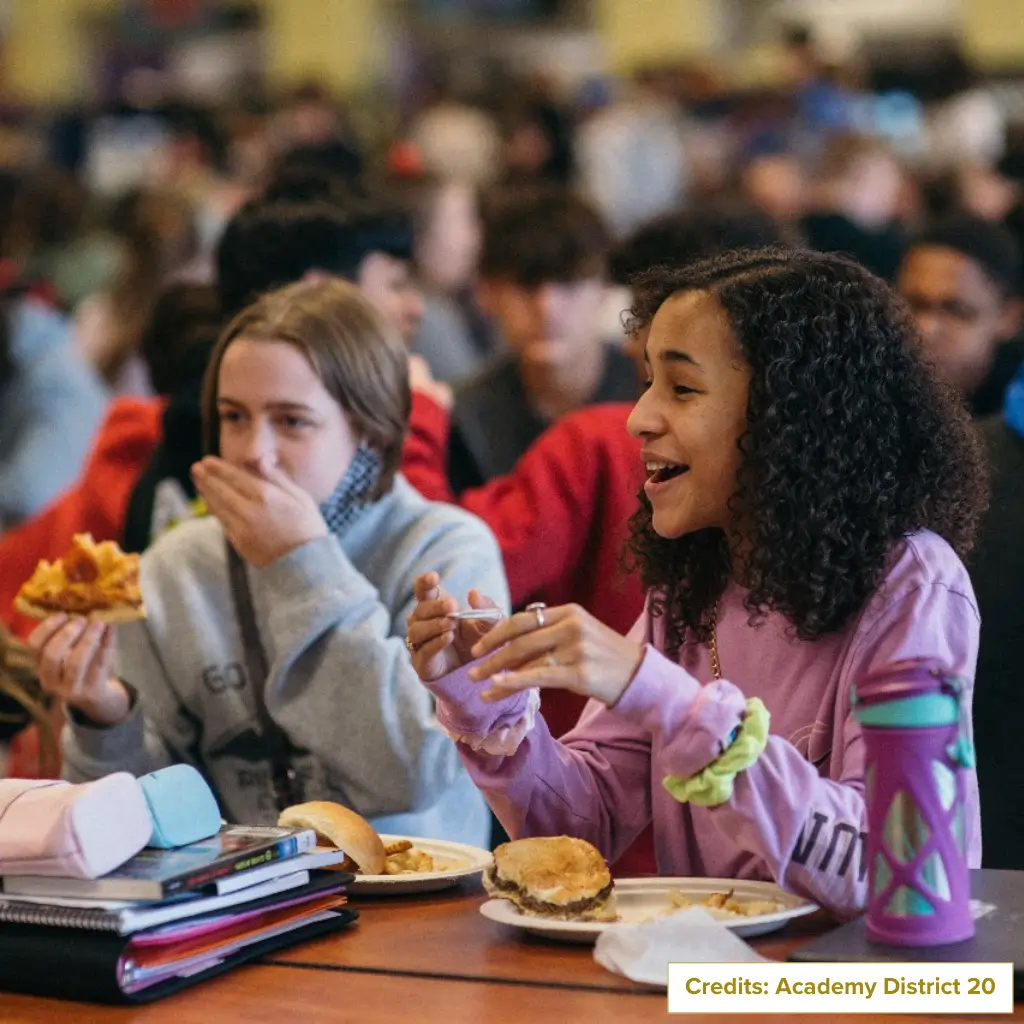
From our perspective, few spaces have as consistent an influence on the student experience as the cafeteria. Students who feel connected to others at school are more likely to attend regularly, stay engaged, and show confidence in their daily interactions. A strong sense of belonging builds commitment not just among students but also among teachers and staff.
The cafeteria stands out because it’s one of the most democratic environments in a school. Students from different grades, cultures, abilities, and social groups all share the same space. Unlike classrooms with assigned seating and structured routines, cafeterias allow freedom of choice and organic interaction.
Over the years, we’ve observed that when cafeterias feel loud, crowded, or impersonal, students tend to withdraw. But when these spaces are designed with intention, they become places where students relax, connect and feel seen. A positive cafeteria experience supports emotional health, encourages respectful behavior and builds trust between students and adults, including school cafeteria workers, who often form some of the most consistent relationships with students.
How Cafeteria Community Supports Student Growth
Based on what we’ve seen across many school environments, a welcoming cafeteria contributes to growth in several important ways:
- Emotional well-being: Predictable routines and friendly interactions create a sense of safety.
- Positive behavior: Clear expectations and respectful service naturally encourage good manners.
- Social skills: Students practice communication, cooperation, and conflict resolution.
- Attendance and engagement: When lunch feels enjoyable, school becomes a place students want to be.
- Student–adult relationships: Informal interactions build trust and recognition.
- Equity and inclusion: Everyone shares the same space, promoting fairness and a sense of belonging.
- Life skills: Decision-making, responsibility, and time management are practiced daily.
- Reduced stress: Thoughtful design can help reduce noise in school cafeteria settings, creating calmer experiences.
Together, these benefits help foster a positive school culture that extends far beyond the lunchtime experience.
Strategies to Foster a Sense of Belonging in the School Cafeteria
A sense of belonging does not happen by accident. In the school cafeteria, it is shaped by hundreds of small, intentional decisions from where students sit to how the space feels, sounds, and adapts to their needs. At ICC, we view the cafeteria as a powerful social environment where thoughtful design and daily experiences work together to build community.
The following strategies outline how schools can intentionally foster a sense of belonging in the cafeteria, transforming it into a place where every student feels welcome, comfortable, and connected.
1. Design Seating That Encourages Conversation
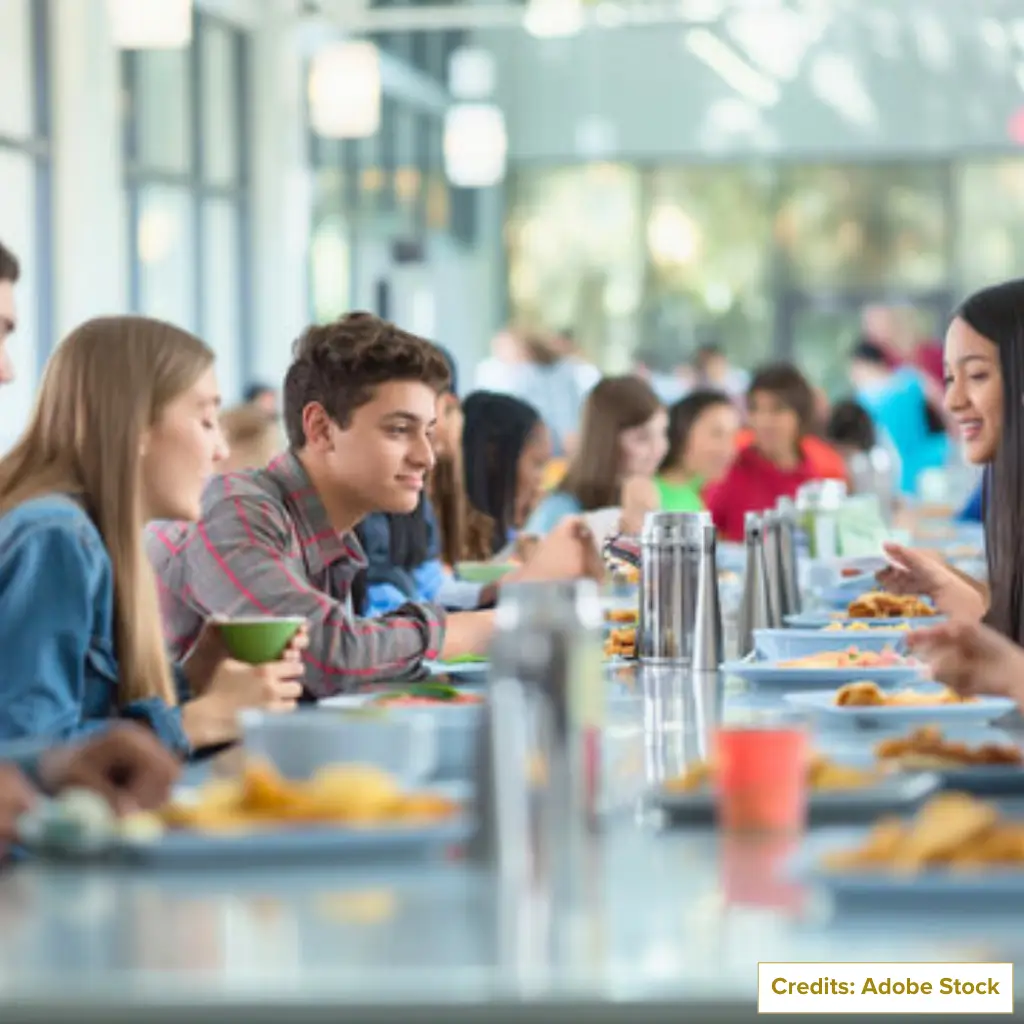
We’ve learned that seating choices can either invite connection or quietly discourage it. Thoughtful cafeteria table design, including round tables, booths, and shared tables, removes barriers and encourages face-to-face interaction. When students can sit comfortably and converse naturally, meals become opportunities for building relationships.
2. Create Flexible Layouts
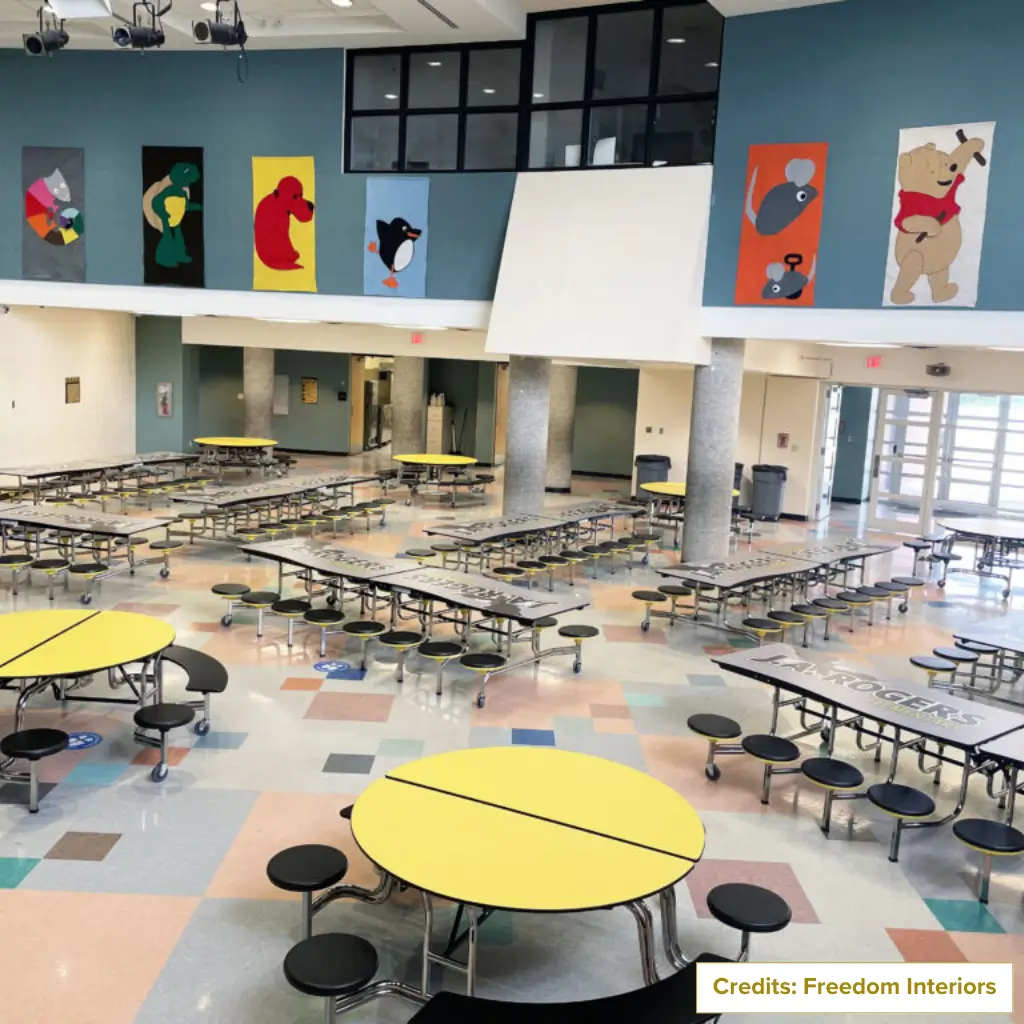
In our work, flexibility consistently proves essential. Moveable furniture and adaptable layouts make it easier to organize your school cafeteria for everyday lunches, clubs, or special events. When students experience a space that adapts to them, they feel a stronger sense of ownership and belonging.
3. Offer a Variety of Seating Zones
Not every student experiences social spaces the same way. We believe belonging means having options. Providing lively group areas alongside quieter zones helps every student, especially those in an elementary school cafeteria find a place where they feel comfortable and included.
4. Treat the Cafeteria as a Community Hub
Schools we’ve partnered with see the greatest impact when the cafeteria is designed for more than eating. When the space supports meetings, celebrations, and family events, it becomes a true center of school life where relationships grow.
5. Use Color, Lighting, and Sound Intentionally
Atmosphere matters. Warm colors, layered lighting, and thoughtful acoustics create a welcoming environment. In some schools, carefully managed background music in school settings helps soften the space and encourages calm conversation during meals.
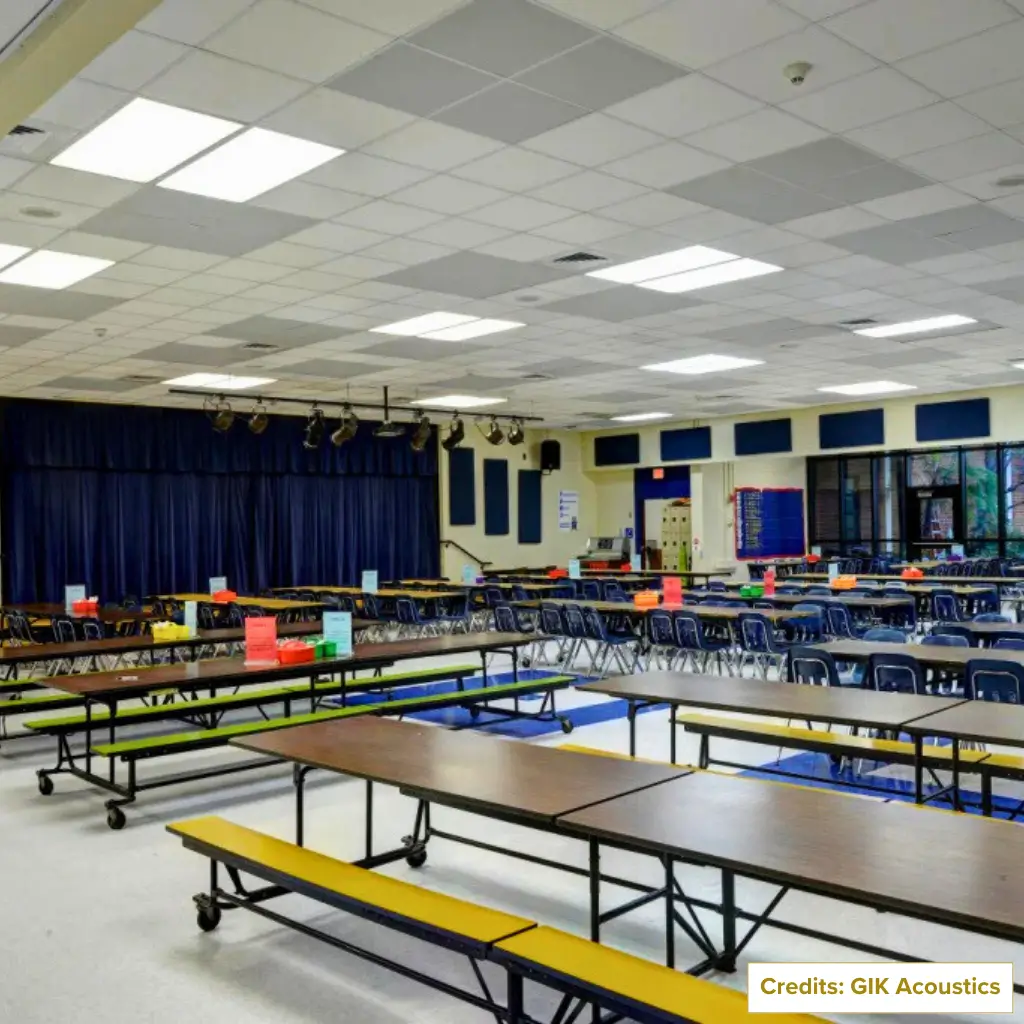
6. Prioritize Inclusive and Accessible Design
From our perspective, accessibility should be seamlessly integrated. Wide pathways, inclusive seating, and age-appropriate serving areas allow all students to participate with dignity. Schools should always choose durable & comfortable cafeteria furniture that supports diverse needs and daily use.
7. Create Sensory-Friendly Spaces
Sensory-friendly areas with reduced noise and visual stimulation ensure these students aren’t excluded from communal experiences. This kind of design communicates empathy in action.
8. Elevate Student Voice
Involving students in decisions builds trust and pride. We’ve watched schools thrive when student input shapes everything from colors to artwork. A cafeteria mural featuring student-created designs is a powerful visual reminder that their voices matter.
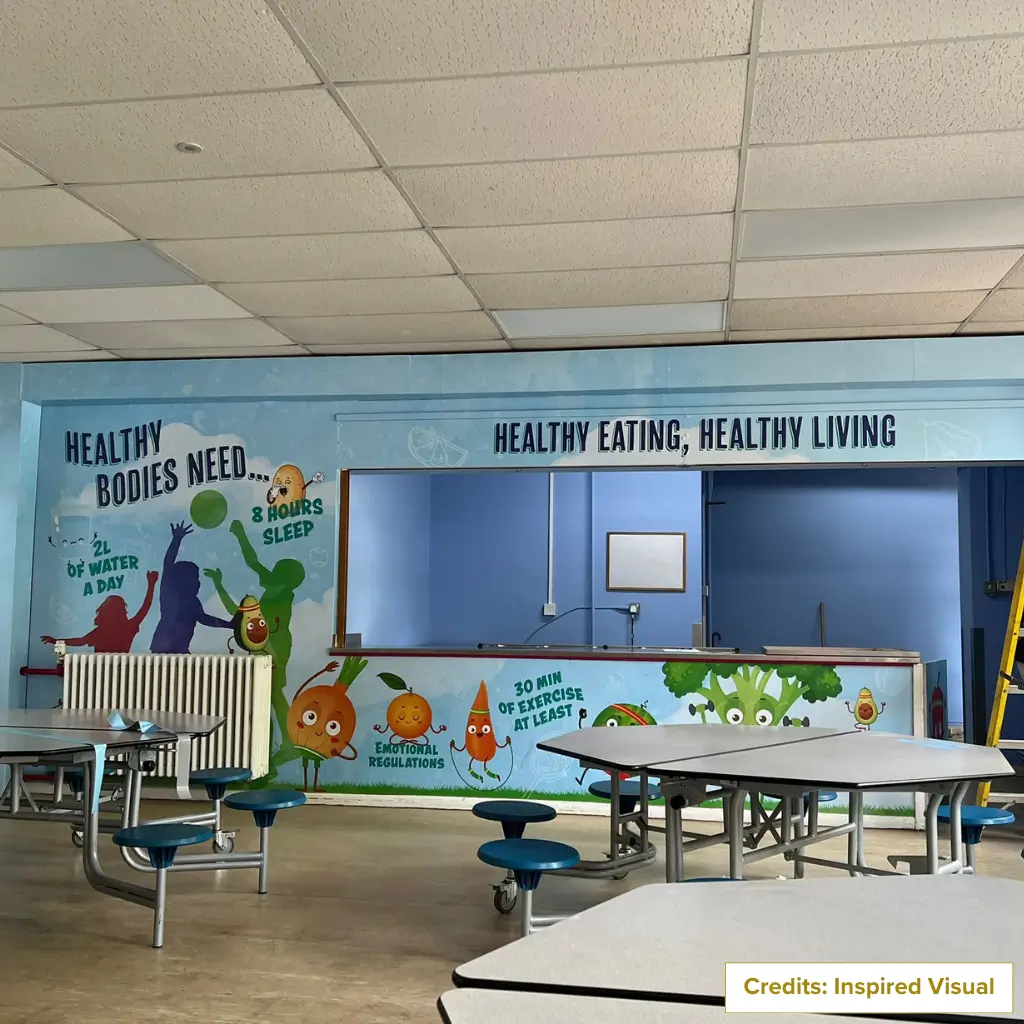
9. Introduce Community-Building Programming
Small initiatives can have a big impact. Activities such as clubs, theme days, or cafeteria reward programs create shared experiences that students look forward to, helping to strengthen peer connections over time.
10. Design for Positive Behavior
In our experience, the environment has a direct influence on behavior. Clear circulation paths, defined zones, and comfortable seating reduce stress and congestion, making respectful interaction the norm rather than the exception.
11. Reflect School Identity
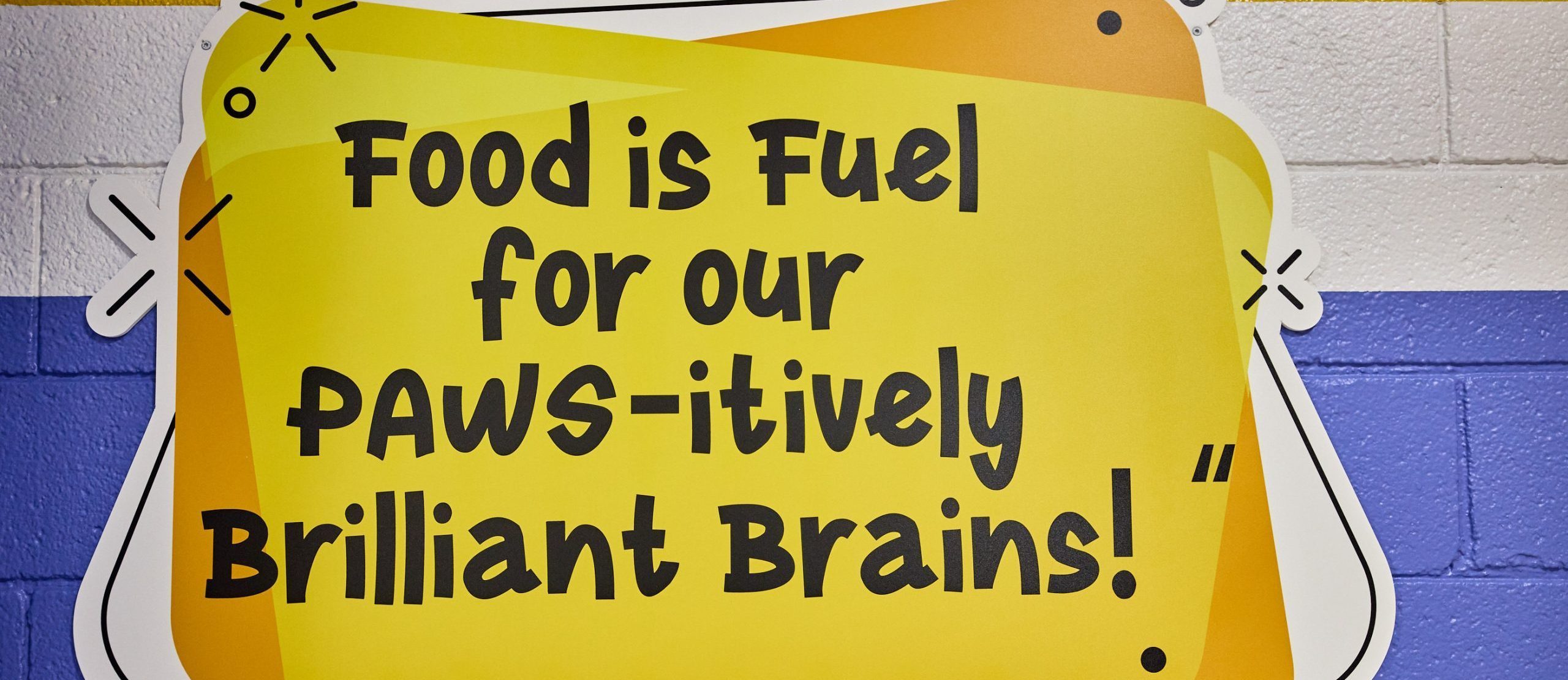
Students feel more connected when they see themselves reflected in their environment. School colors, mascots, student achievements and inspiring quotes help reinforce pride and shared identity.
12. Celebrate Diversity Through Décor and Themes
Seasonal and cultural décor is a simple yet meaningful way to recognize students. Schools can make a school cafeteria more festive for holidays by rotating inclusive displays and hosting themed meals.
Examples include:
- Decorating the cafeteria for back to school to create excitement and welcome
- Halloween decorations that add fun and creativity
- Bringing Valentine’s Day to your school cafeteria with kindness-focused décor
- Rotating school cafeteria themes throughout the year
Seasonal menus, such as easy Easter menus or a community-style Thanksgiving lunch, also spark conversation and shared traditions.
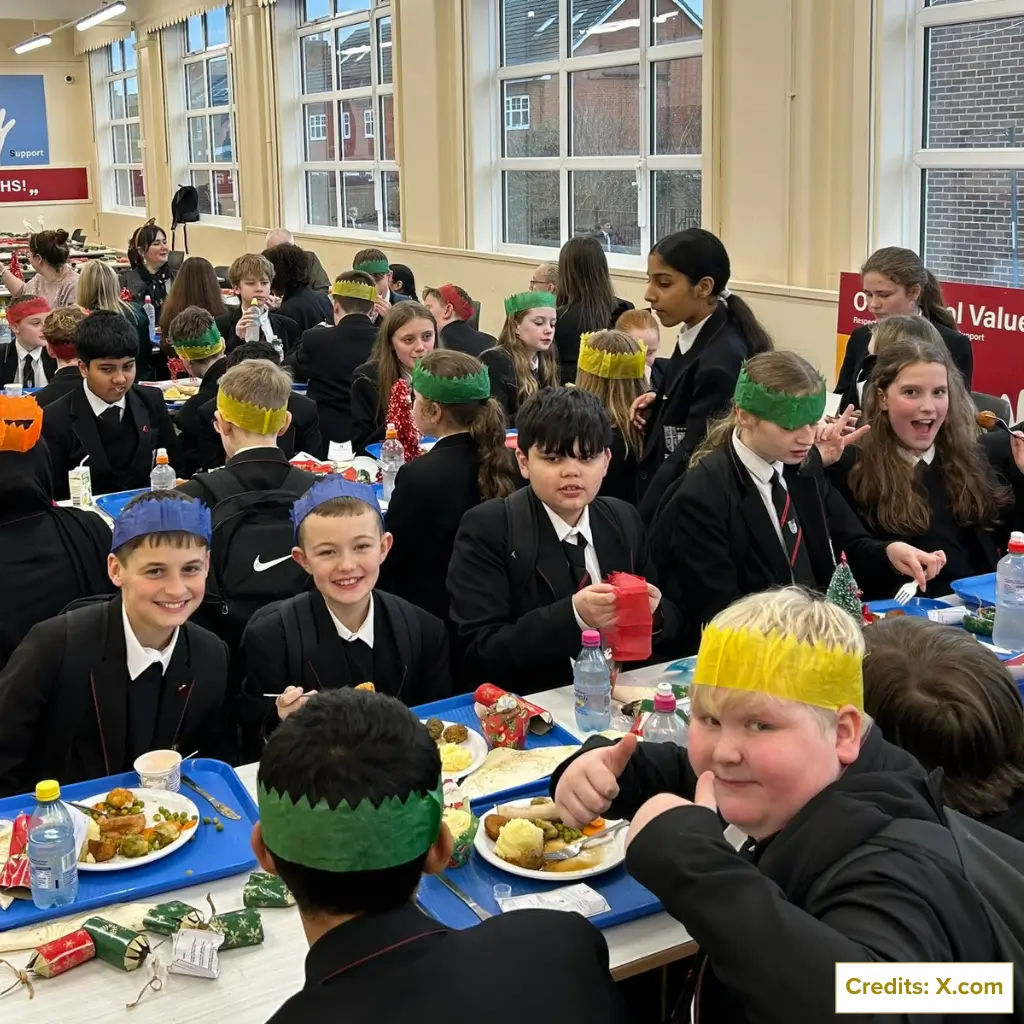
13. Train and Empower Cafeteria Staff as Community Builders
The adults in the cafeteria have an enormous influence on how students experience the space. A warm greeting, a familiar smile, or a kind word can make a student feel instantly recognized and safe. When cafeteria staff are empowered as community builders, rather than just service providers, they help set the tone for respect, belonging, and positive interactions.
14. Establish Simple Rituals and Traditions That Students Look Forward To
Community is strengthened through shared experiences, especially those that happen consistently. Simple cafeteria traditions such as weekly theme days, monthly recognition moments, or rotating student shout-outs create predictability and excitement. Over time, these rituals become an integral part of the school’s identity and something that students eagerly anticipate.
15. Partner With School Cafeteria Design Experts
With years of experience in this business, we understand that transforming a cafeteria into a community-centered space requires expertise and insight. Partnering with specialists ensures every detail supports student connection and long-term success.
How ICC Creates School Cafeterias That Foster Community and Connection
At ICC, we approach cafeteria design through a deeply student-centered lens. We listen first to students, educators, and administrators because we believe the best spaces are shaped by the people who use them every day.
Our process focuses on human-centered design, inclusivity, flexibility, and durability. We don’t just redesign cafeterias; we help schools create environments where students feel comfortable, connected, and valued.
If you’re ready to reimagine your cafeteria as a true community hub, we’re here to help. Connect with ICC today and let’s design a space where belonging is built into every lunch period.
Final Thoughts
Ultimately, the school cafeteria is more than just a shared space. It’s an opportunity for personal growth and development. With thoughtful design and intentional choices, it can become a place where students feel comfortable, connected, and truly part of their school community.
When schools invest in creating cafeterias that foster a sense of belonging and promote positive interaction, they set the tone for how students experience school as a whole. The impact of these efforts extends far beyond lunchtime, creating a stronger and more welcoming environment for everyone.
FAQs
Why is the cafeteria so crucial for school culture?
The cafeteria is one of the few daily shared spaces where students from all grades and backgrounds interact, making it a crucial place to foster relationships, a sense of belonging, and a positive school culture.
Why is a sense of belonging in the cafeteria important for students?
When students feel they belong, they are more confident, engaged, and motivated. A welcoming cafeteria helps them build friendships, practice social skills, and feel connected to the larger school community.
How can schools improve the cafeteria community without major renovations?
Small changes, such as flexible seating, inclusive decor, and student-led activities, can make an immediate difference.