Introduction
Step onto a school campus today, and it feels very different from decades past. Students move quickly between classes, stay late for clubs and sports, and often juggle packed schedules that leave little time for long lines in the cafeteria. Teachers, librarians, and support staff are doing the same, working extended hours while trying to stay energized and focused.
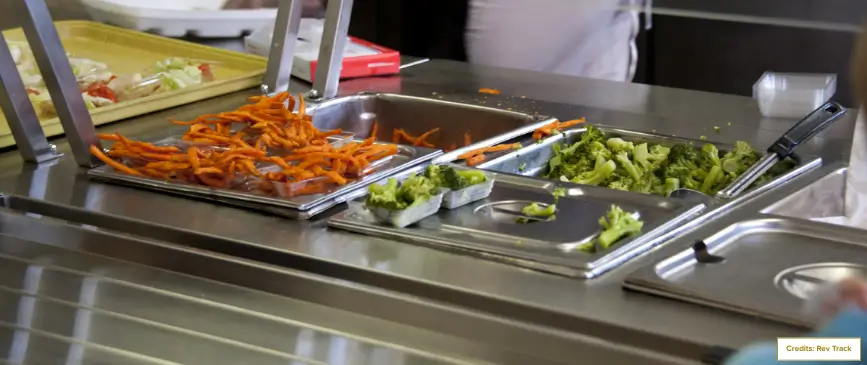
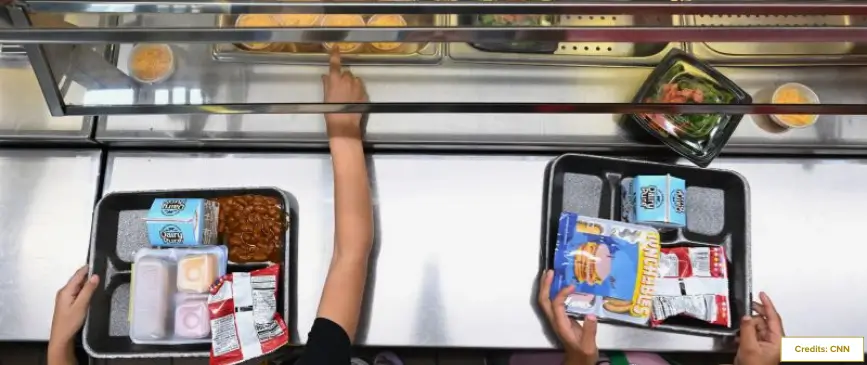
Unlike the school cafeterias of the 1950s, food service today must do far more than serve meals at set times. Schools are expected to provide nutritious options, maintain food safety, manage tight budgets, and still create an environment that students actually enjoy. That’s no small task.
After more than 15 years of working in cafeteria renovation and school foodservice planning, we’ve seen how traditional approaches struggle to keep up. This is where smart vending machines are changing the conversation. When thoughtfully integrated, they improve food access, support wellness goals, generate revenue, and enhance the overall campus experience.
This guide examines how smart vending machines are transforming school food access and why they’re becoming an integral part of modern campuses.
What Are Smart Vending Machines?
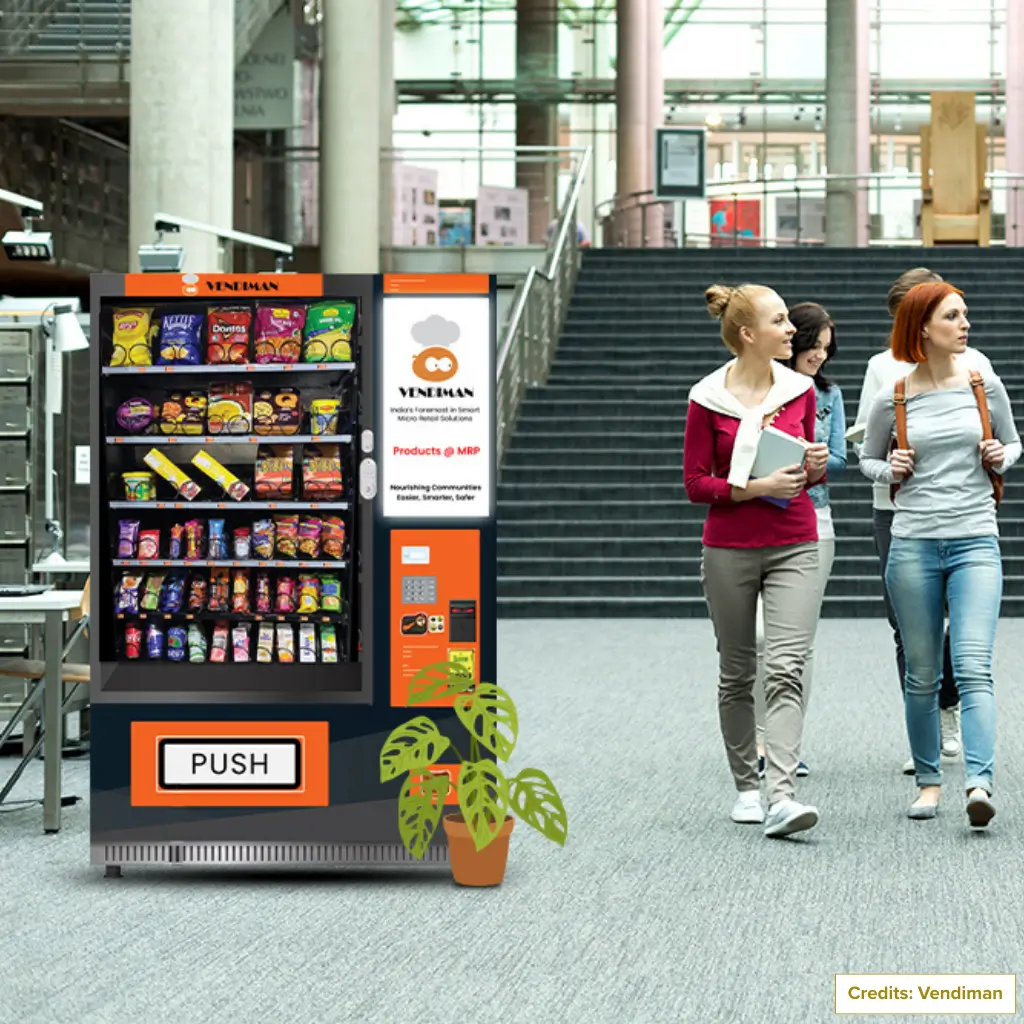
Smart vending machines are technology-driven food access points designed for today’s fast-moving school environments. They go far beyond traditional snack machines, offering curated selections, digital interfaces, and real-time monitoring.
These machines typically feature:
- Touchscreen interfaces with intuitive navigation
- Cashless or low-cash payment options using QR codes, student cards, or mobile apps
- Real-time inventory tracking for efficient restocking
- Temperature monitoring to maintain food safety
- Energy-efficient lighting and systems
Smart vending machines can dispense a variety of healthy snacks, beverages, fresh meals, and even non-food essentials, such as stationery, calculators, or tech accessories. For schools, they provide a way to extend food access beyond cafeteria hours without increasing staffing demands.
More importantly, smart vending aligns with evolving expectations around school lunches, offering flexibility while still supporting nutrition, safety, and accountability.
Smart Vending Machines in School Cafeterias: Pros and Cons
Pros:
1. Convenience And Accessibility
School days are busy, and students don’t always have time to queue at the canteen. Smart vending machines placed in high-traffic areas enable students and staff to quickly grab what they need and return to class, study, or work.
This convenience reduces disruptions and supports productivity throughout the day.
2. Cost-Effective For Schools
Most smart vending programs are fully managed by providers, meaning installation, stocking, cleaning, and maintenance are handled externally. Schools avoid operational strain while benefiting from revenue-sharing models that support sustainable cafeteria budgeting.
3. Healthier Food Choices
Today’s intelligent vending machines are designed to move away from excessive sugar and empty calories. Schools can carefully curate product selections that reduce reliance on ultra-processed food and emphasize balanced, nutritious options that support student well-being.
4. Extended Operating Hours
While cafeterias have limited hours, students don’t stop learning when lunch ends. Smart vending machines provide access to food during evenings, weekends, and exam periods, ensuring students are supported whenever they’re on campus.
5. Promotes Independence And Responsibility
Smart vending encourages students to make their own choices within a controlled framework. This supports personal development, teaches responsibility, fosters budgeting skills, and promotes mindful decision-making.
6. Boosts Energy And Focus During Study Sessions
Strategically placed machines in libraries and study zones enable students to stay energized without leaving their workspace, providing access to hydration, light snacks, and coffee that supports concentration during long study sessions.
7. Supports Student Health And Wellness
Advanced vending technology enables schools to display nutritional information, control portion sizes, and maintain strict temperature standards, thereby reducing the risk of foodborne illness while reinforcing healthy habits.
8. Enhances The Overall Student Experience
Smart vending improves daily campus life through:
- 24/7 access to essentials
- Reduced wait times compared to cafeterias
- Availability during holidays or breaks
- One-stop access to food, drinks, and supplies
These benefits directly contribute to a more positive and supportive learning environment.
9. Reduces Pressure On Canteens And Staff
Lunch periods can overwhelm cafeteria teams. Smart vending offers an alternative for students seeking quick items, easing congestion and allowing school cafeteria workers to focus on preparing balanced meals efficiently.
Cons:
1. Health and Nutrition Risks
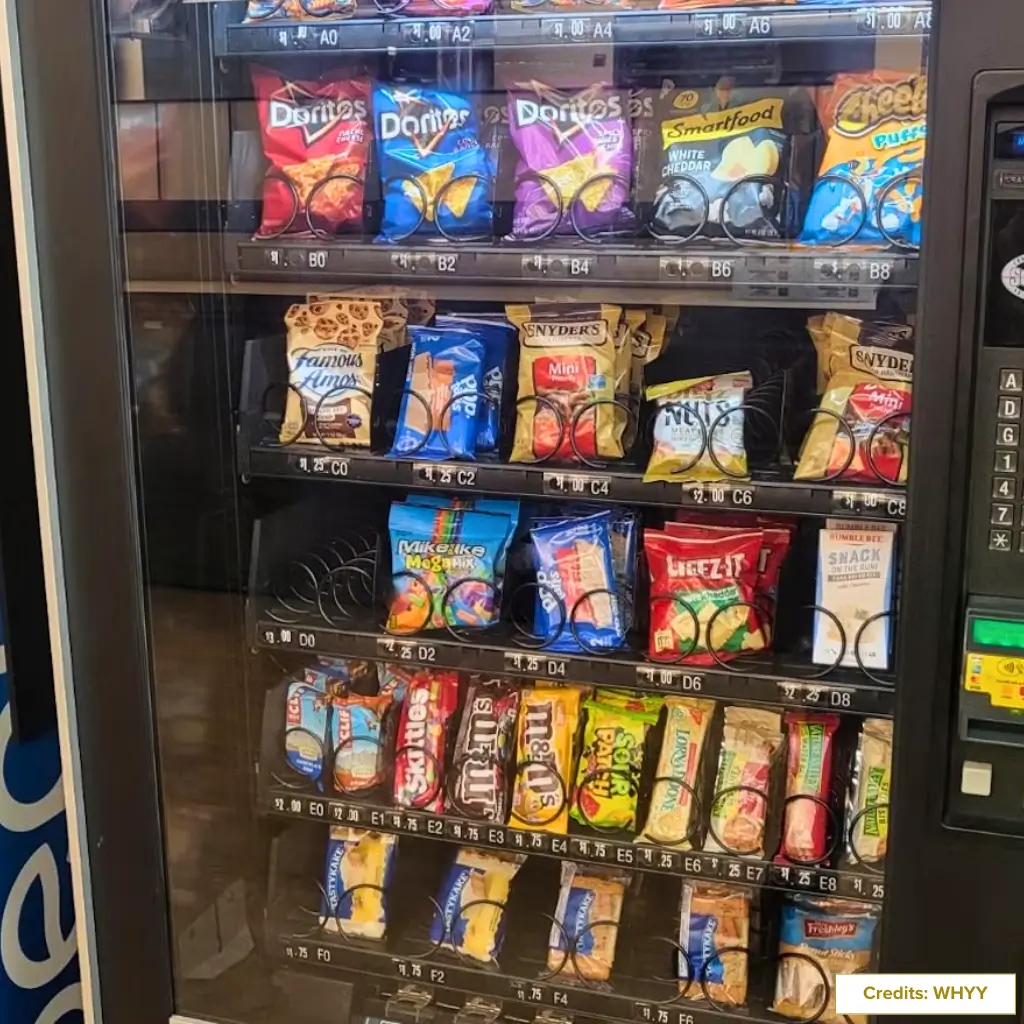
If poorly managed, vending machines can still offer sugary drinks or unhealthy snacks. Without proper oversight, this can contribute to poor eating habits and health concerns among students.
2. Limited Nutritional Awareness
Some machines provide minimal information about ingredients or nutritional value. However, modern digital screens can address this by clearly displaying product details and helping students make informed choices.
3. Competition with Traditional Food Services
If vending machines are not strategically positioned or managed, they may compete with cafeteria meal programs, potentially affecting revenue and participation in traditional dining services.
4. Distraction and Misuse
Machines placed too close to classrooms or corridors can cause noise and crowding during breaks. Without clear guidelines, they may become a distraction rather than a support tool.
5. Environmental Impact
Single-use packaging can contribute to waste. Schools must work with vendors to encourage recycling initiatives and environmentally responsible product sourcing.
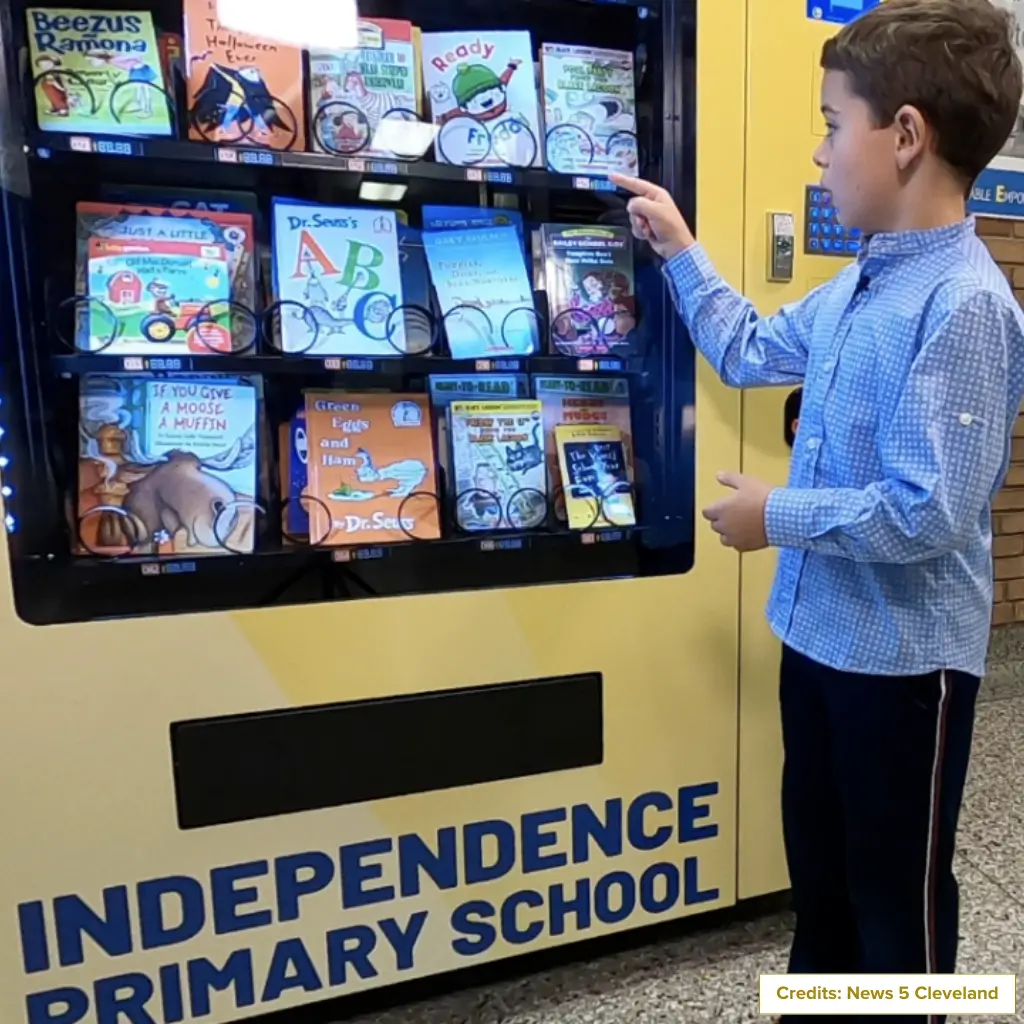
Benefits of Smart vending machines in school lunchrooms
· Benefits for High Schools
High school students often seek food outside the campus, raising concerns about safety and hygiene. Smart vending machines installed within a high school cafeteria environment reduce reliance on external vendors, improve campus security, and create a cleaner, more organized school perimeter.
· Benefits for Middle Schools
Middle school students are developing independence but still need structure. Smart vending machines within a middle school cafeteria help guide responsible food choices while limiting exposure to unsafe street food and unnecessary crowding at school entrances.
· Benefits for Elementary Schools
In schools without comprehensive lunch programs, smart vending machines support families by offering affordable and safe food options. An elementary school cafeteria enhanced with smart vending reduces parental stress while teaching children early responsibility in a controlled setting.
· Benefits for Private Schools
Parents expect private institutions to provide high-quality facilities and strong safety standards. Smart vending machines integrated into a private school cafeteria reinforce innovation, organization, and student-focused design while supporting revenue generation.
· Mutual Benefits for Schools, Students, and Vendors
Well-planned smart vending programs offer:
- Hygienic, regulated food options
- Improved campus safety
- Cleaner school entrances
- Affordable pricing for students
- Additional revenue for schools
- A more professional school image
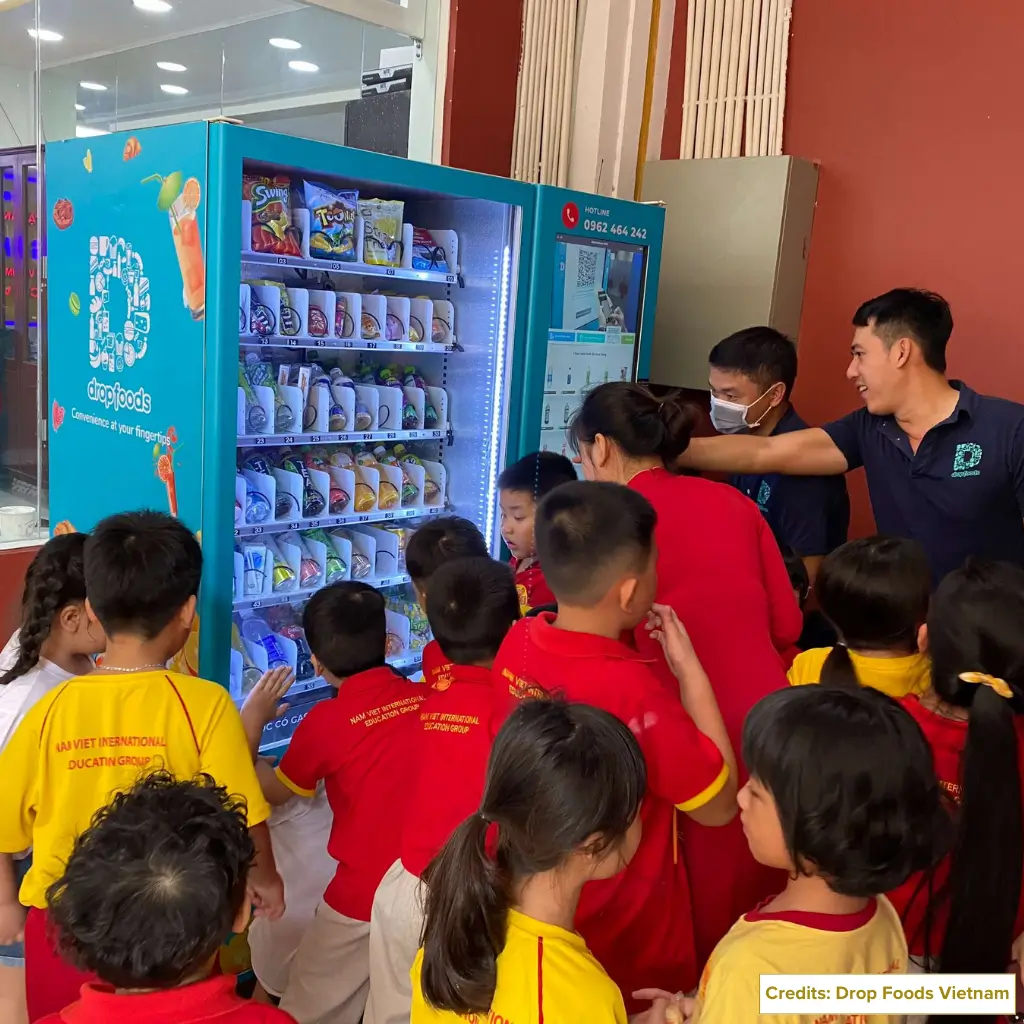
Challenges and Considerations When Implementing Smart Vending Machines
Smart vending machines can be a valuable addition to school campuses, but they are most effective when schools establish clear expectations and guidelines. Here are six key challenges to consider.
1. Keeping food safe and compliant
This challenge comes down to responsibility. Schools must ensure all items are sourced from approved suppliers, stored at the right temperature, and removed before expiration. Without consistent monitoring, food safety concerns can quickly erode trust with parents and staff.
2. Choosing age-appropriate products
Not all students have the exact needs. What’s suitable for older students may not be appropriate for younger ones. Schools need to label food allergens clearly and regularly review product selections to ensure they align with students’ age, dietary needs, and school health policies.
3. Gaining parental trust
Some parents worry that vending machines promote unhealthy eating or unnecessary spending. This challenge can be addressed through transparency, clearly communicating what products are offered, how pricing is controlled, and what limits are in place.
4. Managing costs and long-term value
Smart vending machines require a higher upfront investment than traditional vending. Schools should carefully review revenue-sharing models, maintenance responsibilities, and long-term financial sustainability before committing to any agreement.
5. Ensuring reliable technology
Because smart vending relies on software and connectivity, technical issues can occur. Machines need reliable power, stable internet, and responsive technical support to avoid downtime during school hours.
6. Integrating vending with cafeteria services
Vending should support existing food programs, rather than competing with them. Careful placement and coordination ensure vending machines fill access gaps rather than pulling students away from planned meals.
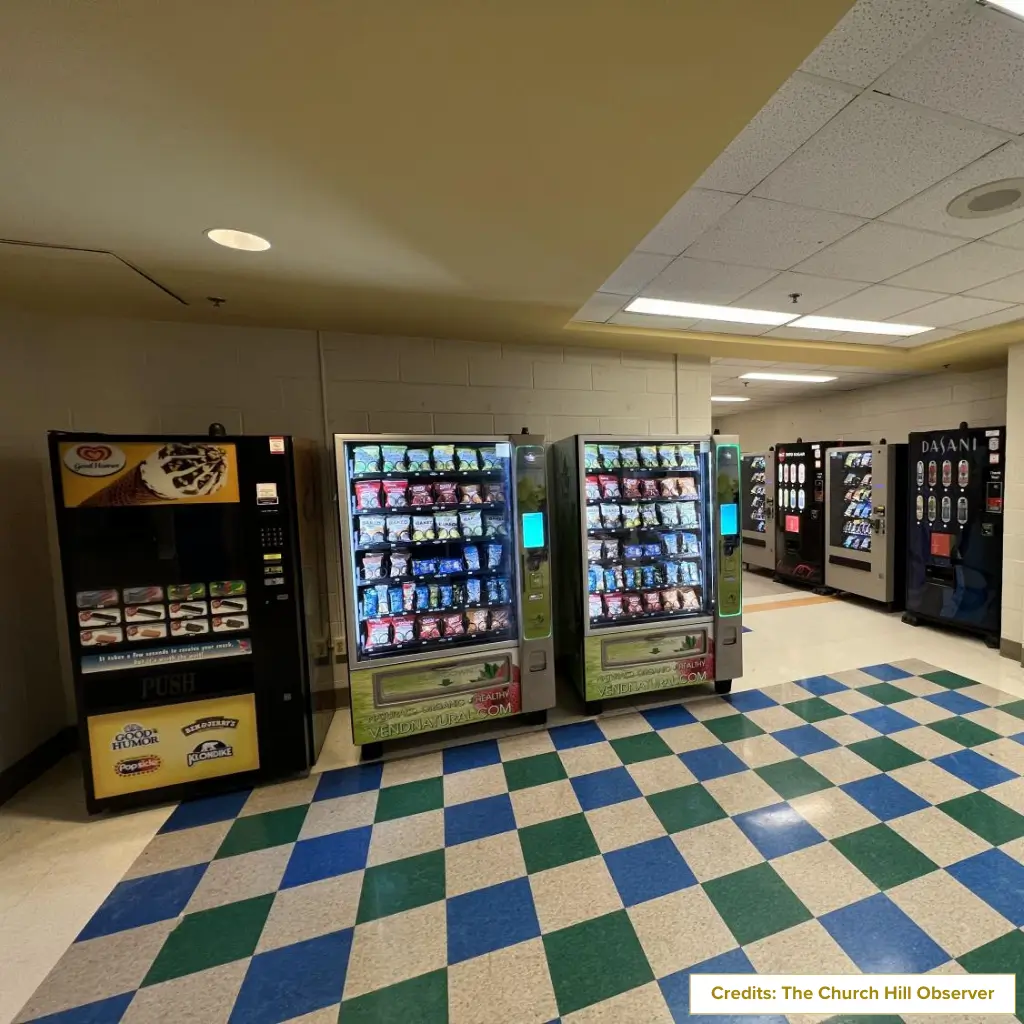
Best Practices for Schools Adopting Smart Vending Technology
Smart vending succeeds when it’s planned intentionally. Best practices include:
- Conducting a campus needs assessment to identify food access gaps
- Defining clear goals aligned with wellness, convenience, and revenue
- Selecting vendors with experience in educational environments
- Starting with a pilot program in high-traffic areas
- Using data analytics to refine product selection
- Gathering feedback through cafeteria survey questions
- Linking purchases to student IDs for spending oversight
- Keeping pricing affordable to ensure inclusivity
- Coordinating vending placement with cafeteria flow to avoid disruption
These steps help schools organize their school cafeteria while ensuring vending supports broader dining objectives.
Contact Us
At ICC, we believe smart vending delivers the greatest value when it’s part of a bigger, well-planned vision for your campus. We specialize in designing cohesive, technology-enabled dining environments that support student wellness, operational efficiency, and daily engagement.
Our team works closely with schools to utilize data-driven insights to refine menus, align smart vending with existing meal programs, and create food spaces that truly enhance the school cafeteria food experience. From initial layout planning to seamless technology integration, ICC partners with you every step of the way to build dining environments that reflect the future of school cafeterias.
If your school is ready to modernize its cafeteria ecosystem, CONTACT US TODAY. Let’s design a dining environment that works better for your entire school community.
Bringing It All Together
In conclusion, smart vending machines are more than a convenience—they’re a strategic tool for improving food access, supporting student wellness, and reducing pressure on school cafeterias. When integrated thoughtfully, they help schools create flexible, modern dining environments that meet the needs of today’s campus life.
FAQs
Are smart vending machines expensive for schools?
While upfront costs may be higher than those of traditional machines, most are vendor-managed, which reduces maintenance, restocking, and operational burdens. Revenue-sharing models can offset costs.
Can students pay without cash?
Yes. Many machines accept QR codes, apps, or student ID cards, making transactions faster, safer, and more convenient.
Can schools limit the amount of money students spend?
Yes. Many systems allow for spending limits per day or per student, which helps parents manage their budgets and prevent overuse.