Introduction
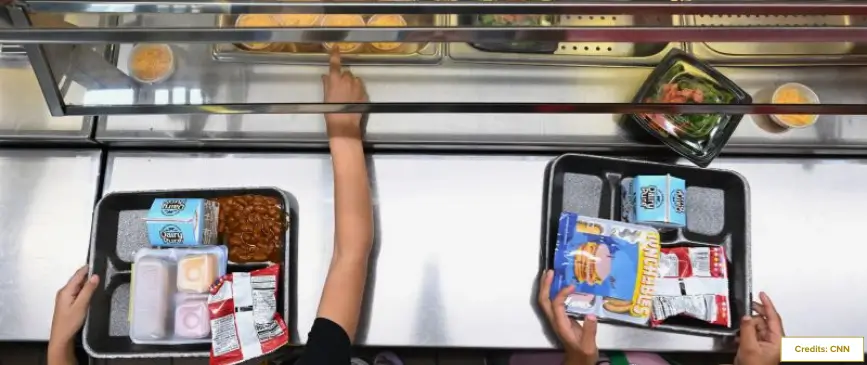
For more than a decade, educators, school nutrition leaders, and health advocates have been sounding the alarm about the steady rise of ultra-processed foods in American school cafeterias.
At Ingenious Culinary Concept, we witness the challenge firsthand as we partner with districts across the country. School nutrition teams work incredibly hard, often with limited staff, limited equipment, and limited time to feed hundreds or even thousands of students every day. Under these constraints, ultra-processed foods (UPFs) have understandably become a reliable part of the system. They are inexpensive, easy to store, fast to prepare, and consistent.
But as new research sheds light on their broad impacts on children’s health, learning, and behavior, the need for systemic change becomes clearer than ever.
This guide examines why UPFs are prevalent in school settings, their impact on children, and how schools can realistically transition toward healthier options without overburdening staff or budgets.
Understanding Ultra-Processed Foods and Their Prevalence in Schools
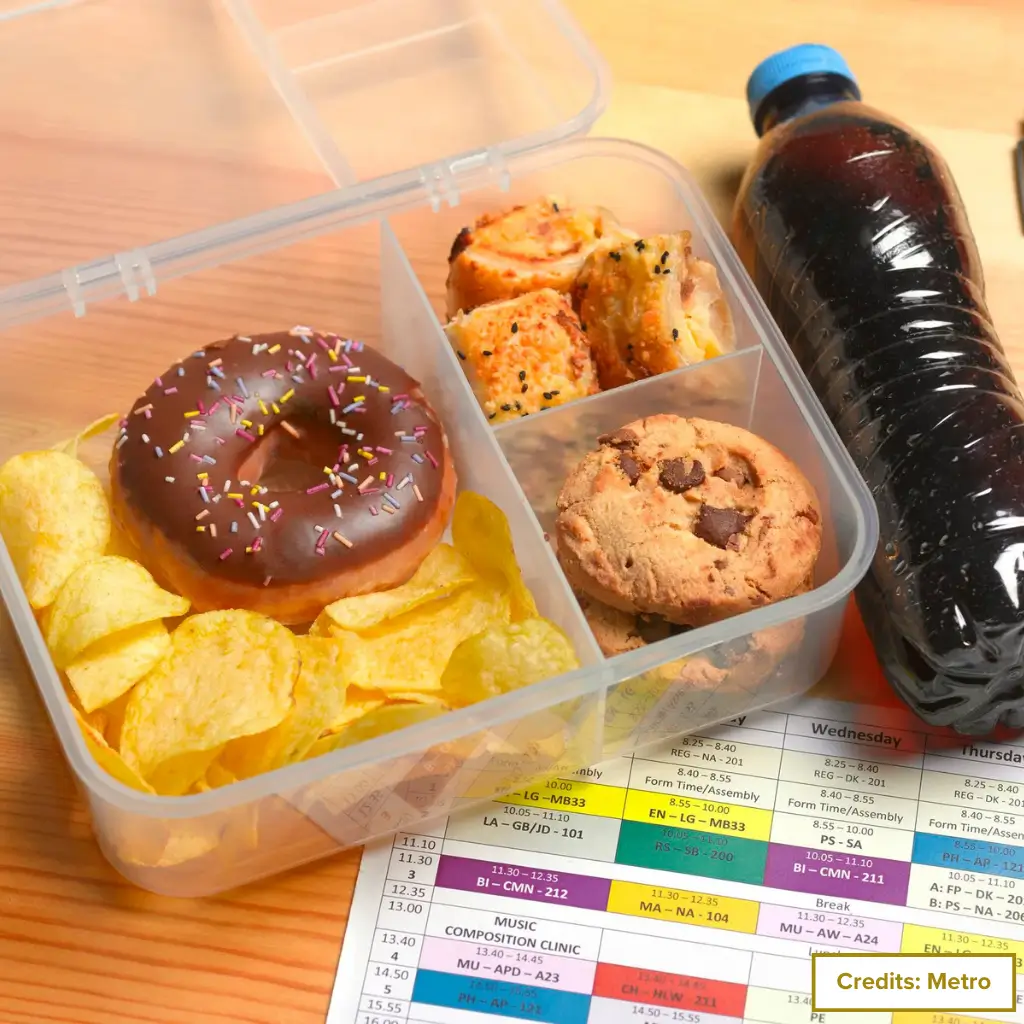
The Nova food classification system defines ultra-processed foods as industrially formulated products made primarily from refined ingredients, additives, flavor enhancers, stabilizers, colorants, and texturizers. These products are engineered to be hyper-palatable and shelf-stable. You’ll find them everywhere in schools:
- flavored dairy drinks
- heat-and-serve entrées
- packaged pastries
- chicken nuggets
- canned pasta
- pizza bites
- soft drinks, and snack bars.
According to the American Cancer Society’s 2024 data, approximately 67% of U.S. youth consume the majority of their daily calories from UPFs. This percentage is even higher among some racial and ethnic groups. When two-thirds of children’s total energy intake comes from foods with low nutritional value, the implications for long-term health are significant.
Yet the prevalence of UPFs is not the result of carelessness or lack of concern. It is the result of systemic and structural barriers that schools face every day such as:

1. Budget Pressures
School nutrition programs often operate on tight margins. It’s no surprise that many rely on items that are affordable, stable, and predictable. UPFs offer precisely that. Some directors may feel that the only option available within the constraints of cafeteria budgeting.
2. Staffing Limitations
Many cafeteria teams operate with minimal staff, especially in rural and high-need districts. With limited labor, it’s easier to heat prepackaged foods than to manage scratch cooking across multiple prep stations. Add to that the rising need for mental health in cafeteria staff, and it becomes clear that ease and efficiency often drive food choices.
3. Tight Serving Windows
Schools often have fewer than 20 minutes to serve hundreds of students. When meal lines move quickly, students eat; when they move slowly, they don’t. UPFs are proportioned, easy to heat, and consistently keep lines moving, reducing cafeteria behavior issues during rush periods.
4. Outdated Kitchen Design
Many school kitchens were built decades ago, with equipment designed for reheating rather than real cooking. Without adequate refrigeration, preparation space, and ovens, even skilled teams struggle to prepare fresh meals efficiently.
5. Supply Chain Predictability
Directors rely on stable deliveries. UPFs rarely run out, rarely change in quality, and rarely fluctuate in cost, which is something schools deeply value when planning meals months.
These constraints explain why UPFs dominate cafeteria meals and why meaningful change requires more than simply asking schools to “serve fresh food.” It requires redesigning the systems that serve children every day.
The Effects of Ultra-Processed Foods on Children’s Health, Learning, and Behavior
1. Physical Health and Obesity Risk
A substantial body of research connects UPFs with childhood obesity. Because UPFs tend to be calorie-dense but nutrient-poor, children can consume excess energy without getting the vitamins, minerals, or fiber they need. This imbalance disrupts appetite regulation and increases the likelihood of early weight gain.
2. Metabolic Health Concerns
Many UPFs contain high levels of added sugars, sodium, and unhealthy fats. These ingredients can contribute to insulin resistance, elevated blood pressure, and inflammatory responses even in elementary school kids. Teachers often report an immediate effect on afternoon alertness when students consume highly processed foods at lunch.
3. Gut Health and Immunity
Emerging evidence suggests that artificial sweeteners, additives, and food emulsifiers can disrupt the gut microbiome. A compromised microbiome impacts digestion, immunity, energy levels, and even mood. When students experience discomfort, fatigue, or weakened immunity, participation and attendance suffer.
Suggested Reading 👉🏼 Soda in Schools: A Healthy Choice or a Sugary Trap?
4. Cognitive Function and Academic Performance
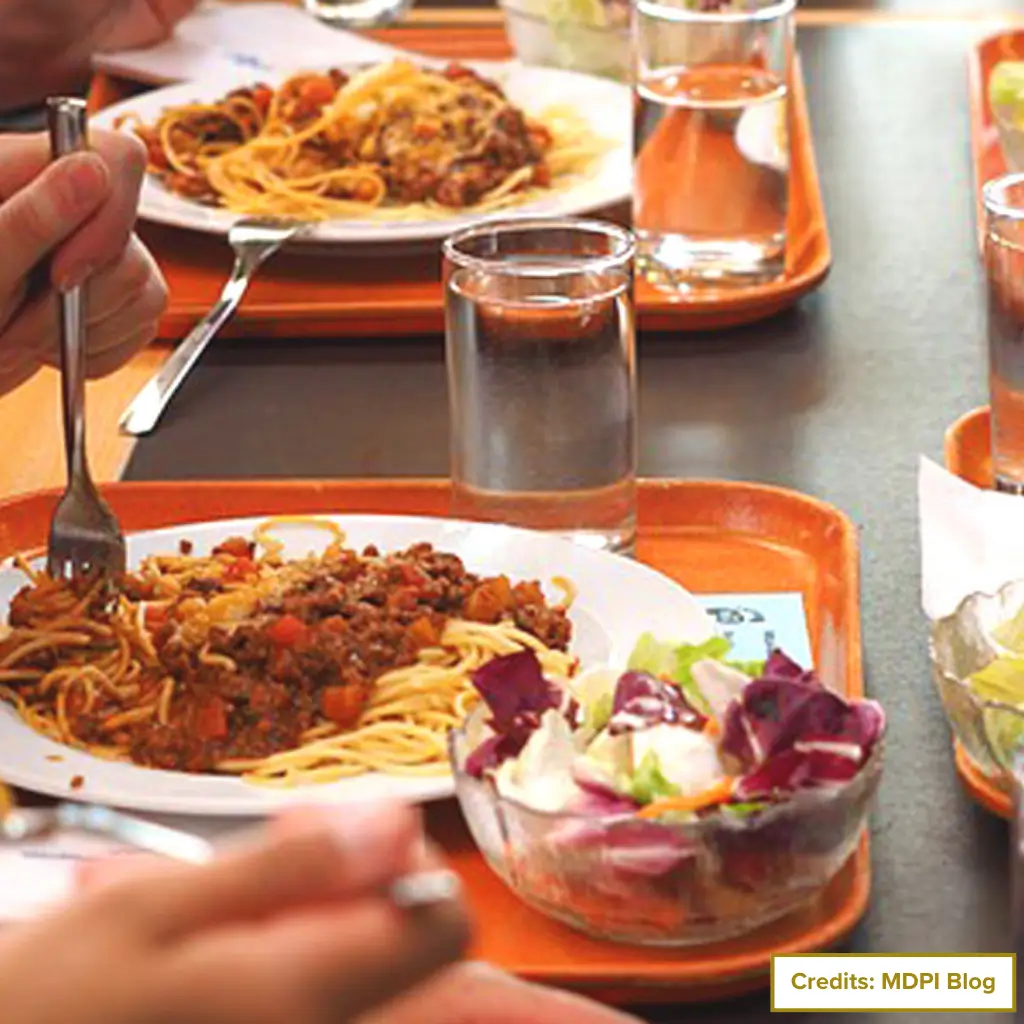
Several studies have linked high UPF consumption to poorer academic outcomes. High sugar or highly processed meals can lead to energy crashes, which in turn reduce the brain’s ability to sustain attention, retain information, and process new concepts. Though findings vary between populations, many educators anecdotally confirm what research suggests: when students eat fresh meals, they are more focused, more alert, and more prepared to learn.
5. Behavioral and Emotional Regulation
Artificial additives and colorants found in many UPFs may contribute to hyperactivity or behavioral challenges. Sugar spikes and crashes can create irritability or mood swings, making afternoons harder for children and teachers alike.
6. Sleep Quality
Children who consume high levels of processed sugars often experience irregular sleep patterns. Poor sleep leads directly to decreased morning focus, lower mood, and reduced academic readiness.
7. Long-Term Eating Habits
When children become accustomed to intense flavors engineered for immediate gratification, they may struggle to appreciate the natural flavors of whole foods. This complicates efforts at home and school to promote balanced eating patterns.
These combined impacts underscore how deeply UPFs influence the entire school ecosystem, academics, behavior, health, and social dynamics.
Suggested Reading 👉🏼 Best Lunch Menu Options for a School Cafeteria

Strategies Schools Can Use to Reduce Ultra-Processed Foods
The transition away from UPFs does not require perfection or rapid overhauls. It can be a slow and steady process, grounded in capacity, training, and system design.
1. Replace Items Progressively
Start by replacing just one UPF at a time. Perhaps a packaged dessert or flavored drink. Small changes prevent student pushback and reduce stress on staff.
2. Offer Fresh Grab-and-Go Options
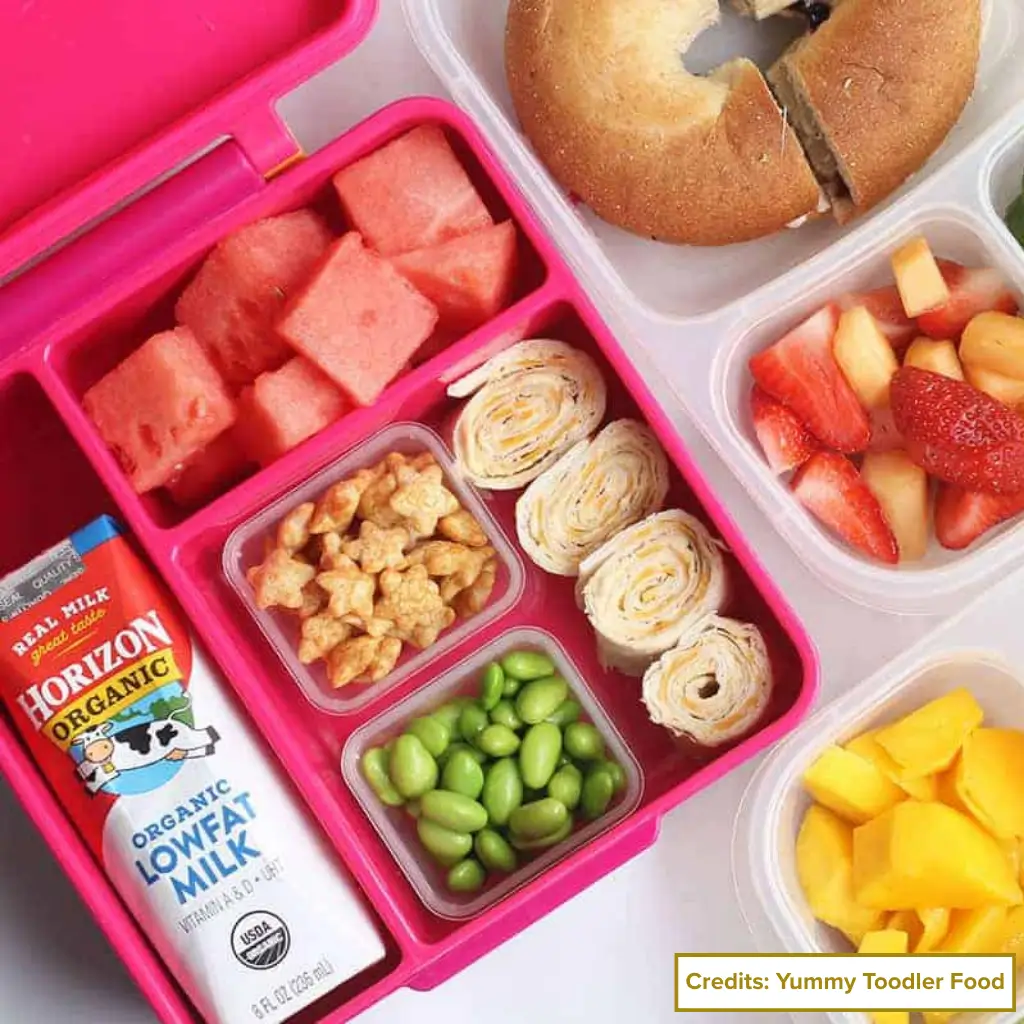
Modern cafeteria layouts and serving lines can support a range of creative, fresh options, including parfait cups, salads, wraps, and snack boxes. These increase convenience while improving quality.
3. Strengthen Culinary Skills
Short, practical culinary workshops give school cafeteria workers the confidence to prepare fresh ingredients efficiently. Training can also include how to incorporate the UPF element into food safety training, helping staff better understand its nutritional impacts.
4. Modernize Kitchen Workflow
One of the most powerful strategies is upgrading or redesigning kitchens. Better equipment, prep stations, and traffic flow can reduce labor demands, enabling the preparation of fresh food without compromising service.
5. Engage Students in Menu Creation
Schools that involve students through tastings, surveys, and collaborative cooking events report higher acceptance of new menu items. When students feel a sense of ownership, they are more willing to try healthier options.
6. Improve Procurement Practices
Partnering with local farmers and regional suppliers reduces reliance on packaged items and often results in fresher, more nutrient-dense ingredients.
7. Make Healthy Food More Visually Appealing
Good lighting, attractive display cases, and welcoming signage, such as a well-designed cafeteria menu board, can significantly influence the choices students make.
8. Use Visual & Cultural Tools to Reinforce Healthy Eating
Murals, posters, and themes can reinforce a positive atmosphere. A bright cafeteria mural or a seasonal cafeteria theme can spark curiosity about fresh foods.
9. Communicate with Families
When parents understand the changes being made, they can support and reinforce healthy eating habits at home.
Taken together, these strategies create a system in which fresh food becomes easier, more efficient, and more appealing.
Suggested Reading 👉🏼 How To Promote Healthy Eating in School
How ICC Supports Schools in This Transition
ICC specializes in transforming cafeterias into high-performance, student-centered environments. Our work is grounded in practical system design that reduces operational burdens while increasing access to fresh, nutritious meals.
1. Modern Kitchen and Serving-Line Design
We create spaces that enable efficient fresh-food preparation. Whether in a high school cafeteria, an elementary setting, or even private school cafeterias, we focus on usability, workflow, and student experience.
2. Workflow and Labor Optimization
Our designs reduce unnecessary movement and eliminate bottlenecks. This supports staff well-being and helps maintain smooth service even during peak periods.
3. Menu Planning with a Fresh-Food Focus
Drawing on insights from USDA school cafeteria recipes, we help districts develop menus that strike a balance between nutrition, student preference, cost, and convenience.
4. Student Engagement Resources
We help schools build excitement around healthy food from signage to themed promotions that promote healthy decision-making.
5. Technology Integration
Digital menu screens, intelligent inventory systems, and efficient POS tools help streamline service and improve the student dining experience.
6. Long-Term Partnerships
Beyond design, we support schools as they adapt to ongoing needs. Whether during a school cafeteria health inspection, menu redesign, or shifts in federal guidelines through the National School Lunch Program.
Our mission is simple: make fresh, nutritious food easy, efficient, and enjoyable for everyone.
Conclusion: A Healthier Path Forward
Ultra-processed foods became entrenched in school cafeterias because they offered affordable, predictable solutions at a time when schools needed them most. But now, with emerging evidence about the effects of UPFs on health, learning, and behavior, it’s clear that the system must evolve.
With the right tools, thoughtful design, and a collaborative approach, schools can dramatically improve school cafeteria food not through pressure, but through empowerment.
At ICC, we’re honored to help districts nationwide move toward a future where every child, every day, has access to meals that nourish learning, health, and lifelong well-being. If you’re ready to take the next step toward transforming your cafeterias, improving student outcomes, and building a sustainable meal program your community can be proud of, reach out today.
LET’S BUILD HEALTHIER SCHOOL FOOD TOGETHER.
FAQs
Q: Why are ultra-processed foods common in school cafeterias?
They’re cheap, convenient, and easy to store, making them attractive for large meal programs.
Q: What makes a food “ultra-processed”?
Foods with many artificial ingredients, additives, and industrial processing steps fall into this category.
Q: Are ultra-processed foods harmful for students?
Frequent consumption is linked to obesity, diabetes risk, and poorer overall nutrition.