Introduction
School cafeterias feed more students every day than most restaurant chains do in a week. For millions of children, especially those who rely on free and reduced lunch programs, that food tray may be the most dependable nutrition they get all day. That means food safety isn’t just policy, it’s PROTECTION.
Yet many school kitchens are still operating in outdated spaces designed for entirely different eras of food service. Narrow layouts, limited handwashing access, and lack of visual temperature monitoring are not minor inconveniences. They’re daily hazards.
While training matters, the environment determines behavior.
You can tell staff to follow procedures all day, but even the best employees will struggle if the sink is 20 steps away or the cold storage is too cramped.
That’s why Ingenious Culinary Concepts (ICC) takes a different stance: foodborne illness prevention shouldn’t rely on constant vigilance; it should be built into the walls, the workflow, and the equipment itself.
This guide breaks down how schools can reduce foodborne illness risks through:
- Smart operational practices
- Engaging staff and students in daily prevention
- And most importantly, leveraging strategic facility design eliminates safety hazards before they happen.
Why Foodborne Illness Prevention in Schools Can’t Be Left to Policy Alone
Many schools rely on training manuals, posters, or verbal reminders to drive safety habits. But if a kitchen layout forces raw chicken to travel past ready-to-eat salad bowls, or if the only handwashing sink is behind a serving station, even well-trained staff will take shortcuts. Parents often wonder if school lunches are healthy? But safety is just as important as nutrition.
Other countries as seen in school lunches across the globe design student meal programs with precise sanitation traffic flow from the beginning. American facilities are now catching up, driven by rising safety regulations and parental expectations.

But there’s an even bigger motivator: school foodborne illnesses are expensive. They cause lost attendance, medical bills, and reputational fallout. That’s why safety needs to be more than compliance it needs to be automatic.
Suggested Reading 👉🏼 Why is Nutritional Education Important for Schools?
Most Common Causes of Foodborne Illness in Cafeterias
Foodborne illness rarely comes from one dramatic failure usually death by a thousand small details. The usual culprits include:
- Improper Time and Temperature Control: When foods stay in the “danger zone” (41°F–135°F) too long, bacteria multiply rapidly. Overloaded walk-ins and poorly placed thermometers make it easy for ingredients to sit in limbo longer than intended.
- Cross-Contamination Between Raw and Ready-to-Eat Foods: Shared prep surfaces, rinsed but not sanitized cutting boards, and utensil re-use spread pathogens invisibly.
- Inadequate Hot-Holding or Cooling Equipment: Even when food is cooked correctly, it becomes vulnerable if hot-holding temperatures dip or leftovers cool slowly.
- Aging Infrastructure That Makes Safety Harder: Tight layouts turn sanitation into an afterthought. Poor ventilation forces open doors. Lack of dedicated zones causes workflow overlap. Old equipment lacks consistency.
Even environmental factors matter. For instance, older kitchens struggle to handle ventilation loads especially when breakfast in cafeterias starts before complete cleanup from lunch prep. Hot, stuffy kitchens lead to rushed tasks and skipped sanitation procedures.
Outdated facilities make safety harder precisely why ICC rebuilds cafeterias around behavior, not just blueprints.
Suggested Reading 👉🏼 School Cafeteria Food Facts — Behind the Tray
Proven Strategies for Foodborne Illness Prevention in School Kitchens
Telling staff to be careful only goes so far. Structuring the kitchen so that unsafe behavior is inconvenient or impossible is far more effective.
1. Prevent Cross-Contamination by Design
USDA studies have shown that only a third of people sanitize prep surfaces properly after handling raw meat. In busy school settings, that percentage is likely lower.
Instead of relying on staff memory, assign color-coded tools for high-risk ingredients—red for raw meat, green for produce, yellow for cooked proteins. ICC expands on this by integrating storage colors, wall signage, and workstation lighting to reinforce separation visually and spatially.
This isn’t just helpful in large campuses, but small school cafeterias benefit even more, because tight spaces multiply risk when not zoned intentionally.
2. Master Time and Temperature Control
The USDA defines 41°F to 135°F as the “danger zone” where bacteria multiply rapidly. Kitchens must use precise, measurable controls to avoid lingering in that range. Instead of handwritten logs, ICC integrates digital readouts and temperature alarms that trigger corrections instantly.
Even outdoor school cafeteria service programs — popular for reducing congestion in indoor halls need insulated equipment that maintains proper holding temperatures without relying on staff guesswork.
3. Prioritize Personal Hygiene as a Workflow, Not a Rule
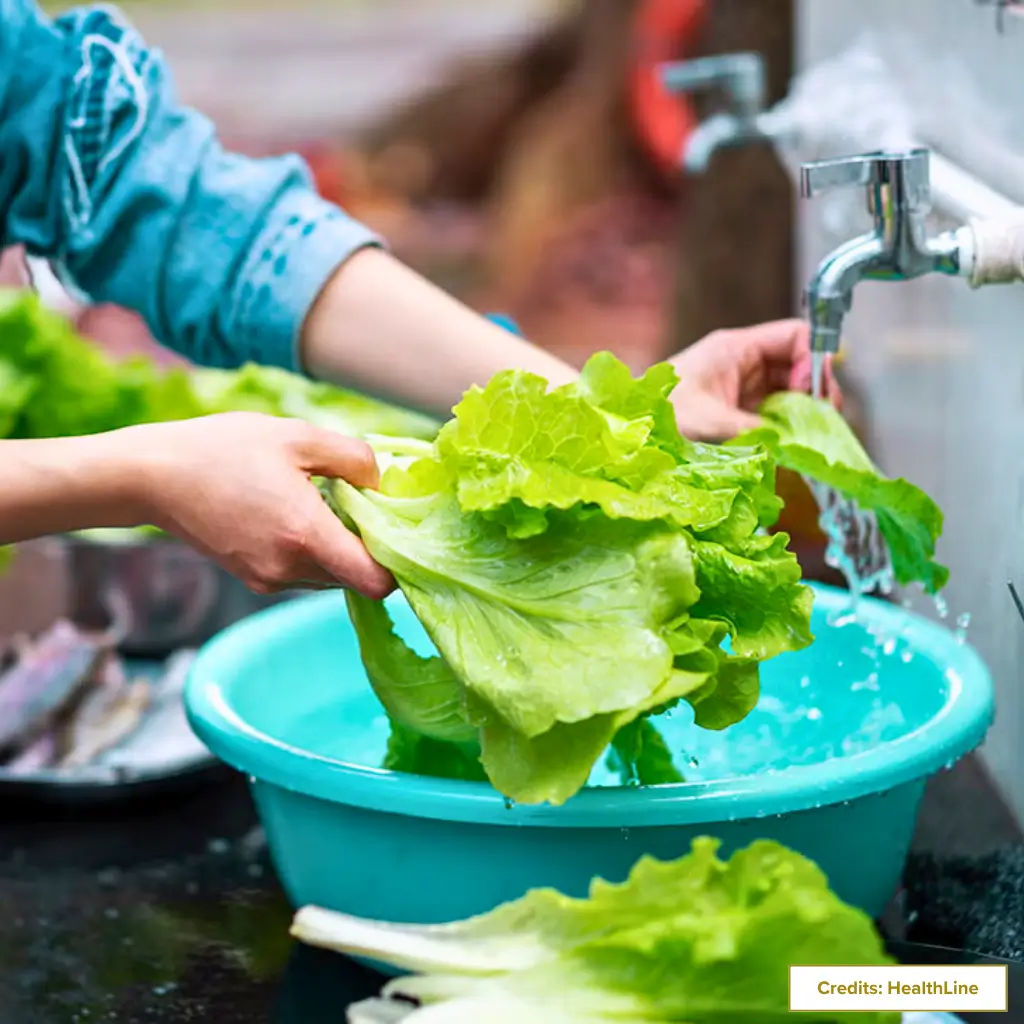
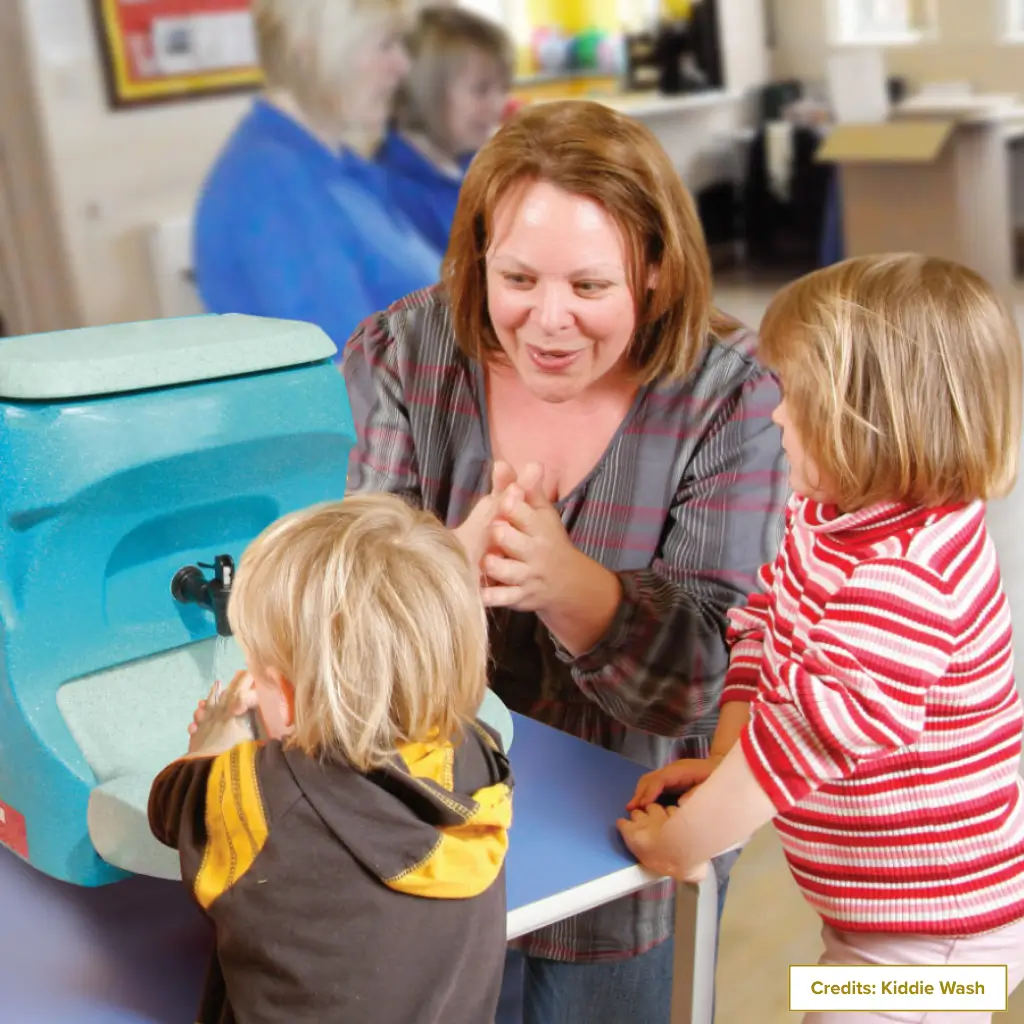
Handwashing is the simplest yet most ignored food safety step. The FDA allows sanitizers only after proper handwashing with soap and water. But when hand sinks are inconvenient, people skip them.
ICC places hands-free wash stations at every central transition point: delivery dock, prep station, serving line. Whether the school operates a traditional setup or follows zero-waste school cafeteria practices where utensil-sharing is common, hygiene must be effortless and frequent.
4. Monitor and Make Compliance Visible
Visual accountability is robust. Instead of hiding checklists in binders, ICC places real-time temperature dashboards near prep counters. Supervisors can immediately verify holding temperatures without opening a cooler door.
Some districts overlay these dashboards with weekly cleaning routines inspired by their school cafeteria cleaning checklist, turning good habits into public commitments rather than hidden to-dos.
Suggested Reading 👉🏼 How to Improve School Cafeteria Food
5. Manage Employee Illness With Clarity
One sick staff member can contaminate an entire serving line. Employees experiencing vomiting, diarrhea, or diagnosed with foodborne illness must be excluded until symptom-free — without guilt or pushback.
ICC supports this by building dedicated staff handwashing and break areas, reinforcing wellness. When kitchens are designed with clear separation between food zones and employee spaces, policies become easier to enforce.
6. Separate Raw and Ready-to-Eat Food By Flow, Not Just Rules
Instead of telling staff, “don’t let paths cross,” design paths that physically can’t cross. ICC rethinks delivery, prep, cooking, plating, and distribution as linear, one-directional movement—so raw chicken never travels past fresh fruit.
7. Extend Food Safety Education to Parents
Not all food entering school buildings comes from the cafeteria. Lunchboxes can carry just as much risk.
That’s why ICC encourages districts to include seasonal safety reminders covering topics like reducing food waste in schools, cooling packs, fruit drying methods, and insulated bag recommendations. Food safety isn’t just an in-house responsibility; it’s a partnership. Yet most families don’t intentionally send unsafe meals; they don’t know the risks.
Suggested Reading 👉🏼 How to Start a Composting Program in Your School Cafeteria
Empowering People: Training Staff and Engaging Students
Even with great design, people still matter. Food safety training must evolve beyond lecture. The future lies in interactive, on-location micro-training conducted right at the station of risk.
ICC often incorporates visual prompts on equipment for example, image-based guides for food allergens labeling at salad bars or digital alerts when sanitizing rinse cycles are overdue.
Students can be part of the culture, too. Some schools even recruit “Sanitation Captains” for peer-led handwashing reminders particularly effective in younger grades.
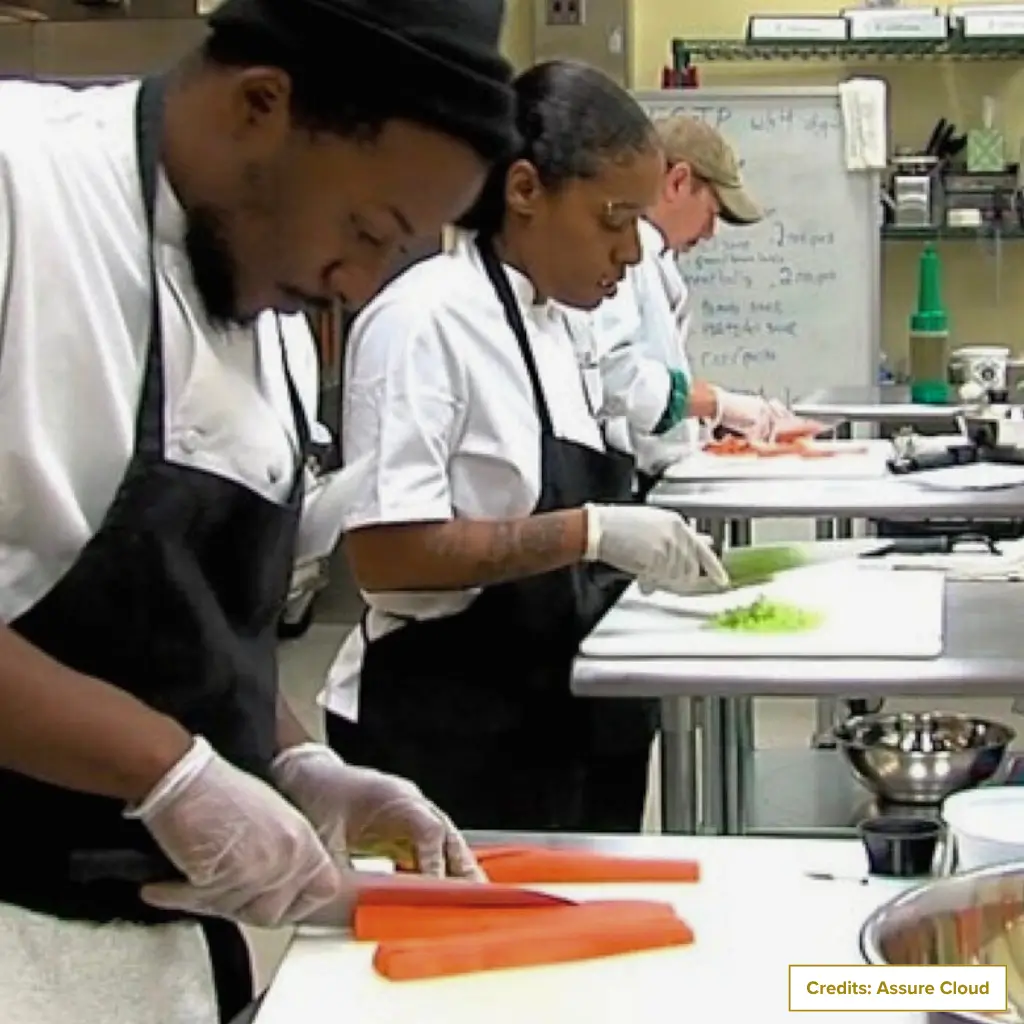
How ICC Helps Schools Build Safer, Smarter Cafeterias
Food safety experts worldwide agree: the kitchen layout determines the likelihood of contamination more than any manual.
ICC proves this daily by transforming outdated kitchens into self-regulated safety environments. Instead of depending on people remembering dozens of steps, ICC makes the proper steps the easiest.
For example:
- Replacing outdated warmers with temperature-controlled holding equipment that locks below minimum thresholds
- Redesigning meal service paths to separate entry and exit — significant in private school cafeterias where presentation is prioritized
- Installing rapid-chill refrigeration to support secondary meal prep or the future of school cafeterias‘ strategies, like pre-portioned grab-and-go models
Your kitchen should fight bacteria, not fight your staff.
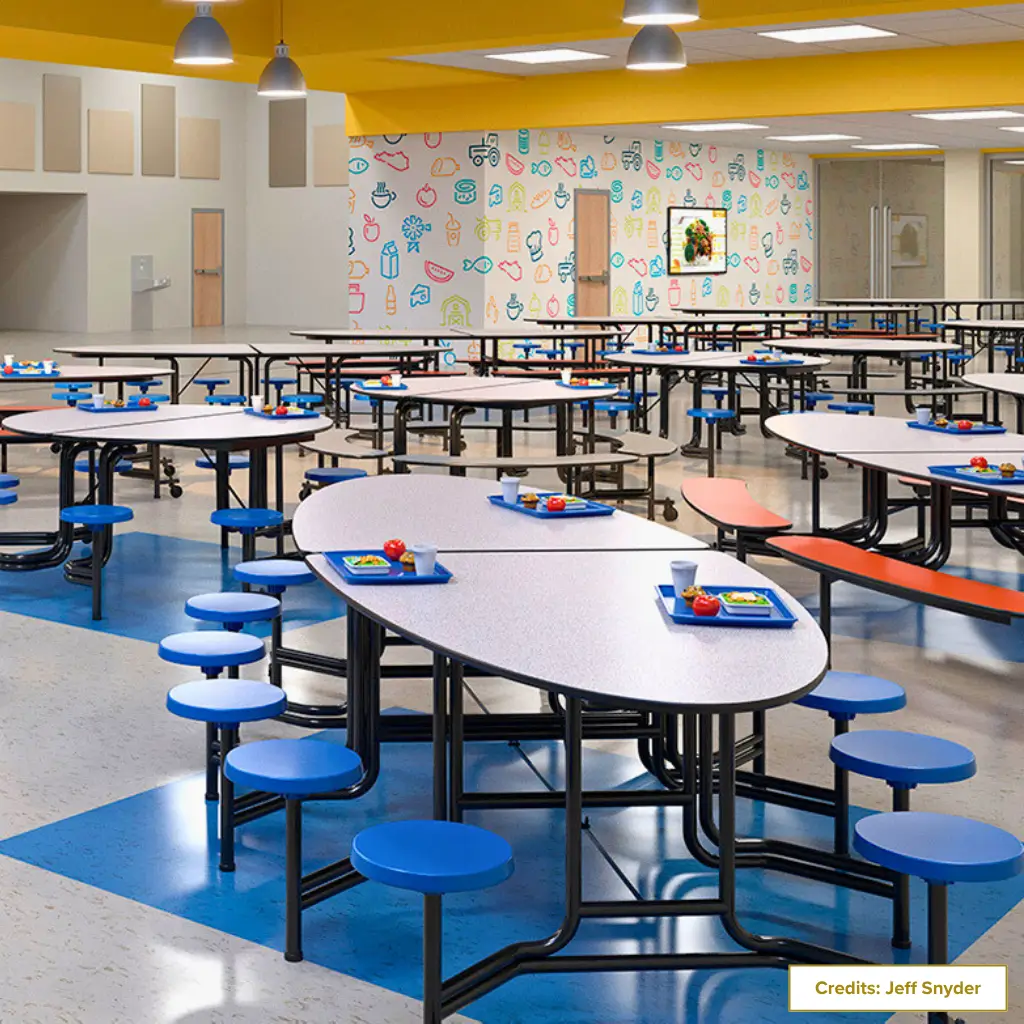
Conclusion: Stop Fighting the Kitchen, Redesign It
Foodborne illness prevention should not rely on reminders, posters, or luck. It should be engineered directly into the building. If your staff works against your kitchen instead of with it, the facility – not the people – is the problem.
That’s the ICC difference. When we modernize a cafeteria, we don’t just install equipment. We build protection. We build trust. We build peace of mind.
Whether feeding 200 students or launching a districtwide food safety initiative, we help you design a kitchen that works with your team, not against them.
Ready to future-proof your foodservice space?
ICC is ready when you are.
FAQs
What are five food preparation tips for preventing foodborne illness?
Wash hands and surfaces regularly, keep raw and cooked foods separate, cook foods to proper temperatures, refrigerate leftovers promptly, and always use clean utensils and sanitized cutting boards.
What causes foodborne diseases?
Foodborne diseases are mainly caused by harmful bacteria, viruses, parasites, or toxins that enter food through improper handling, storage, or contamination from dirty surfaces, water, or hands.
How can foodborne illnesses be prevented?
Maintain good hygiene while cooking, store foods at safe temperatures, avoid undercooked items, check expiration dates, and always use clean water and fresh ingredients to reduce the risk of contamination.