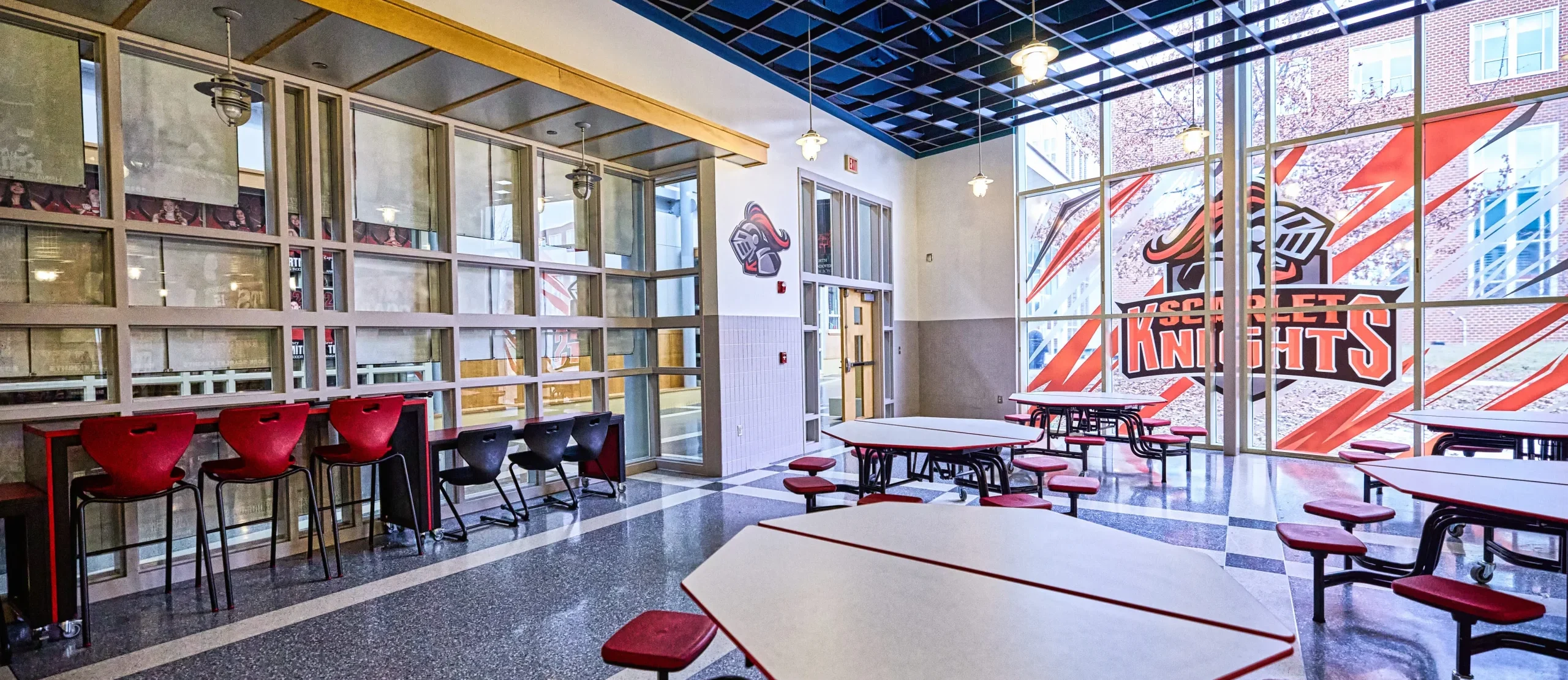
Introduction
What if the school cafeteria could think ahead….
predict what students want to eat.
cut down on waste, and
make lunch lines move faster than ever?
That’s not a dream anymore.
Thanks to artificial intelligence (AI) and automation, school dining is entering a new era—more innovative, efficient, and focused on students’ needs.
Across the country, schools are discovering that AI can do far more than help with homework. It’s transforming how cafeterias plan meals, manage inventory, and serve food. These innovative systems are saving money, reducing stress, and helping students make healthier choices every day.
At the center of this evolution is Ingenious Culinary Concepts, a design and innovation partner helping educational institutions merge advanced technology with practical, human-centered design. ICC’s mission is clear: to create future-ready dining environments that are efficient, inclusive, and deeply connected to student well-being.
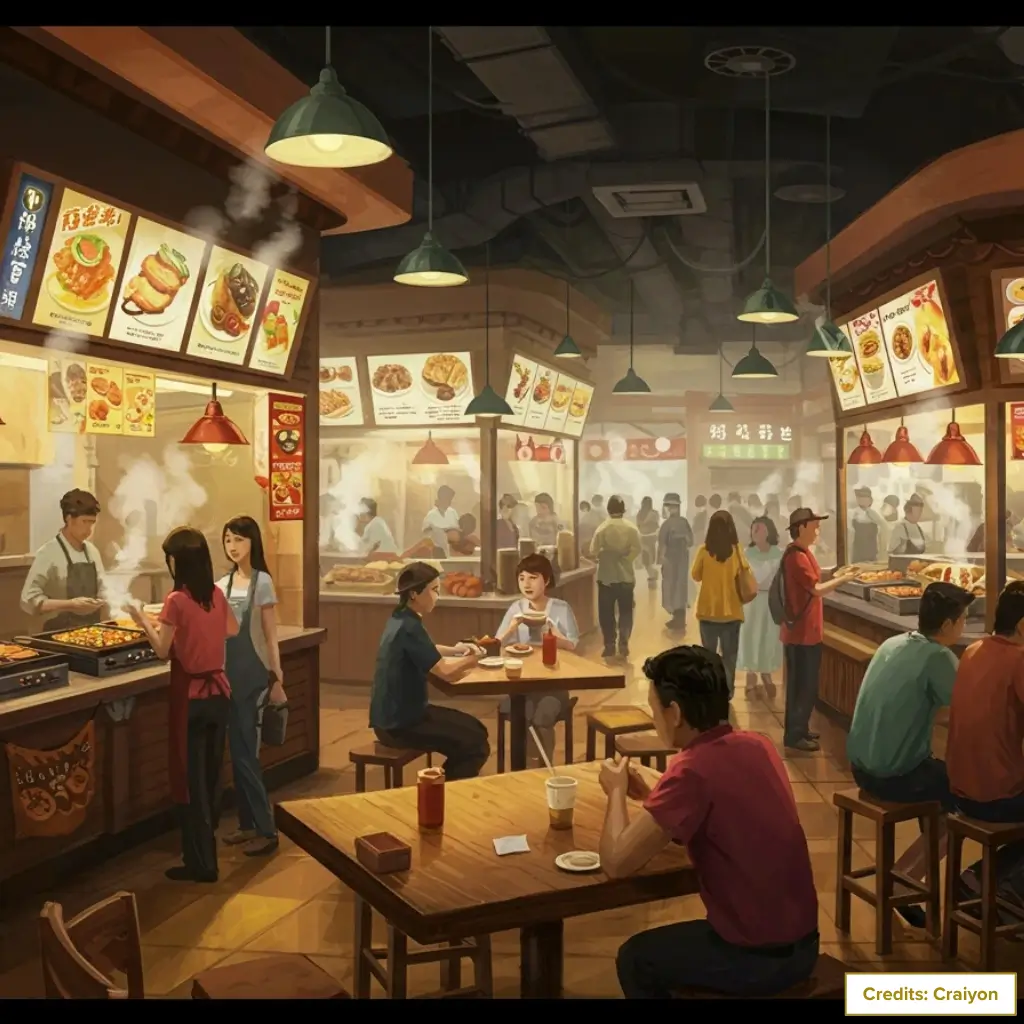
Why School Cafeterias Need AI Now
School cafeterias today face growing pressure to do more with less. Serve more students, offer more options, and meet more nutritional and environmental goals, all within tight budgets. AI provides a timely and transformative solution.
Schools need AI because it helps:
- Predict exactly how much food to prepare, cutting waste and saving costs.
- Cafeteria staff can plan better and spend less time reacting to last-minute changes.
- Kitchens know how many meals to make, preventing shortages or oversupply.
- Data helps nutritionists and students make informed food decisions.
- Seamlessly connect with POS, attendance, and student data platforms for accurate forecasting.
- Give parents and students visibility into meal ingredients, nutrition, and sustainability data.
- Use digital menus and feedback tools to involve students in menu planning and sustainability efforts.
- Suggest meals that match students’ dietary needs, allergies, or cultural preferences.
For many of these reasons, whether a small school cafeteria or an ample campus dining space, AI gives every team better control and confidence.
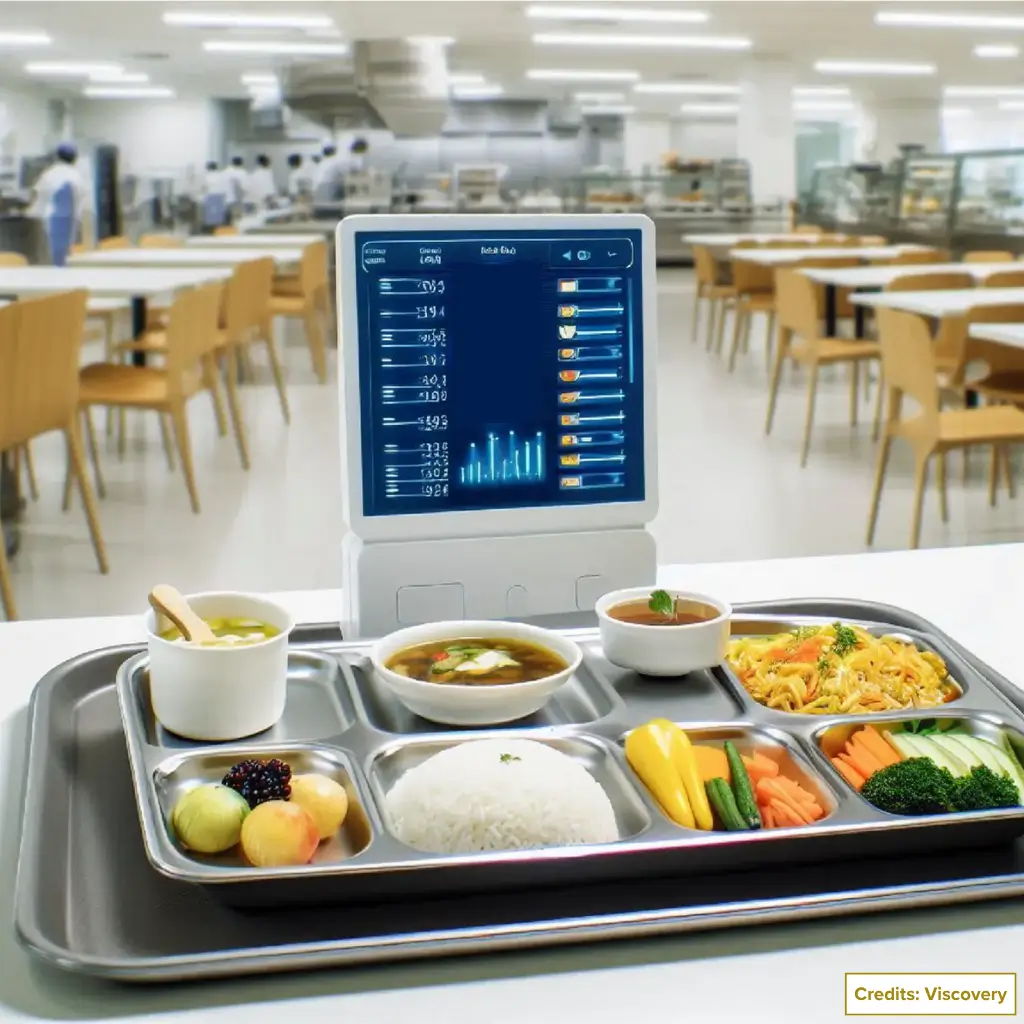
How Artificial Intelligence Transforms School Lunchrooms
AI isn’t just about machines—it’s about more intelligent systems that support people. In cafeterias, it changes how meals are ordered, cooked, and served.
Let’s look at how AI enhances and uplifts cafeteria operations, design, and much more.
– Enhancing the Student Dining Experience
AI gives students more control and convenience:
- Personalized Menus: Recommends meals based on preferences, health goals, or food allergens.
- Faster Service: Mobile pre-ordering shortens lines, giving students more time to eat.
- Engagement Tools: Digital surveys gather feedback to improve menus.
- Convenience and Engagement: Students browse, customize, and order ahead on digital platforms.
- Inclusivity: Voice-enabled kiosks help students with disabilities order independently.
AI also supports a variety of dining models and designs that make lunch more interactive, comfortable, and inspiring. AI-driven tools empower students to run a cafeteria by helping students learn budgeting, scheduling, and sustainability firsthand.
The result? A modern school cafeteria where students feel seen and supported.
– Using AI to Improve Food Safety and Quality
Food safety is non-negotiable, and AI elevates standards in this critical area.
- Smart Sensors: Monitor food storage and cooking temperatures, ensuring freshness and compliance.
- Predictive Alerts: Identify potential equipment failures before they affect food quality.
- Traceability: Track ingredients from supplier to serving tray, providing complete transparency.
- Automated Hygiene Checks: AI image recognition tools verify cleanliness in real time.
- Compliance Reporting: Automated logs simplify school cafeteria health inspections and keep schools audit-ready.
By combining smart sensors with predictive analytics, schools deliver delicious, consistently safe, and efficiently managed meals – protecting students, reducing waste, and enhancing food safety training for cafeteria staff.
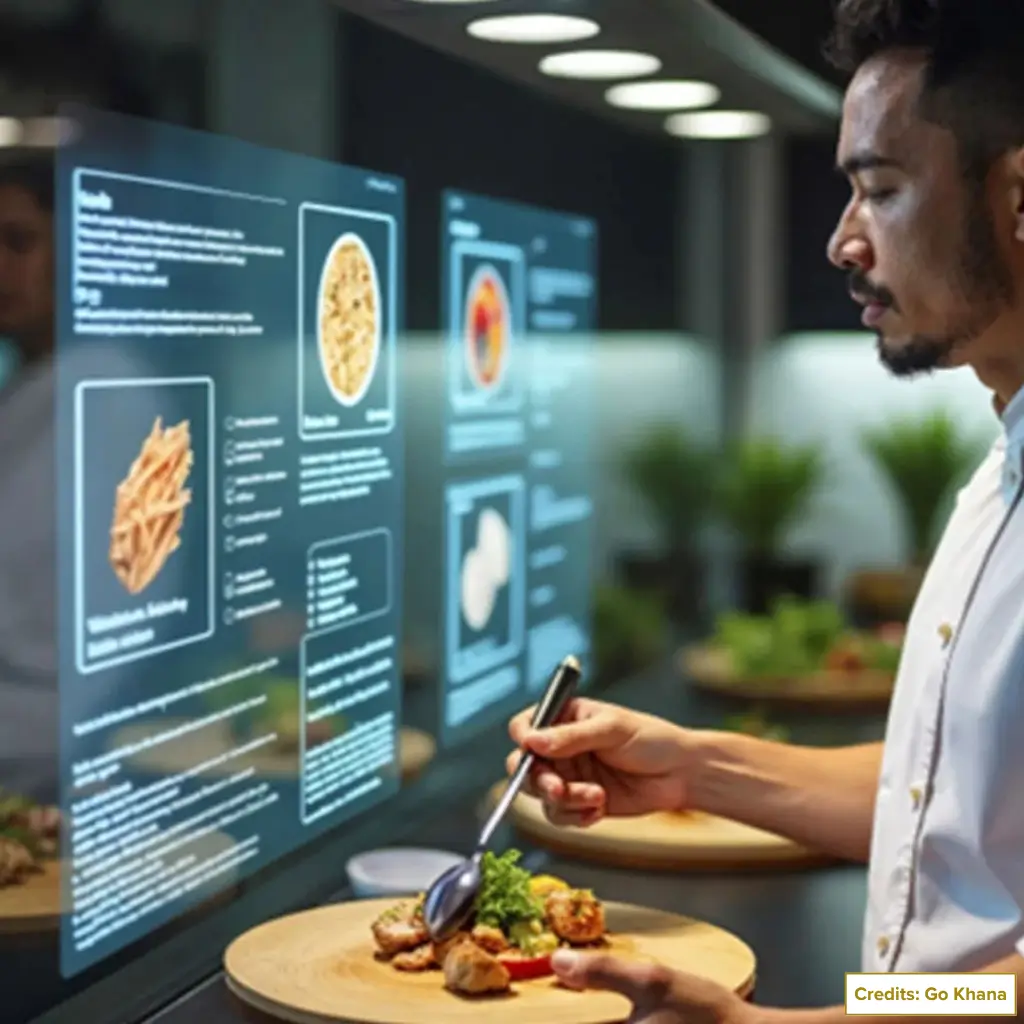
– Streamlining Cafeteria Operations Through Automation
AI brings structure and predictability to busy kitchens. It turns complex food service operations into smooth, predictable systems.
- Scheduling: AI forecasts staffing needs based on attendance, weather, or events.
- Automated Payments: Contactless systems, facial recognition, or RFID make checkout quick and secure.
- Portion Control: Precision-serving tools help manage costs and reduce waste.
- Dynamic Menus: Adjust offerings based on availability or popularity.
- Real-Time Dashboards: Provide insights into sales, waste, and performance metrics.
These tools further help schools strategically manage a school cafeteria, aligning labor, inventory, and service around real data—not guesswork.
– Designing Smarter Cafeteria Spaces
Design plays a significant role in how AI systems work. With ICC’s expertise, technology, and layout work, the cafeterias are efficient and welcoming.
- Traffic Flow Data: Prevents long lines and crowding.
- Equipment Placement: Ensures smooth food prep.
- Energy Efficiency: Lighting and ventilation adapt automatically.
- Flexible Design: Schools can test layouts digitally before building.
- Enhanced Ambiance: Environmental controls improve comfort and social interaction.
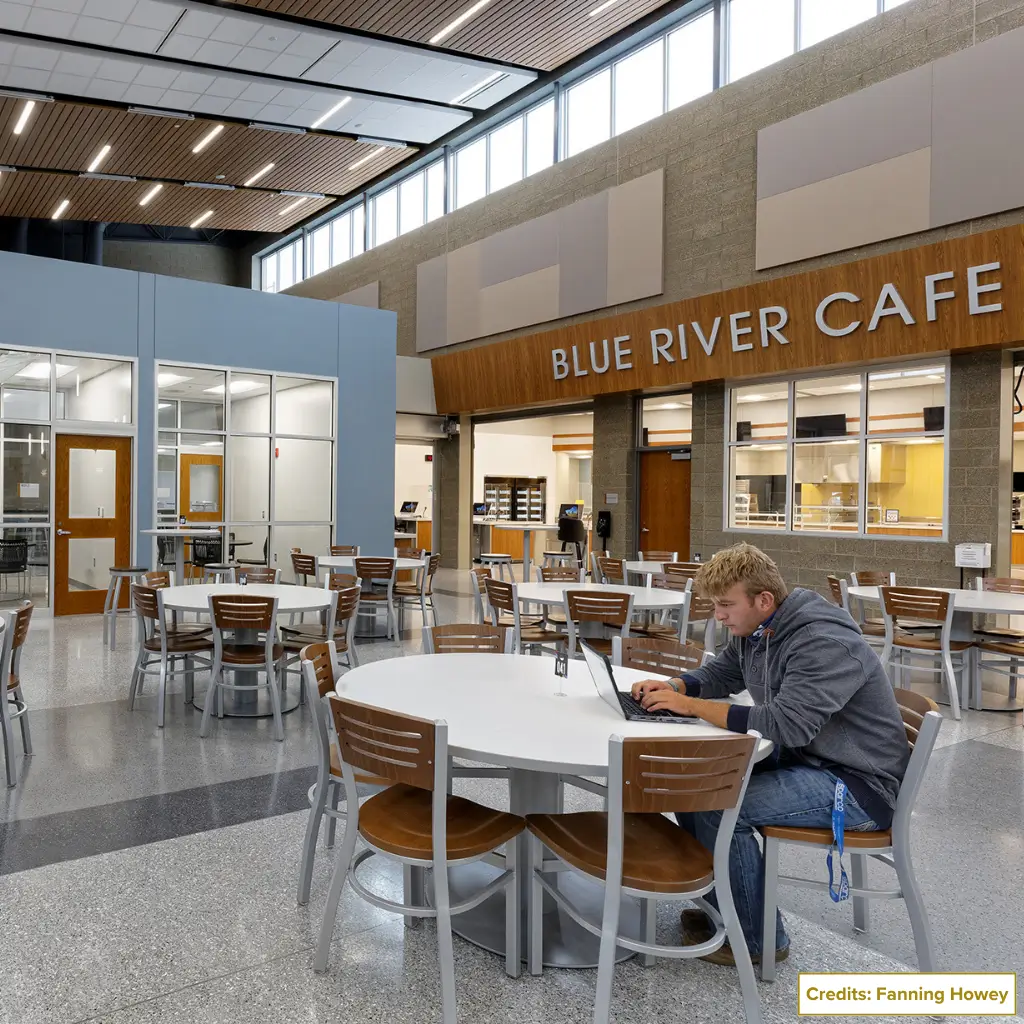
These insights help schools choose the best flooring for durability, pick the proper cafeteria seating for your school, and plan spaces that balance comfort with efficiency.
– Promoting Sustainability Through Intelligent Systems
Sustainability is one of the most urgent challenges facing schools today and one of the areas where AI shines brightest.
- Waste Reduction: Predictive analytics ensure schools cook only what they need.
- Energy Management: AI optimizes electricity and water usage across appliances.
- Recycling and Composting: Data tracks waste streams to enhance recycling programs.
- Sustainable Sourcing: AI identifies low-carbon, eco-friendly suppliers.
- Menu Efficiency: Optimized planning reduces overproduction.
This approach supports the movement toward a zero-waste school cafeteria, where every decision: what to buy, how to cook, how to dispose aligns with sustainability goals.
– Promoting Sustainability Through Intelligent Systems
AI helps schools nourish both the body and the mind. By turning data into actionable insights, cafeterias can simultaneously serve meals that meet nutrition standards and student preferences.
- Nutrient Analysis: Recipes are automatically scanned for calories, vitamins, and minerals.
- Customized Meal Plans: AI caters to allergies, dietary needs, or fitness goals.
- Balanced Menus: Ensures compliance with national health guidelines.
- Behavior Insights: Tracks student choices to promote healthier habits.
- Educational Engagement: Digital displays share nutrition information, making every meal a learning opportunity.
These tools improve school cafeteria food by combining science, data, and student engagement.

– Predictive Analytics & Demand Forecasting
AI forecasting tools are transforming how cafeterias plan.
- Meal Demand Prediction: Analyzes attendance, weather, and trends to forecast consumption.
- Menu Popularity Tracking: Adapts menus based on real-time data.
- Event-Based Forecasting: Plans around holidays, exams, and special events.
- Waste Prevention: Ensures production matches expected demand.
- Financial Efficiency: Optimizes budgets through smarter purchasing.
This predictive intelligence supports smart school cafeteria budgeting, helping administrators allocate resources precisely and confidently.
– Optimizing Inventory & Supply Chain
Behind every great cafeteria is a well-orchestrated supply chain. AI brings unprecedented visibility and control to this process.
- Intelligent Inventory Monitoring: Tracks real-time stock levels, expiration dates, and usage.
- Automated Restocking: Reorders ingredients automatically as supplies run low.
- Vendor Performance: Monitors delivery reliability and quality.
- Cost Control: Identifies opportunities to negotiate better prices or avoid overbuying.
- Sustainability Tracking: Measures the carbon impact of sourcing decisions.
This transparency helps private cafeterias and public schools maintain consistency and reduce errors.
Suggested Reading 👉🏼 The Future of School Cafeterias
ICC’s Role in Building Future-Ready Cafeterias
AI and intelligent design aren’t one-size-fits-all. ICC works with institutions across the spectrum—each with unique challenges and opportunities. We don’t just design cafeterias, we build intelligent ecosystems that balance operational performance with emotional and social impact.
- Integrating Design with Smart Technology: We combine spatial design expertise with data-driven systems to create cohesive, responsive environments.
- Balancing Innovation with Inclusivity and Affordability: Every solution considers budgets, accessibility, and long-term sustainability.
- Preparing Schools for Digital Transformation: Our experts help schools implement technology at a pace that aligns with their capacity and culture.
With our head Kern Halls’ guidance, even traditional cafeterias can evolve into intelligent hubs that serve as models for modern education infrastructure.
The Road Ahead: What’s Next for AI in School Dining
The next frontier of cafeteria innovation goes beyond automation—human-centered intelligence. Future systems will respond to what students choose and anticipate what they need, aligning nutrition, behavior, and engagement.
AI will connect cafeterias to broader school ecosystems: integrating with attendance systems, wellness apps, and classroom schedules. Machine learning will refine menus daily based on trends, weather, and feedback. Robotics may handle repetitive prep tasks, freeing staff to focus on creativity and connection.
Behavioral analytics will also help educators understand the relationship between eating habits and learning outcomes, improving behavior management and student well-being.
The ultimate goal? A cafeteria that’s not just smarter but more human. A place where technology enhances care, not replaces it.
Final Thoughts
In summary, AI is redefining the heartbeat of the school cafeteria from how food is sourced and prepared to how students eat and connect. When guided by thoughtful design and strategic planning, technology doesn’t replace the human touch, it amplifies it.
ICC’s leadership in bridging design, operations, and innovation ensures that every school can confidently embrace this transformation. The school cafeteria organization of tomorrow will not just feed students; it will nourish communities, shape healthier habits, and inspire smarter, more sustainable futures.
If you are ready to design the cafeteria of tomorrow, partner with ICC to bring intelligence, innovation, and imagination into your lunchroom.
Book your consultations today!
FAQs
How is AI changing school cafeterias?
AI helps manage menus, track food waste, and predict meal demand to make cafeterias more efficient.
Are AI cafeterias affordable for small schools?
Absolutely. Scalable solutions make AI integration feasible for both large and small school cafeterias.
What role does design play in AI cafeterias?
Design determines how technology fits into daily use. ICC’s design-first approach ensures functionality and inclusivity in every cafeteria environment.
What’s the most significant benefit of AI in school cafeterias?
Smarter, healthier, and more sustainable food service that benefits both students and staff.