Introduction
School cafeterias are evolving rapidly. What used to be a predictable routine, with lines of students waiting with cash, clunky punch cards, or handwritten signatures, has shifted toward more modern and efficient systems that better reflect today’s educational environments. As districts digitize and seek ways to streamline operations, reduce friction, and enhance student experiences, biometric payment systems have become a meaningful part of the conversation.
Biometric systems offer schools a new pathway toward faster service, heightened accuracy, and more equitable meal distribution. But they also raise important questions around privacy, cost, community comfort, and long-term planning.
At Ingenious Culinary Concepts, we have this conversation with our partners across the country every day. Schools aren’t just upgrading technology; they’re rethinking the entire operational landscape of their cafeterias. And as a firm deeply committed to student-centered design, we help districts navigate these decisions with clarity and confidence.
This guide explores the benefits, concerns, and best practices of biometric payment systems—while highlighting how we support schools in integrating technology safely, thoughtfully, and purposefully into their school cafeteria environments.
What Are Biometric Payment Systems?
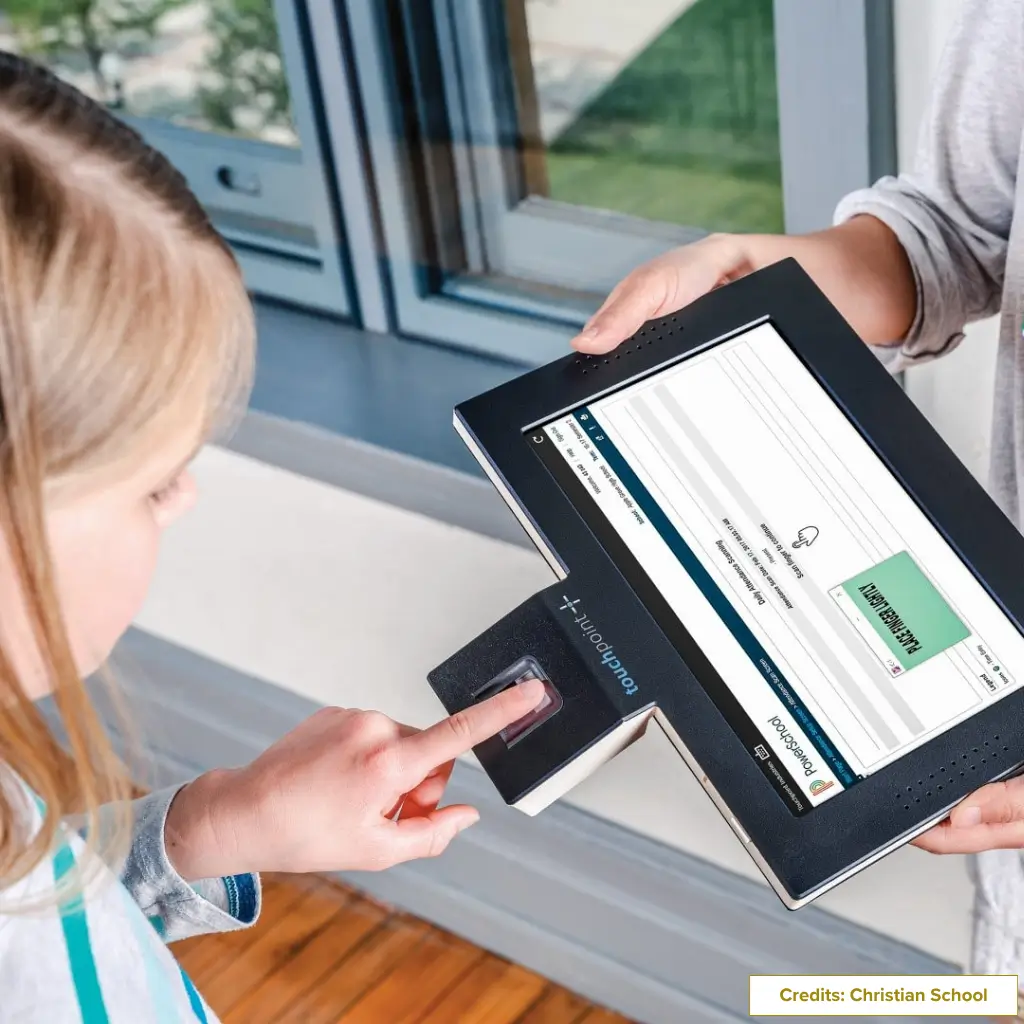
Biometric payment systems authenticate identity based on physical characteristics. Instead of relying on ID cards or PINs, a student uses their fingerprint, facial features, or palm vein pattern to confirm their identity and complete a lunch transaction.
Standard biometric methods include:
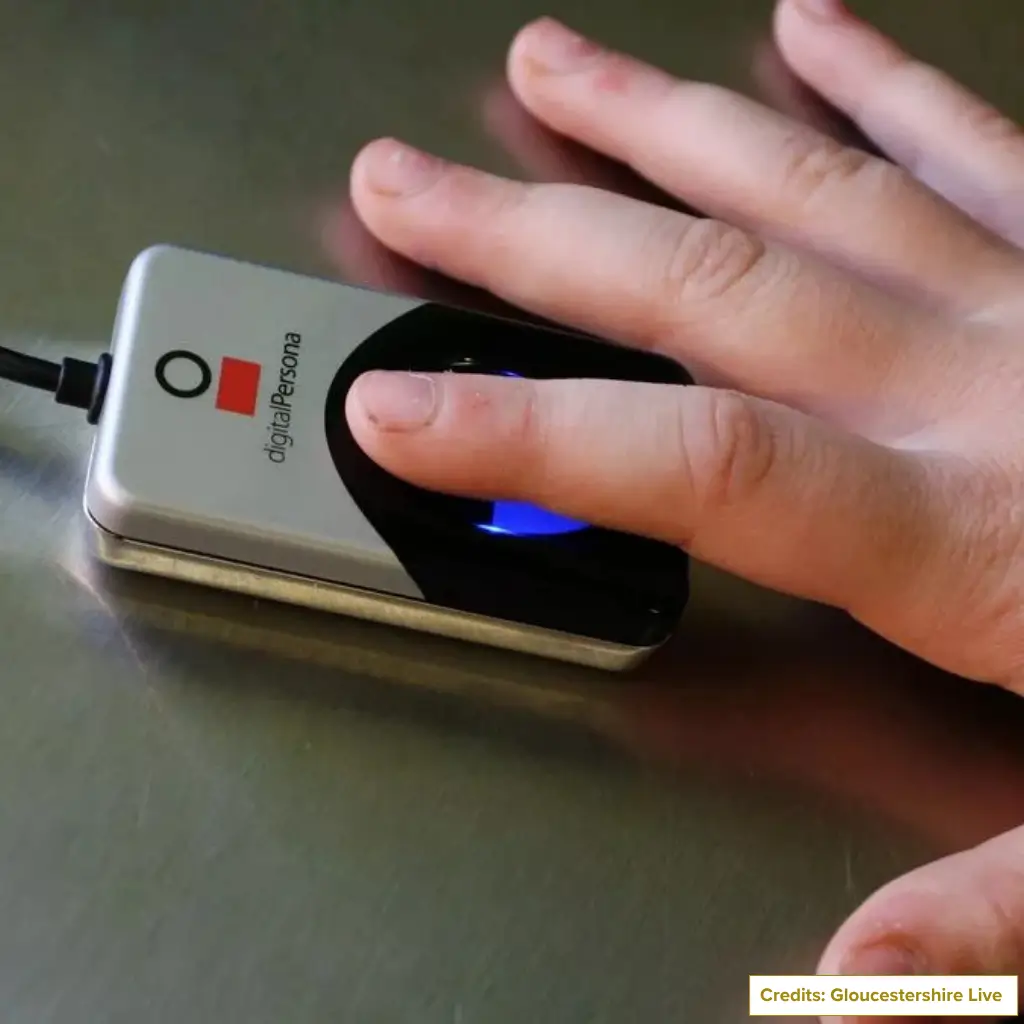
- Fingerprint scanning: Converts patterns into encrypted templates rather than storing the actual print.
- Facial recognition: Identifies unique facial markers using secure mathematical mapping.
- Palm/vein scanning: Utilizes infrared light to map vein patterns, providing a highly secure, contactless option.
Contrary to common misconceptions, biometric systems do not store images of fingerprints or faces. They store encrypted templates—essentially unreadable strings of data that cannot be reverse-engineered. This makes biometric data safer than many traditional forms of identification currently used in schools.
The process is simple:
- Students scan their biometric traits during enrollment.
- The system encrypts and stores a template.
- During lunch, the student scans again.
- The system instantly links the match to their account.
As more districts move away from outdated cafeteria processes and explore emerging technologies—because, unlike school cafeterias of the 50s and 90s, today’s schools are embracing technological change—biometric payments are becoming a natural part of the modernization landscape. We regularly guide schools through evaluating whether this kind of system aligns with their goals, operational needs, and community expectations.
Why Biometric Systems Appeal to Schools
Schools are increasingly drawn to biometric systems because the benefits go well beyond novelty.
1. Faster Lunch Lines and More Time to Eat
A biometric scan takes seconds. In many schools, this efficiency translates into significantly shorter wait times and more actual eating time for students. This is particularly important for elementary cafeteria kids, who often need more time and support during meals.
By designing cafeteria flow that pairs seamlessly with biometric payment stations, we at ICC help schools create environments where speed supports nutrition, wellness, and overall student satisfaction.
2. Eliminates Lost Cards and Forgotten PINs
Students lose things—it’s part of childhood. But when IDs or money are forgotten, students can feel stress or embarrassment. Biometrics eliminates that friction. This ensures that no student goes without lunch due to a misplaced item, and it removes a significant operational burden from staff.
This type of reliability is one reason we often incorporate biometric-friendly layouts into the cafeteria planning process.
3. More Accurate Billing and Reduced Administrative Errors
Biometrics link every transaction directly to the correct student. This eliminates accidental charges, prevents PIN misuse, and improves recordkeeping. For districts trying to strengthen school cafeteria organization, biometrics can make a measurable operational difference.
4. Enhanced Hygiene
As schools continue to prioritize student wellness and cafeteria food safety, touchless biometric options become increasingly appealing. Contact-free systems reduce surface contamination and eliminate the need for cash handling.
5. Reduced Stigma for Students on Meal Programs
Biometrics creates a uniform experience for all students. There is no badge, slip, or PIN indicating who is eligible for free or reduced meals. Just a simple scan—quick, private, and equal.
Schools committed to strengthening positive school culture find that biometrics support dignity and inclusion during mealtimes. This is a value our team supports deeply.
6. Supports Long-Term Modernization Goals
Schools are innovating rapidly. District leaders are inquiring about how spaces, workflows, and payment options can evolve in tandem with broader campus-wide changes. Biometric payments align well with such strategies and support the future of school cafeterias, especially when combined with touchless kiosks, intelligent scheduling, and updated POS systems.
Potential Drawbacks and Concerns
While biometrics offer powerful advantages, they also introduce valid concerns that schools must manage carefully.
1. Privacy Concerns
Families may be uneasy about the collection of biometric data. Even though biometrics store encrypted templates, not images, concerns around data breaches, surveillance, or misuse often arise.
Schools must communicate clearly how data is used, stored, and deleted.
2. Security, Compliance, and Legal Requirements
Biometric systems fall under strict federal and state protections, including FERPA and COPPA. Districts must ensure:
- Secure server environments
- Strict access protocols
- Encrypted storage
- Verified deletion procedures
3. Technical Limitations
Fingerprints can be hard to scan if a student’s hands are dirty or injured. Lighting can affect facial recognition. System outages require backup plans.
We design cafeteria layouts and workflows that ensure uninterrupted service—even when technology encounters challenges.
4. Cost Considerations
Biometric programs require investment in hardware, software, training, and maintenance. Some districts offset costs through federal grants and strategic cafeteria budgeting.
We assist schools in weighing the long-term operational savings against the upfront investment to determine actual value.
5. Cultural or Philosophical Resistance
Not all families welcome biometrics. Providing opt-out options is essential. At ICC, we help schools develop hybrid payment environments so no family feels forced into a system they do not support.
Best Practices for Safe Implementation
If your district is considering biometric payment systems, it is essential to approach implementation responsibly. Based on our extensive work supporting school transformation, here are the essentials you must follow:
1. Communicate Early and Transparently With Families
You must tell families exactly what data you collect, how you store it, and how it is protected.
You should:
- Explain clearly that you do not store fingerprint or facial images.
- Share your encryption standards.
- Provide written policies on data deletion and retention.
- Invite questions early, not after implementation.
This transparency fosters trust from the very beginning.
2. Always Offer Opt-Out Options
You should never require biometric participation. Provide PIN or ID alternatives that allow students to move through lines efficiently.
By protecting family choice, you maintain equity and community trust.
3. Protect Biometric Data With the Highest Security Standards
You must treat biometric templates as highly sensitive data.
This includes:
- End-to-end encryption
- Strict administrator access rights
- Secure servers
- Routine third-party audits
4. Establish Firm Retention and Deletion Policies
Before you collect a single scan, define:
- How long does the data remain stored
- When will it be deleted
- How will deletion be confirmed
You must communicate these policies in understandable language.
5. Pilot Before Implementing Districtwide
Begin with one school or one grade level.
A pilot helps you:
- Test hardware
- Evaluate line flow
- Observe student comfort
- Gather parent feedback
We often assist districts in designing pilot programs that reveal what’s working—and what needs adjustment.
6. Train Staff Until They Are Confident
You must ensure cafeteria staff understand:
- How to guide students
- How to troubleshoot scanners
- How to support opt-out students
- How to maintain privacy and professionalism
Well-trained staff are critical to success.
7. Select Vendors Who Prioritize Privacy and Education
You should work only with vendors who provide clear documentation, transparent security protocols, and extensive experience in the education sector.
How Biometric Payments Influence Cafeteria Design and Operations
Adopting biometrics affects not just technology but also layout, workflow, and daily operations.
1. Hardware Placement
Scanners or cameras must be placed:
- Away from glare
- At accessible heights
- Close to POS systems
- Near reliable power and data
We design cafeteria environments so biometric stations support—not disrupt—flow.
2. Traffic Flow and Queuing
Biometrics only speed up lines if your layout is designed to support them.
We help schools establish:
- Logical queuing patterns
- Clear entry and exit points
- Space for younger students
- Adequate supervision views
These adjustments help maximize throughput and minimize bottlenecks.
3. Integration With POS Systems
Your POS system must sync seamlessly with biometric stations.
This integration can also support compliance, allergy monitoring, and safe handling of food allergens.
4. Expanding Design Possibilities
Modern cafeterias now offer a range of flexible options, from grab-and-go stations to indoor-outdoor models.
Many schools are using biometrics in conjunction with upgraded outdoor school cafeteria areas and redesigned serving lines to enhance the overall impact of school cafeterias on student life.
At ICC, we often integrate biometrics into multi-functional cafeteria environments that support current needs and future upgrades.
How We at ICC Lead the Way in Responsible Technology Integration
As a trusted partner to schools nationwide, ICC is committed to integrating technology responsibly and designing cafeterias that overwhelm the student experience.
— Our Design Expertise
We design:
- Flow-optimized serving lines
- Scalable technology infrastructure
- Age-appropriate accessibility
- Flexible layouts for multiple payment methods
Our work is grounded in efficiency, safety, and long-term value.
— Our Technology Integration Leadership
We help districts:
- Evaluate readiness
- Assess vendors
- Ensure privacy compliance
- Develop implementation roadmaps
Our approach reduces risk and increases confidence.
— Our Future-Ready Cafeteria Solutions
Whether supporting districtwide campaigns or enhancing private school cafeterias, we help schools:
- Implement hybrid payment models
- Upgrade POS systems
- Prepare for evolving needs
- Improve student experiences
Every project aligns with responsible advancement—never technology for its own sake.
Should Your School Adopt Biometric Payments? Key Takeaways
Biometric payments offer powerful benefits, but only when implemented thoughtfully and strategically.
- They speed up service, reduce stress, and help in reducing food waste by giving students more time to eat.
- They protect privacy, dignity, and equity when implemented correctly.
- They require strong data protection and clear communication.
- They work best when paired with efficient layouts, workflows, and hybrid payment options.
In essence, biometric systems can transform the cafeteria experience but only when adopted with care, transparency, and expert support.
If your district is exploring cafeteria redesign or responsible technology integration, contact us TODAY! Our team specializes in building future-ready cafeteria environments that prioritize students, operations, and long-term value.
FAQs
What is a biometric payment in school cafeterias?
It’s a system where students pay using fingerprints, face scans, or other biometric features instead of cash or cards.
What types of biometric systems are used in school cafeterias?
Common ones include fingerprint scanners, facial recognition, and sometimes palm scanning.
Is biometric payment expensive?
There is an initial setup cost, but it may save time and reduce administrative work long-term.