The menu is good, the food is well prepared, and students are still walking past the serving line. School nutrition directors know this feeling and it is not a good one. School lunch participation numbers are not where they need to be and the answer does not seem obvious. That’s because the problem is rarely the food itself and instead how the food is presented and how the entire serving environment communicates value to students before they ever take a bite.
Today’s students are more visually influenced than ever. From social media to everyday digital exposure, they are used to food and environments that are exciting, colorful, and worth engaging with. That expectation does not disappear when they walk into a cafeteria. In fact it becomes more important, especially when school nutrition programs are working hard to increase school lunch participation, meal counts, and protect program budgets.
You’ll notice something almost immediately. Decisions happen in seconds, often before a single bite is taken.
At Ingenious Culinary Concepts, we’ve worked closely with school nutrition programs across the U.S., and one thing consistently stands out: when the cafeteria environment communicates quality, care and excitement, students respond. They are more curious, more willing to try something new, and far more likely to finish what they take. That directly impacts school lunch participation numbers, USDA reimbursement, and the sustainability of the entire program.
The best part? You don’t need a massive overhaul or budget to make this happen. Small, intentional changes in how food is presented and how the surrounding environment supports that presentation can completely shift how students experience meals and improve school lunch participation.
Why Presentation Matters for School Lunch Participation
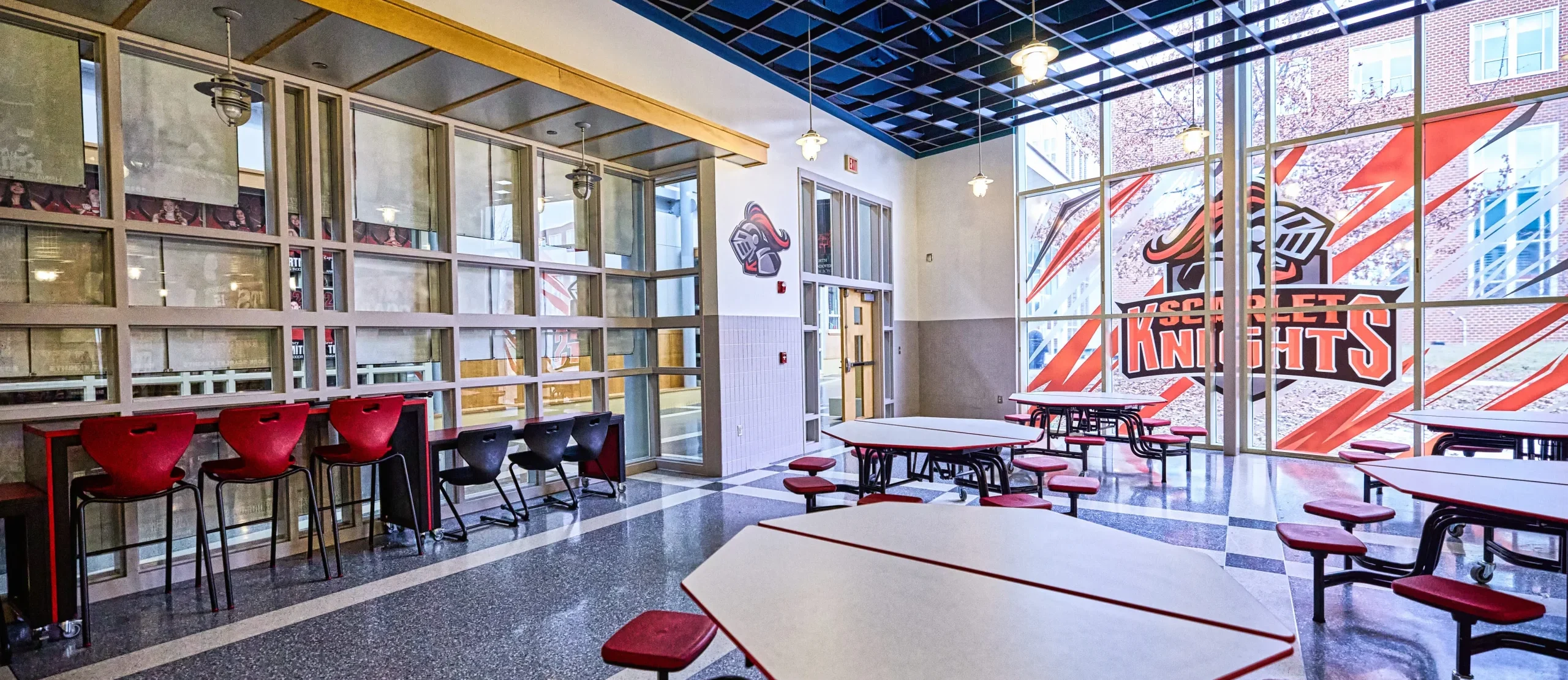
School cafeterias are no longer just service points, they are environments. Schools that treat the cafeteria as a thoughtfully designed space consistently see better engagement, reduced food waste, and improved school lunch participation rates. That is why at ICC presentation is always treated as part of a bigger strategy; one that connects design, environment, and student behavior.
1. Transform Your School Serving Line Into a Visual Experience
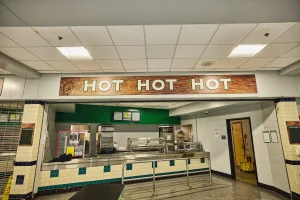
The serving line is your single greatest opportunity to influence student food choices. When it is designed well, it guides students visually and makes every food option look like it is worth choosing. When it is poorly organized, it creates confusion and reduces interest before students even see what is available.
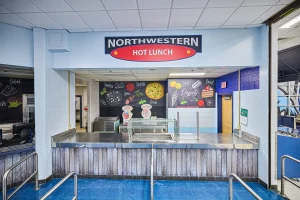
Custom graphics applied to counter fronts completely transform the visual experience of a serving line. Instead of industrial kitchen surfaces, students encounter a polished retail-style environment that communicates quality before a single tray is picked up. Station branding, giving each serving area a distinct visual identity, creates the kind of restaurant style experience that makes school lunch feel like a destination rather than an obligation.
An effective serving line keeps food visible and accessible, highlights colors and variety, stays clean and well maintained, and is refilled regularly to maintain visual appeal throughout the entire service period.
2. Use Color and Variety to Make Meals More Attractive
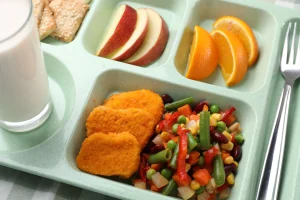
Visual appeal comes from contract and balance! Meals that include a mix of colors and textures naturally stand out and communicate freshness and quality. Bright vegetables, fresh fruits, and varied textures make dishes look more exciting and appetizing, even before the student decides whether they want to try something.
Pair crunchy elements with softer ones, combine vibrant colors with neutral bases, and add variety in shapes and presentation styles wherever possible. This approach is particularly effective for elementary school cafeterias where visual simulation plays a major role in encouraging students to try new items and engage more fully with the meal program.
The environment surrounding the food amplifies this effect. When the walls, serving lines graphics, and overall cafeteria design also incorporate intentional color, chosen based on the psychology of how color affects student mood and appetite, the food itself benefits from that visual context.
3. Brand Your Serving Stations
One of the most impactful and underleveraged school cafeteria engagement ideas is micro-branding individual serving stations. Replacing generic labels with restaurant-style concept names, immediately changes how students perceive and engage with the food being served.
This strategy works because it borrows from the visual language students already respond to outside of school. A branded station with custom graphics, a distinct name, and a cohesive visual identity communicates that the food being served there is worth choosing. It creates excitement and anticipation around specific menu items in a way that a generic serving line simply cannot and aids in improving school lunch participation.
4. Use Clear And Descriptive Food Labels
Presentation isn’t just visual. It’s also about how food is described.
Labels like “Vegetables” or “Rice” feel basic and uninspiring. But a more descriptive name like “Steamed Rice with Garden Vegetables” instantly makes the dish sound more appealing and worth trying.
Clear labeling also builds trust. Students are more confident trying new foods when they know exactly what they’re choosing.
A few improvements can go a long way:
- Use clean, readable fonts
- Keep label placement consistent
- Maintain a neat and organized display
Across school nutrition programs, we’ve seen labeling upgrades significantly improve engagement and school lunch participation, particularly for students who are hesitant to try unfamiliar items.
Pairing descriptive labels with custom signage and wayfinding graphics creates a cohesive visual system that guides students through the serving experience with clarity and confidence.
5. Keep the Serving Environment Clean and Organized
Even the most beautifully designed cafeteria loses its impact if the serving environment looks cluttered, worn, or neglected during service. Maintaining a clean, organized serving area throughout the entire lunch period is one of the most cost-effective presentation improvements any school nutrition program can make.
Refill trays before they look depleted, wipe down surfaces between service rushes, and ensure signage and graphics remain clearly visible and undamaged. The serving environment should look as intentional and welcoming at the end of the lunch period as it did at the beginning.
This operational discipline also communicates something important to students, that the people serving them take pride in the space and in the food. That perception of care directly influences how students value and engage with the meal program and aids in improving school lunch participation.
6. Serve Smaller Batches More Frequently
Presentation doesn’t end once the food is prepared; it must be maintained.
Food that sits too long can quickly lose its appeal. Dry textures, faded colors, and soggy components all reduce visual quality.
Maintaining freshness involves:
- Serving smaller batches more frequently
- Ensuring proper temperature control
- Minimizing exposure to the air
These operational adjustments are a key part of creating healthy school cafeterias, where both nutrition and presentation are preserved.
Bringing it All Together
Improving school cafeteria presentation is not about adding complexity or expense to an already demanding job. It is about making smarter and more intentional choices in how food is arranged, displayed, and served, and how the environment surrounding that food communicates quality and care to every student who walks through the door.
From our experience working with school nutrition programs across the country, the cafeterias that see the strongest school lunch participation results are the ones that treat presentation as part of their overall program strategy, not an afterthought.
If you’re ready to see what a more intentional cafeteria environment could do for your program’s participation numbers, Ingenious Culinary Concepts is here to help. Schedule your free Cafeteria Vision Session today and let Kern Halls walk through your cafeteria with over 20 years of experience behind every observation.